
Vortex: is it a mixer, shaker or agitator?
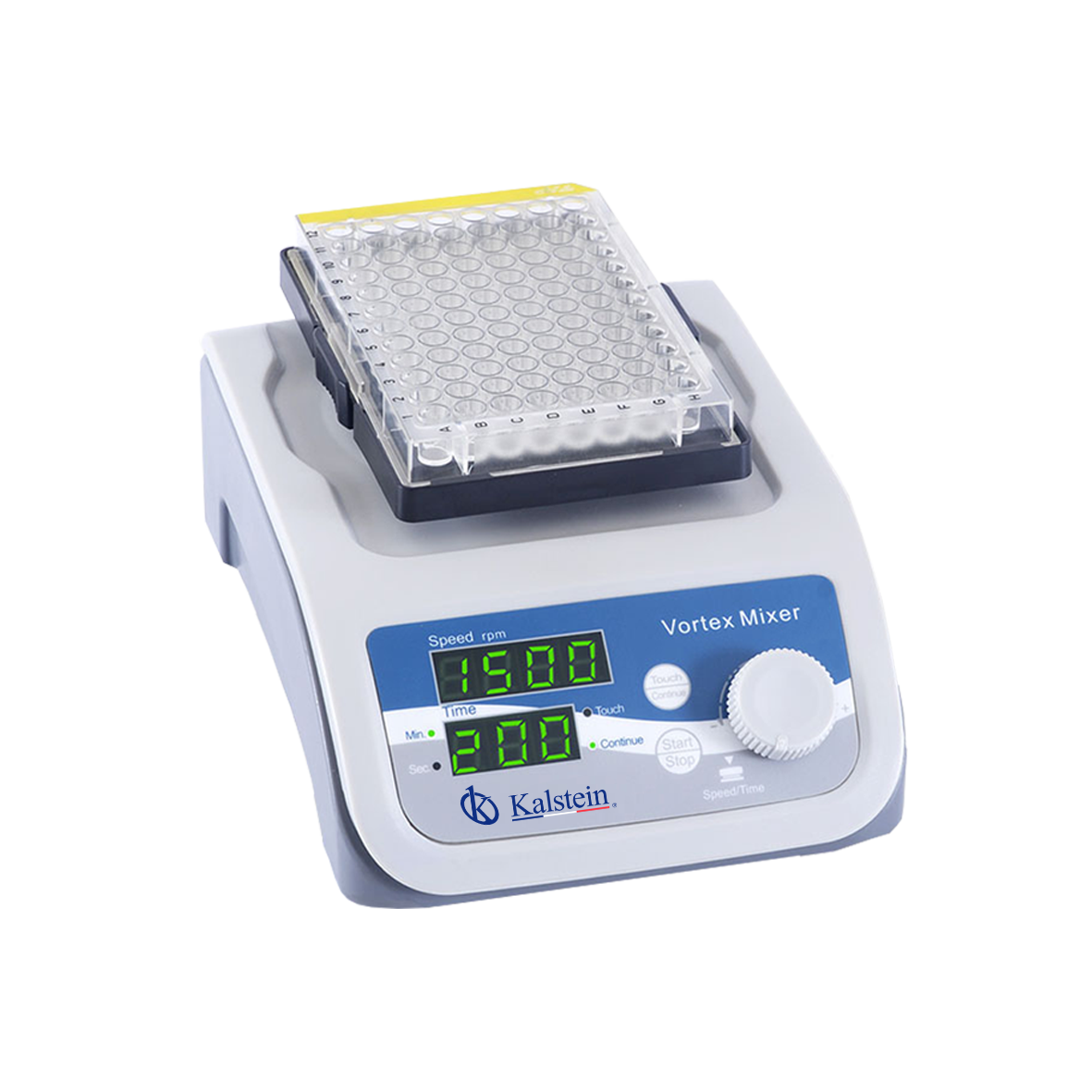
Un vórtex es un tipo de agitador también llamado mezclador de vórtice, éste es un dispositivo simple que se usa comúnmente en los laboratorios para agitar pequeños tubos o frascos de líquido. Se compone de un motor eléctrico con el eje de transmisión orientado verticalmente y unido a un trozo de goma o caucho montado en forma de copa, ligeramente excéntrico.
How does a phase contrast microscope work?
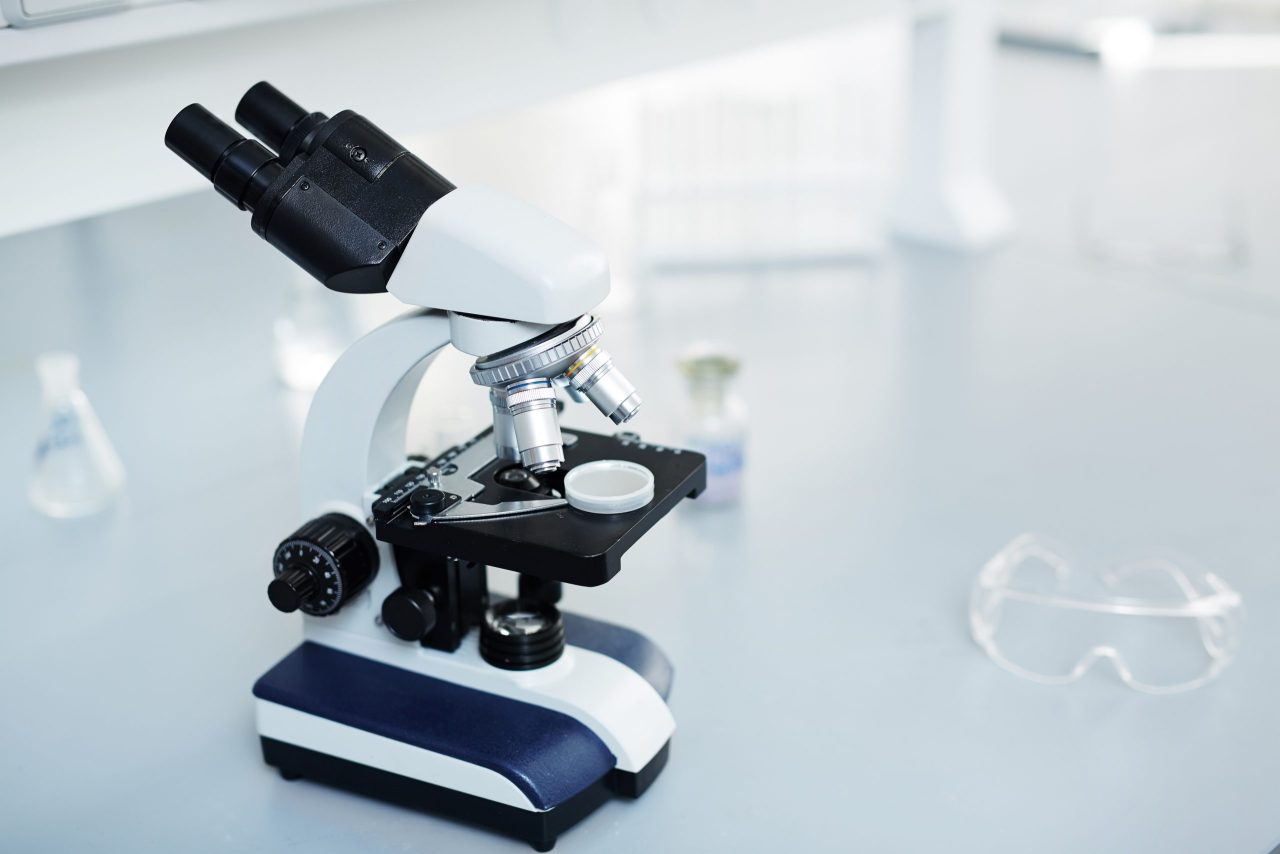
The phase contrast microscope is a type of microscope that allows you to observe live samples without using staining techniques. This microscope is based on the existence of a phase difference between the different light waves that pass through the sample to generate the image of the observation.
How does immersion oil work?
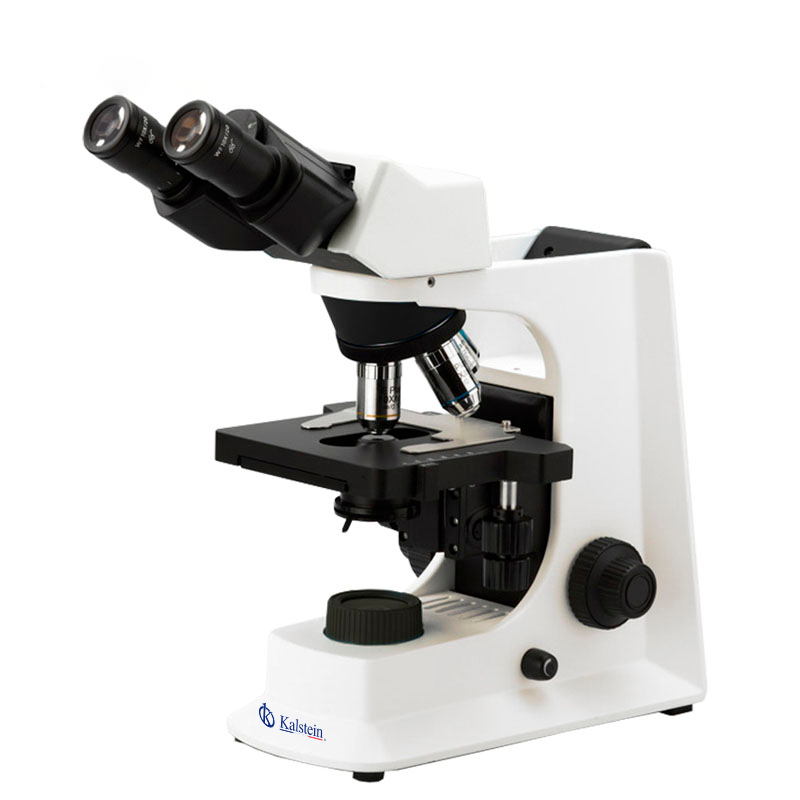
Optical microscopes use two basic types of objectives: dry objectives and immersion objectives. These two types of objectives differ depending on the medium between the specimen and the objective lens. In the case of dry objectives, there is no medium between the sample and the objective other than air. Immersion objectives, on the other hand, are designed to observe the sample through a layer of immersion medium that normally consists of oil. This means that just the right amount of oil needs to be placed between the coverslip that protects the specimen and the objective lens.
Centrifugation: RPM vs. G Force
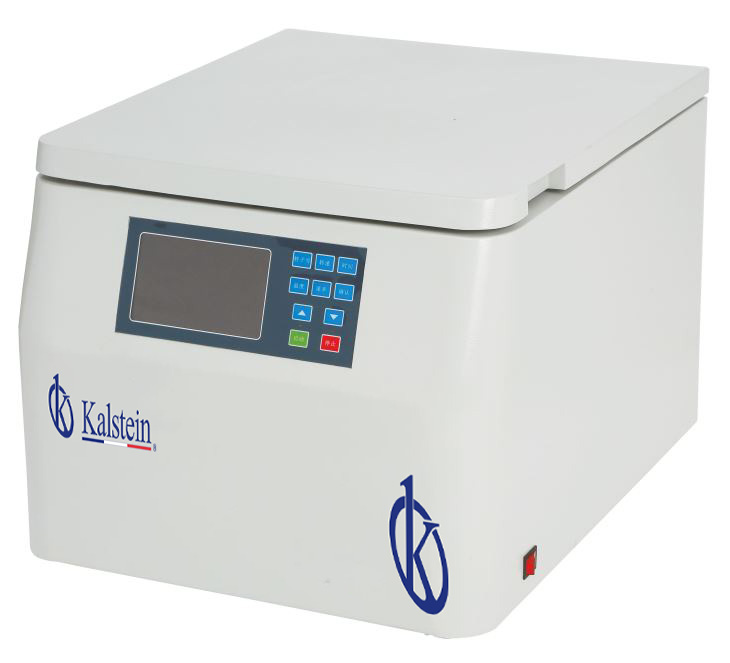
Centrifugation is one of the most important and widely applied research techniques in biochemistry, cell and molecular biology, and medicine. Today’s research and clinical applications depend on the isolation of cells, subcellular organelles, and macromolecules, generally high throughput. A centrifuge uses centrifugal force (g-force) to isolate suspended particles from the surrounding medium either in batches or as a continuous flow.
Main applications of a CO2 incubator
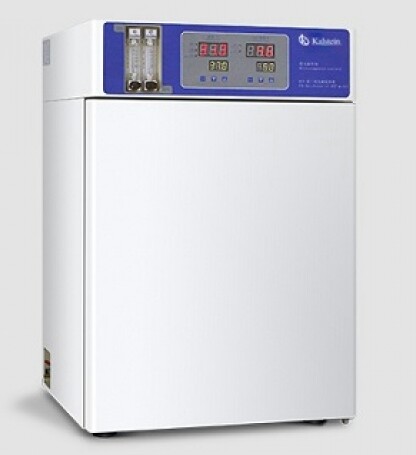
A CO2 incubator is a laboratory equipment also called a gasification incubator, where the development of cell and tissue cultures is guaranteed by creating a natural atmosphere. This culture of living organisms in vitro is one of the main applications of CO2 incubators. That is why these devices are used mainly in medical research and in the pharmaceutical industry in:
Centrifuge: rotor types
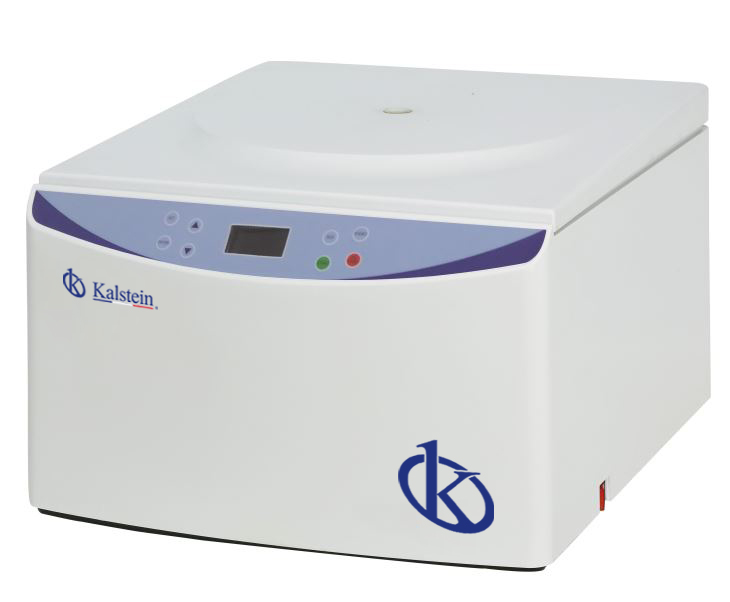
The centrifuge is a laboratory equipment that generates rotational movements, it has the objective of separating the components that constitute a substance. Today there is a diversity of centrifuges that have different objectives, regardless of the type of research or industry. Depending on the type of centrifuge, each one will have different operation and characteristics (type of rotor and type of sample holder tube).
What is a high speed centrifuge?
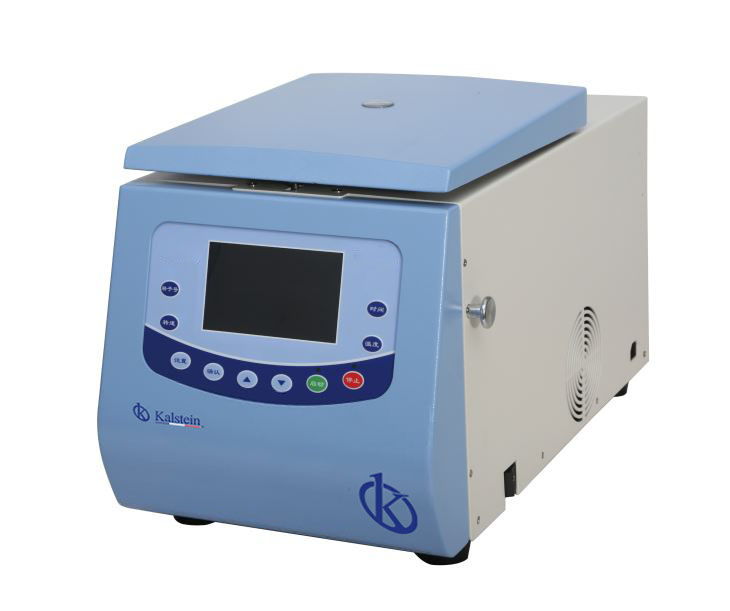
High-speed centrifugation is an irreplaceable tool for the isolation and characterization of multiple biological structures: from biomolecules, such as nucleic acids and proteins, to cellular organelles and viruses.
The Centrifuge: an Essential Element
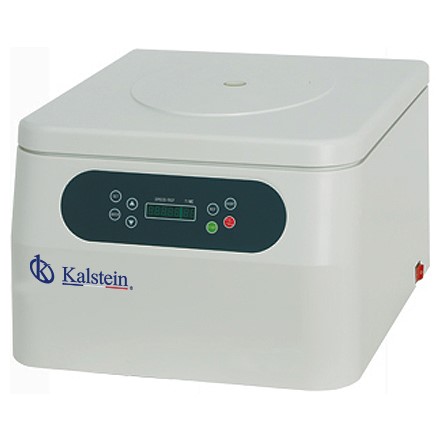
A centrifuge is an apparatus that applies a sustained centrifugal force (that is, a force produced by rotation) to impel matter out of the center of rotation. This principle is used to separate particles in a liquid medium by sedimentation. In general, the centrifuge is used in laboratories as a process of separating the sedimentation of liquid and solid components.
What is a variable volume micropipette?
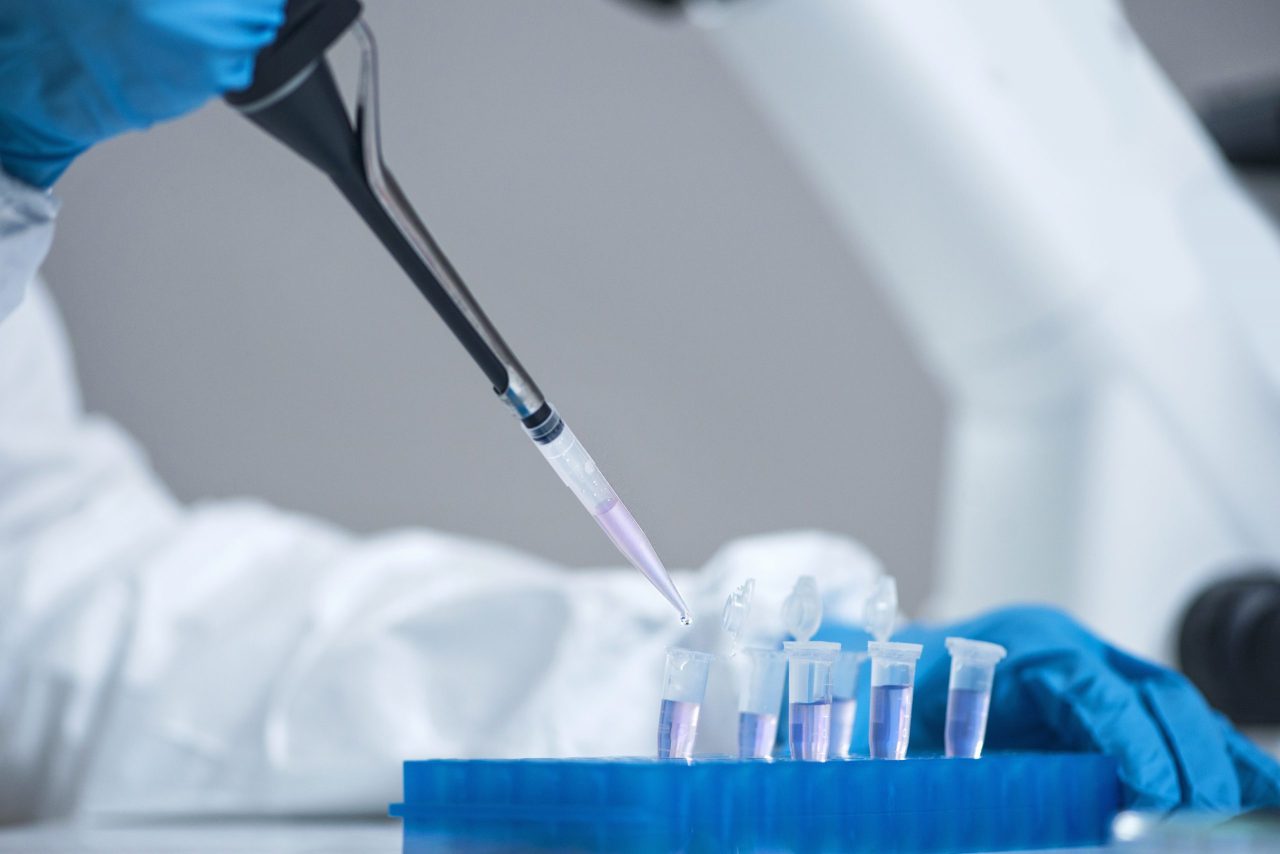
Variable volume micropipettes are the ideal precision instrument for the liquid measurement needs of clinical testing and quality control laboratories. A micropipette is a laboratory device used to absorb and transfer small volumes of liquids.
How to keep your spectrophotometer in good condition?
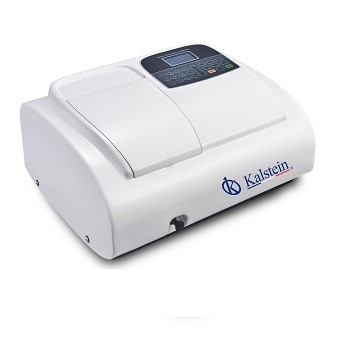
The spectrophotometer is one of the main diagnostic and research instruments developed by humans. It is used in the laboratory in order to determine the concentration of a substance in a solution, thus allowing quantitative analysis.