
What is a microtome for?
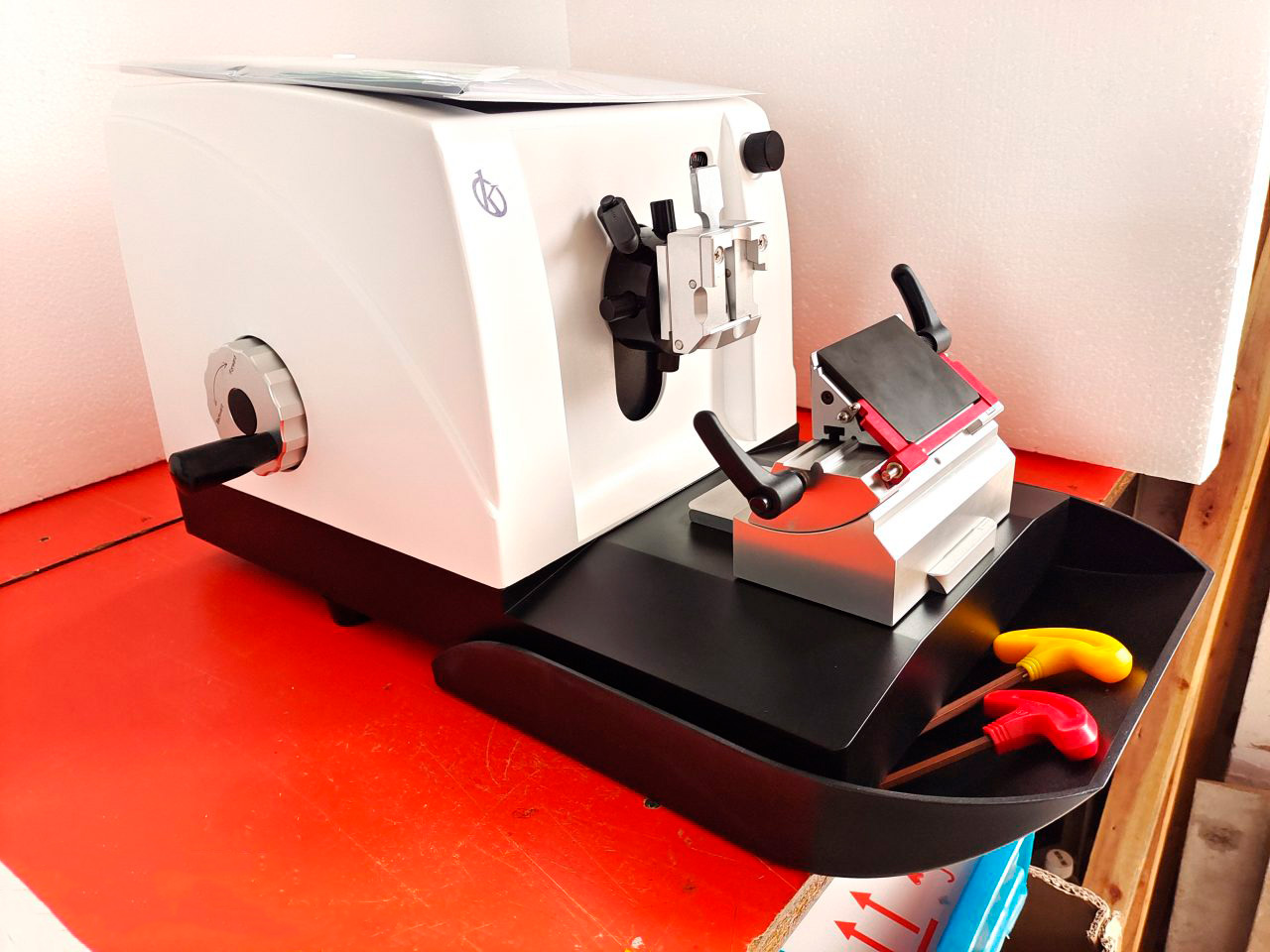
Microtomy is the discipline that deals with obtaining fine serial sections from tissues included in paraffin blocks for their subsequent study under optical and / or electronic microscopy, which makes it one of the basic pillars of procedural techniques of Pathological anatomy.
pH meter vs. dissolved oxygen meter
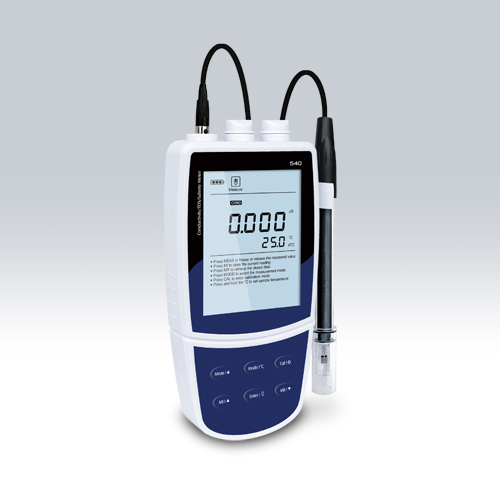
The pH is the unit of measurement that describes the degree of acidity or alkalinity and is measured on a scale ranging from 0 to 14. An approximate indication of pH can be obtained using pH indicators or tapes, which change color depending on the variation of the pH level. But these indicators have limitations in terms of accuracy and can be difficult to interpret correctly in dark or colorful samples.
How does a planochromatic microscope work?
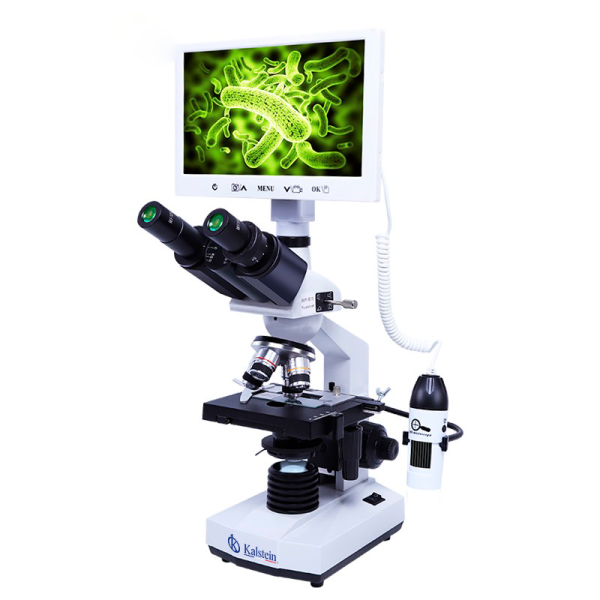
The objective of a microscope is the most important and complex element of the light microscope. It is important because the objective is where most of the magnification provided by the microscope occurs. Its complexity lies in the fact that to fulfill its function you need different lenses of high quality and precision.
What is a hematocrit centrifuge?
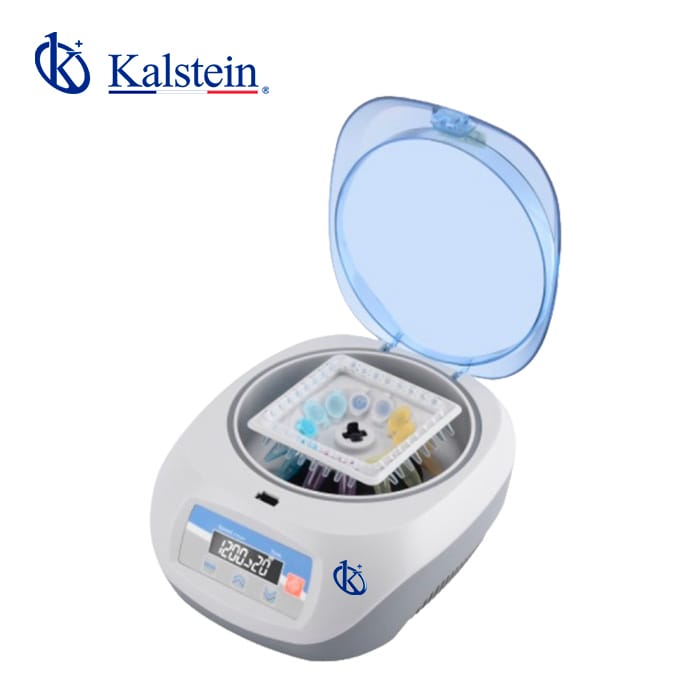
A centrifuge for hematocrit is specialized equipment that allows to obtain the compact ratio of the volume of erythrocytes in the blood. In less than seven minutes, this machine allows the erythrocytes to reach their maximum compaction density, thus knowing their hematocrit level and also having cell-free plasma used later in other analyzes.
What is an ultra water purifier?
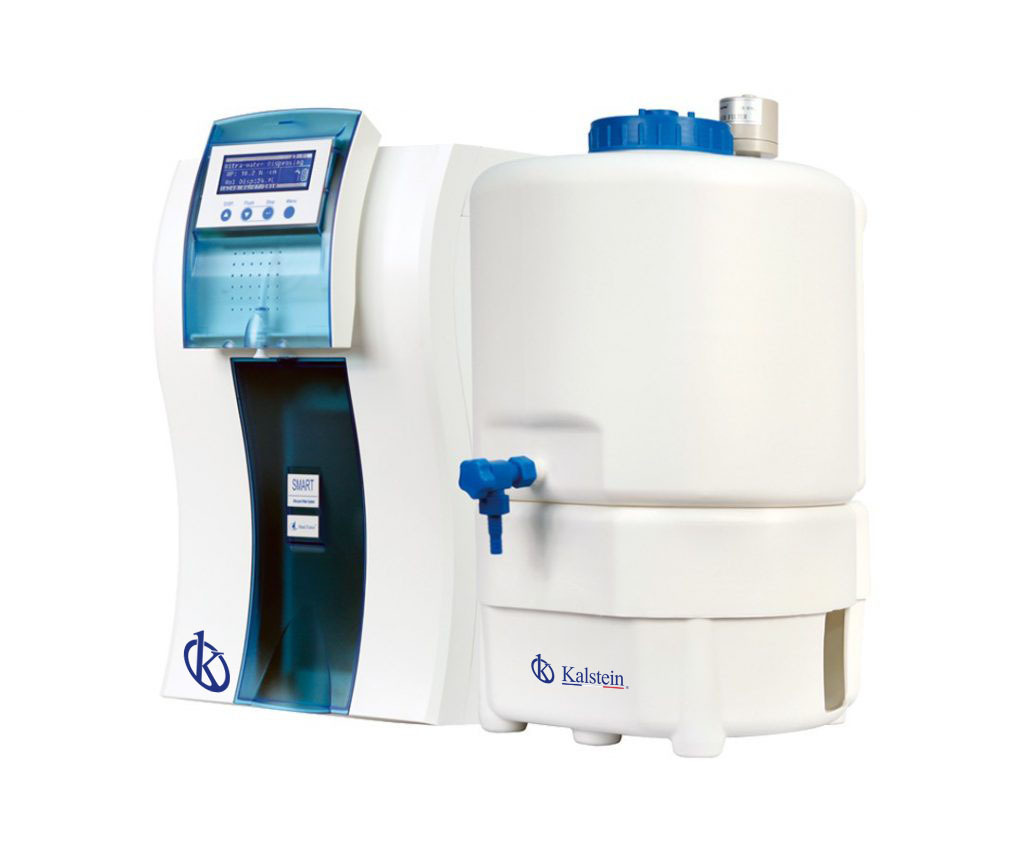
It is a laboratory water ultra-purification equipment. This device is structured by cutting-edge technologies for water purification, in accordance with internationally required specifications. This equipment is intended to obtain water of the highest quality for use in laboratories, food industries, pharmaceuticals and in any other place where it is necessary to use pure treated water.
The Microscope and its evolution
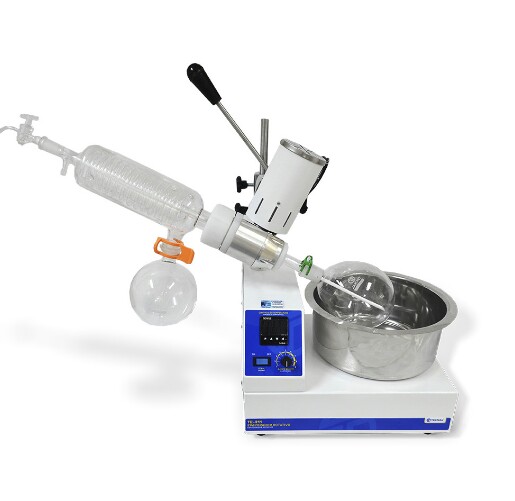
The first great advances in science and in particular in the biological sciences are due in part to the invention of the optical microscope, when at the end of the seventeenth century Anton van Leeuwenhoek, carving lenses, was able to appreciate the world that due to its small size was impossible see with the naked eye: the microscopic world.
What is a centrifuge?
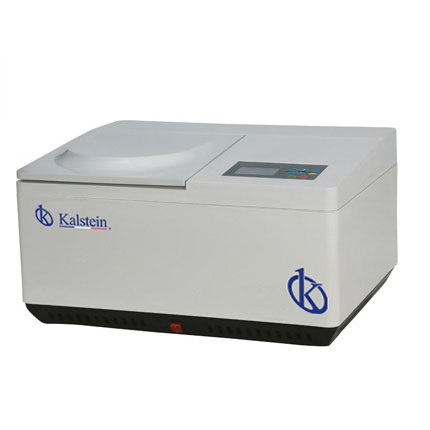
Centrifugation is a mechanism for separating mixtures (in particular, those made up of solids and liquids of different densities) through their exposure to a rotating force of a certain intensity.
What is a laboratory Oven for?

The laboratory oven is an instrument used to dry and sterilize glass containers, which come from a laboratory wash. In other words, this cavity chamber, which will have a higher temperature than the ambient temperature, will remove all the moisture from the metal or glass container.
How does immersion oil work?
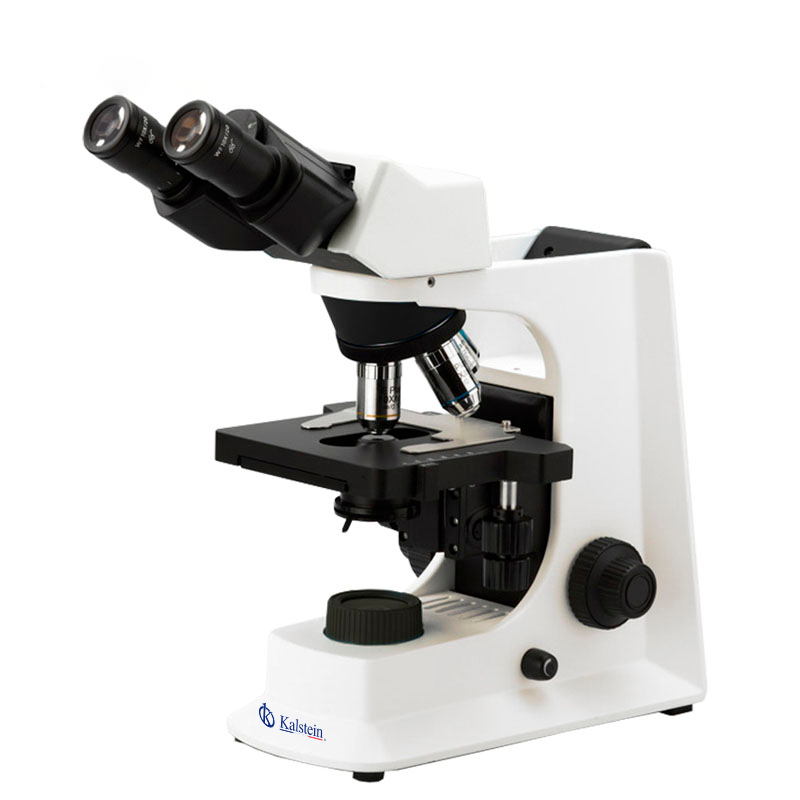
Optical microscopes use two basic types of objectives: dry objectives and immersion objectives. These two types of objectives differ depending on the medium between the specimen and the objective lens. In the case of dry objectives, there is no medium between the sample and the objective other than air. Immersion objectives, on the other hand, are designed to observe the sample through a layer of immersion medium that normally consists of oil. This means that just the right amount of oil needs to be placed between the coverslip that protects the specimen and the objective lens.
Centrifugation: RPM vs. G Force
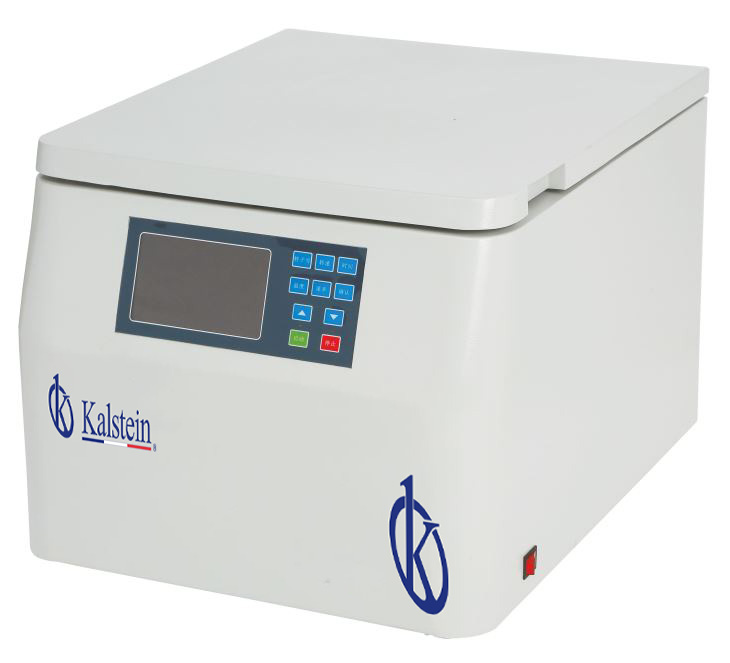
Centrifugation is one of the most important and widely applied research techniques in biochemistry, cell and molecular biology, and medicine. Today’s research and clinical applications depend on the isolation of cells, subcellular organelles, and macromolecules, generally high throughput. A centrifuge uses centrifugal force (g-force) to isolate suspended particles from the surrounding medium either in batches or as a continuous flow.