
Reverse osmosis and water purification
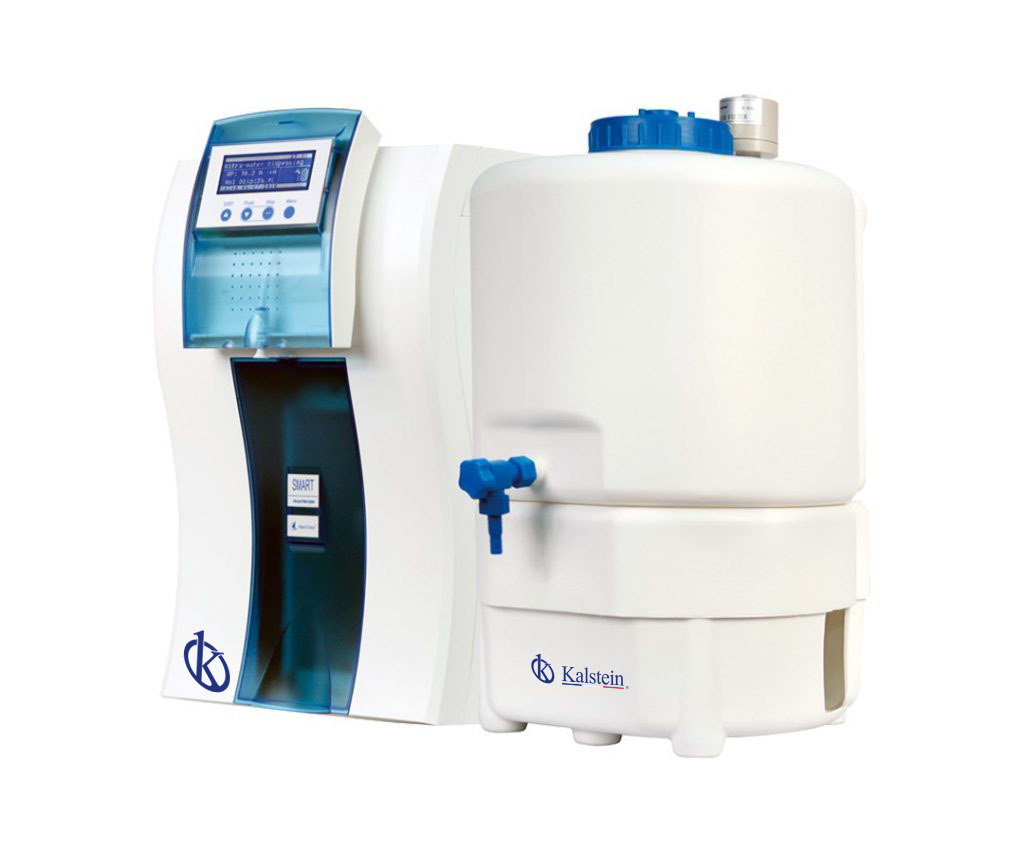
The purification of drinking water consists of a series of steps to which the water is subjected to eliminate waste (solid and mineral) and microorganisms from it in order to obtain water of greater purity and better quality for the consumer.
Electrophoresis: what are the necessary reagents?
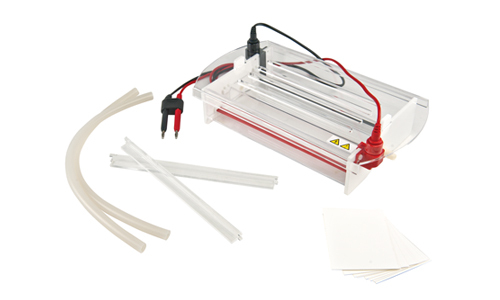
Electrophoresis is an analytical technique in which a controlled electric current is used in order to separate biomolecules according to their size to electric charge ratio, using a gelatinous matrix as a base.
Laboratory refrigerators and freezers, temperature ranges
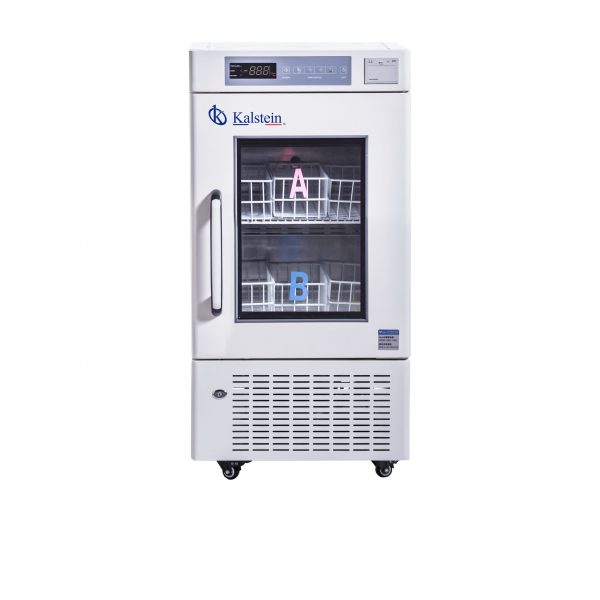
A laboratory refrigerator is a piece of equipment that allows to efficiently conserve all kinds of substances that are cooled in it, whether they are liquid, solid or homogeneous substances. Reason why it is considered essential equipment within the laboratory.
Electrophoresis Power Source
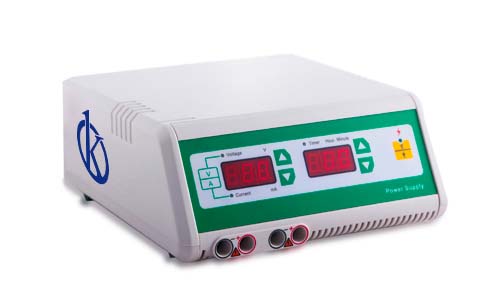
Electrophoresis is a basic method in the field of molecular biology for the analysis (separation, purification, preparation) of nucleic acids and proteins. The principle of electrophoresis consists in the migration of the molecules through a gel or another type of matrix of a porous nature, in which, by the action of an electric field, they will be separated according to their size or molecular weight, this is achieved thanks to the action of a power source for electrophoresis.
Ice maker: capacities
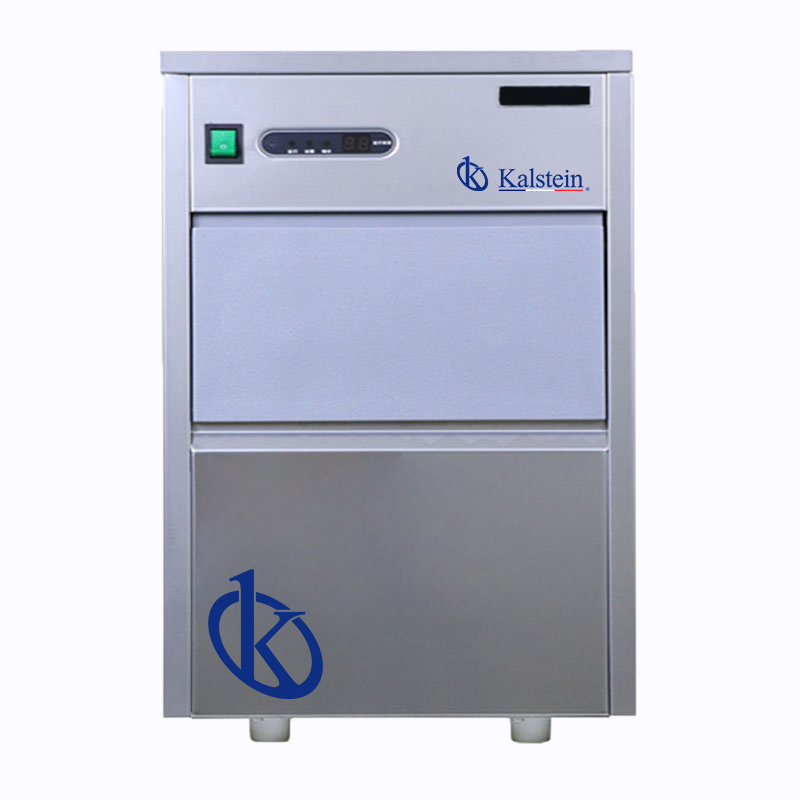
An ice maker is a device where water is poured into a tray that has a specific format to shape the ice that you want to create.
The tray freezes slowly and gradually in layers until the water freezes completely and creates the ice cubes. Once the correct temperature is reached, the tray heats up enough to allow the cubes to separate. The cubes are deposited in the storage tank.
Refractometer: What do they measure?
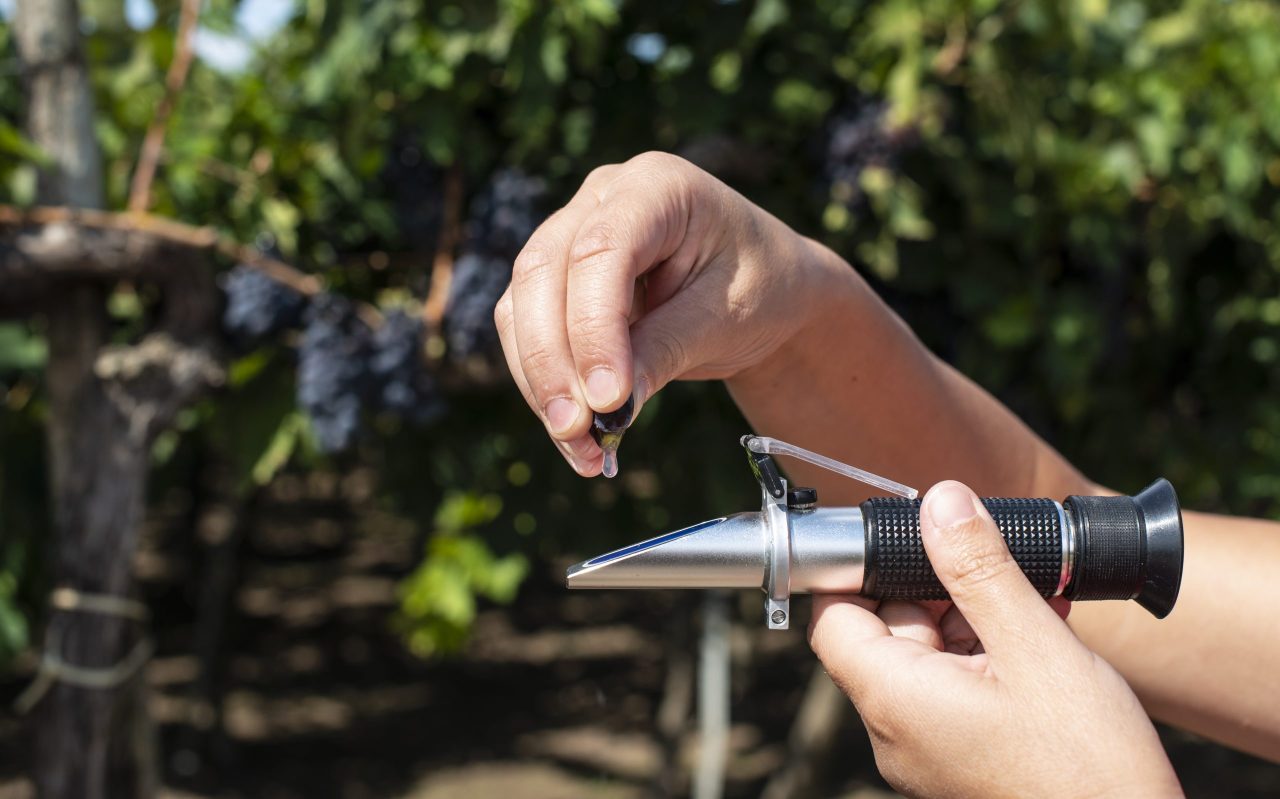
The refractometer is an optical device that serves to measure the percentage of soluble solids in a liquid solution, this instrument uses the physical principle of total refraction of light, which originates from the concentration and type of substance dissolved in a liquid solution.
Electrophoresis Run Power Sources
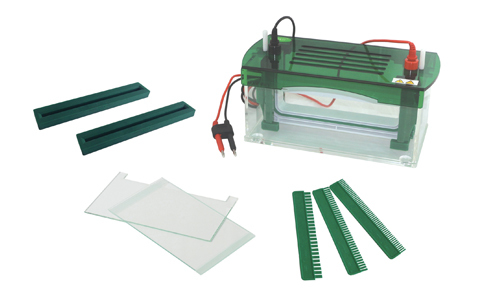
Electrophoresis in agarose or polyacrylamide gels is one of the methodologies most used in the laboratory in everything related to working with nucleic acids. The principle of electrophoresis consists in the migration of the molecules through a gel or another type of matrix of porous nature, in which, by the action of an electric field, they will be separated according to their size or molecular weight, this is achieved thanks to the action of a power source for electrophoresis, key equipment for the proper execution of this technique.
Autoclaves: steam generator
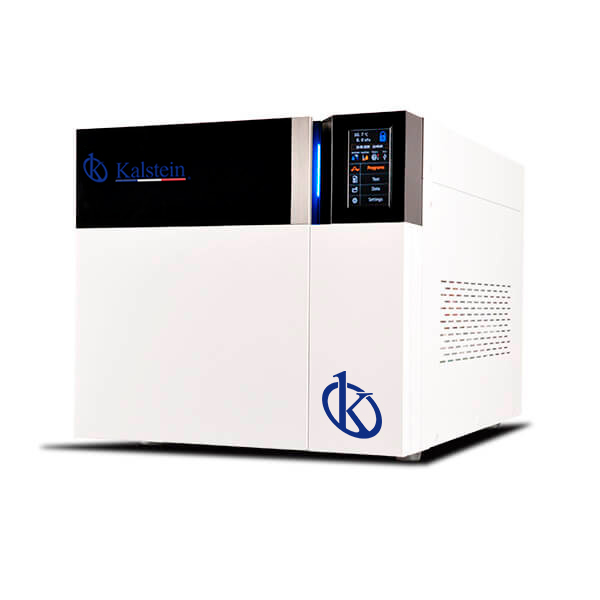
Sterilization is carried out mainly through autoclaves, which work with steam at high temperature, for this they require steam generators, which in turn work with water demineralized by reverse osmosis to produce said steam.
When to calibrate my spectrophotometer?
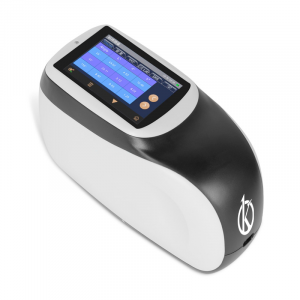
The spectrophotometer is a piece of equipment used in the laboratory in order to determine the concentration of a substance in a solution, thus allowing quantitative analysis to be carried out. Proper calibration of the spectrophotometer is a fundamental factor in obtaining an accurate and reliable measurement.
What is a hematology analyzer?
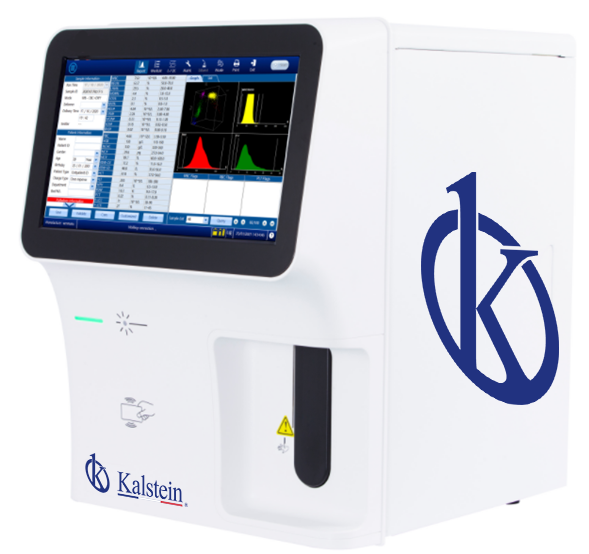
Hematology analyzers are equipment used to perform complete blood counts, or hemograms. They carry out quantitative and qualitative analyzes of blood elements: red blood cells, white blood cells, and platelets. They are mainly used in medical biology analysis laboratories or in hospitals with hematology services.