
Refractometer: What do they measure?
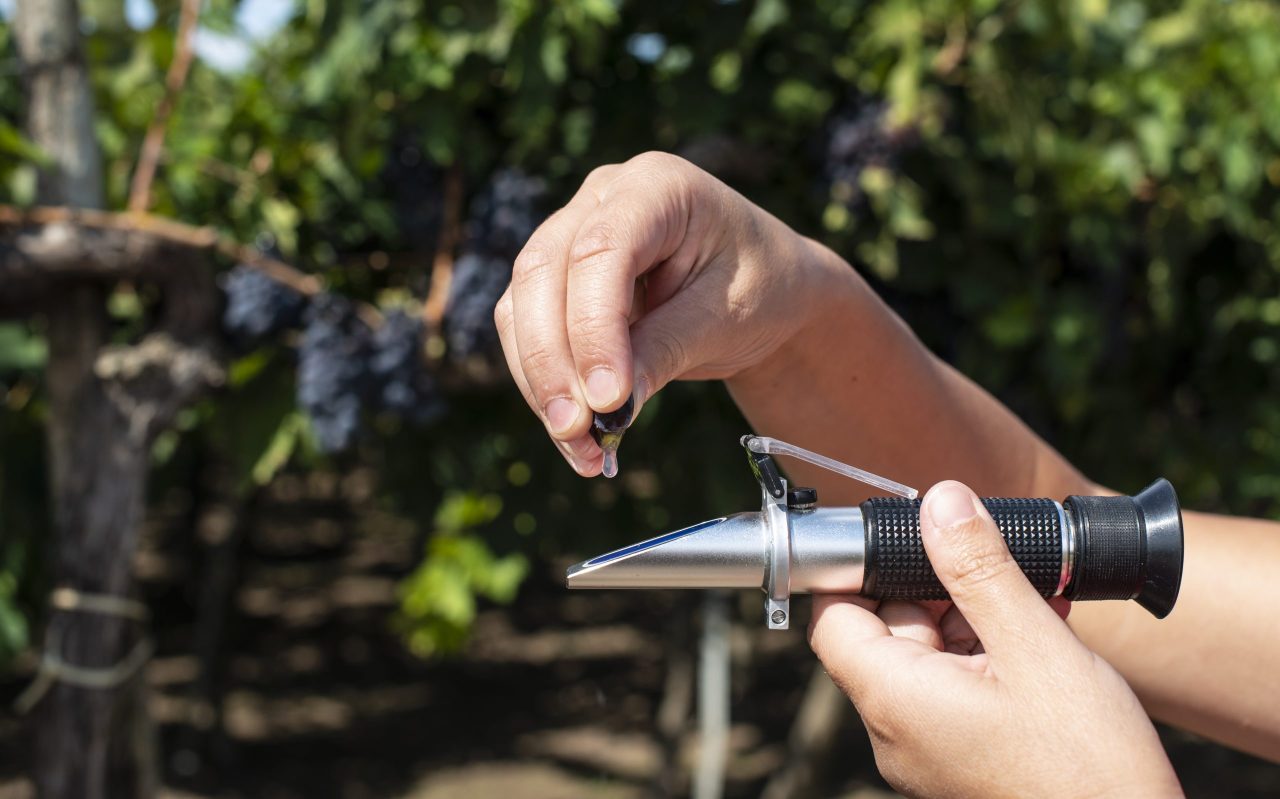
The refractometer is an optical device that serves to measure the percentage of soluble solids in a liquid solution, this instrument uses the physical principle of total refraction of light, which originates from the concentration and type of substance dissolved in a liquid solution.
Electrophoresis Run Power Sources
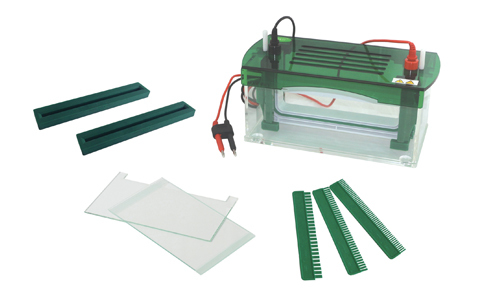
Electrophoresis in agarose or polyacrylamide gels is one of the methodologies most used in the laboratory in everything related to working with nucleic acids. The principle of electrophoresis consists in the migration of the molecules through a gel or another type of matrix of porous nature, in which, by the action of an electric field, they will be separated according to their size or molecular weight, this is achieved thanks to the action of a power source for electrophoresis, key equipment for the proper execution of this technique.
Autoclaves: steam generator
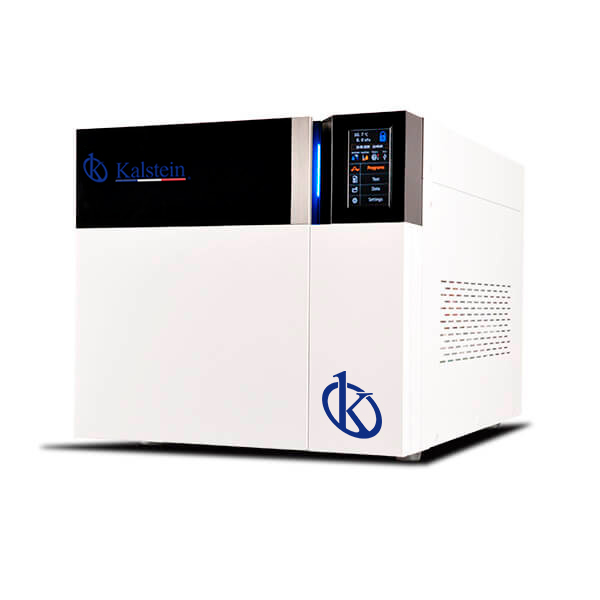
Sterilization is carried out mainly through autoclaves, which work with steam at high temperature, for this they require steam generators, which in turn work with water demineralized by reverse osmosis to produce said steam.
What is a laboratory water deionizer?
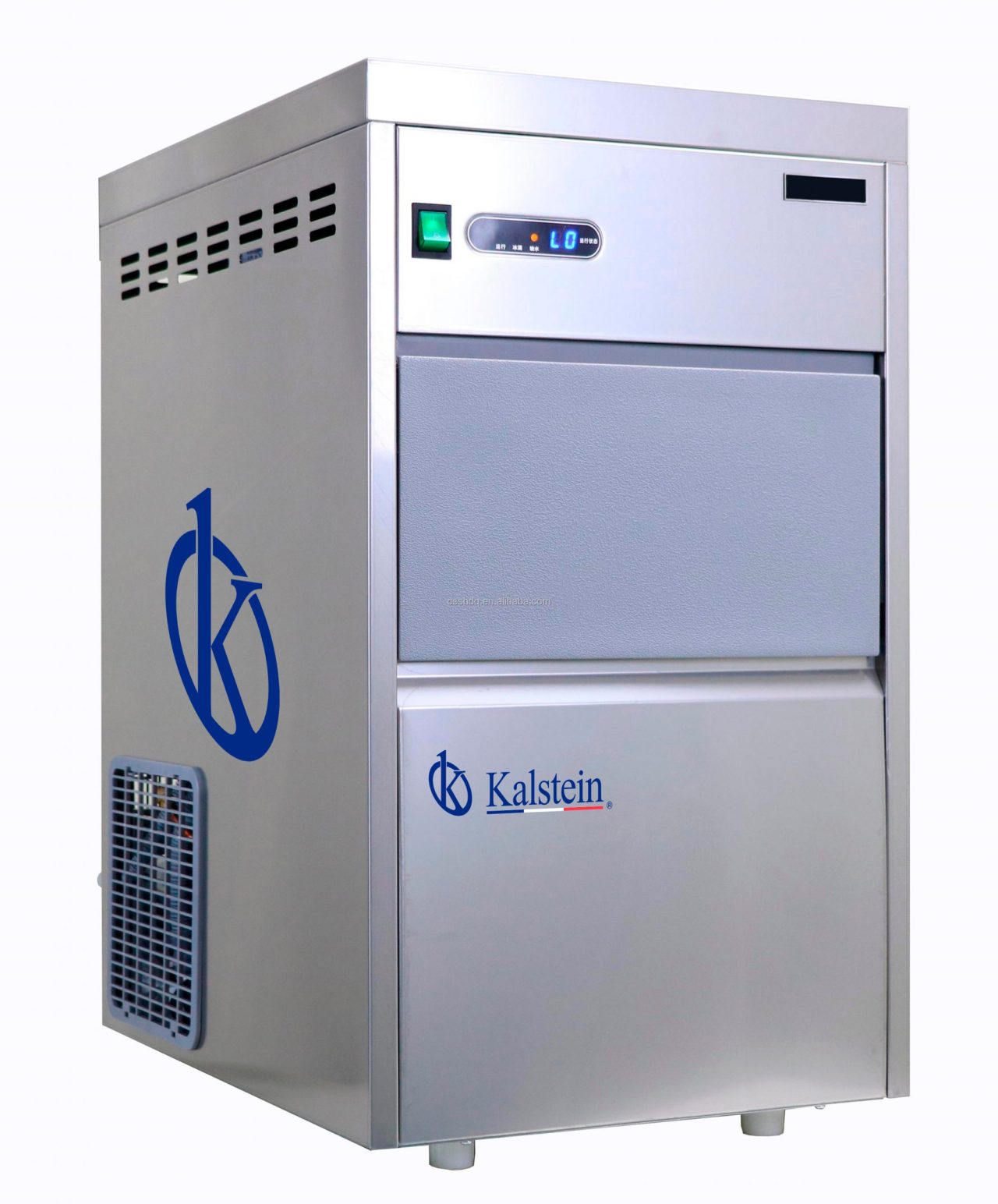
A water deionizer is a water purification equipment, with direct connection to the network and continuous flow, which performs a filtration of water through mixed bed resins by ion exchange. That is, the cation and anion exchange resins are intimately mixed and contained in a single pressure vessel. Resulting in that the quality of the water obtained from a mixed bed deionizer is appreciably high.
How does a laboratory centrifuge work?
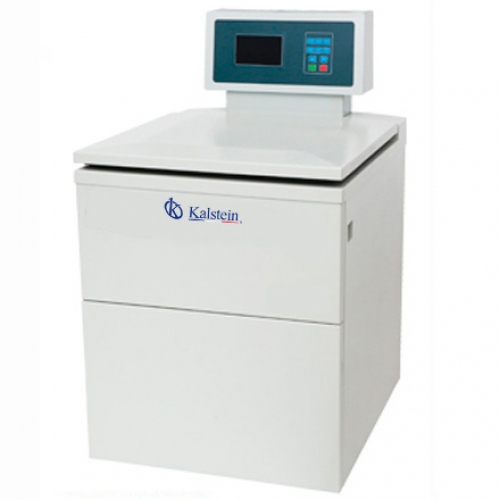
A centrifuge is a piece of equipment that separates particles from a homogeneous solution through rotational movement and centrifugal acceleration, causing sedimentation of its components.
Turbidimeter: What are its parts?
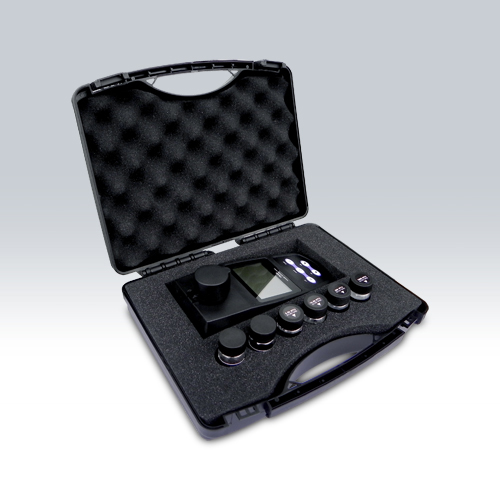
A turbidimeter is a device used to measure the turbidity of a liquid. This instrument is capable of measuring the size and concentration of particles in a suspension by diffusing light in a tube. That is, a turbidimeter determines how cloudy a liquid is. This equipment consists of a light source, a cell to contain the sample and a light detector (photocell).
Electrophoresis Applications
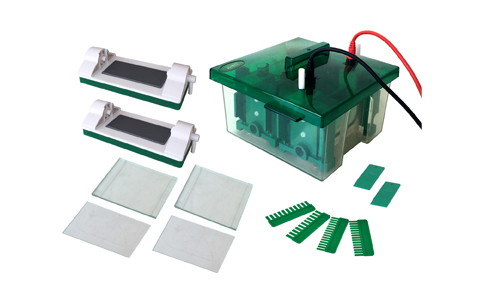
Electrophoresis is a laboratory technique in which a controlled electric current is used in order to separate biomolecules according to their size and electric charge through a porous matrix. Among the main applications of electrophoresis we can mention:
Electrophoresis Power Sources: How does it work?
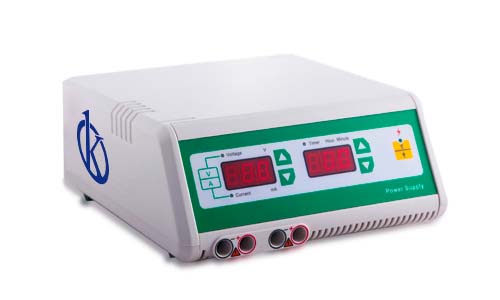
A power source for electrophoresis is the source that manages constant and direct current to the electrophoresis system, as well as indicates and allows us to control both the supply voltage and the current consumption. In other words, this device provides the necessary energy for this system to function properly; and this important laboratory technique can be carried out.
Parts of a microscope
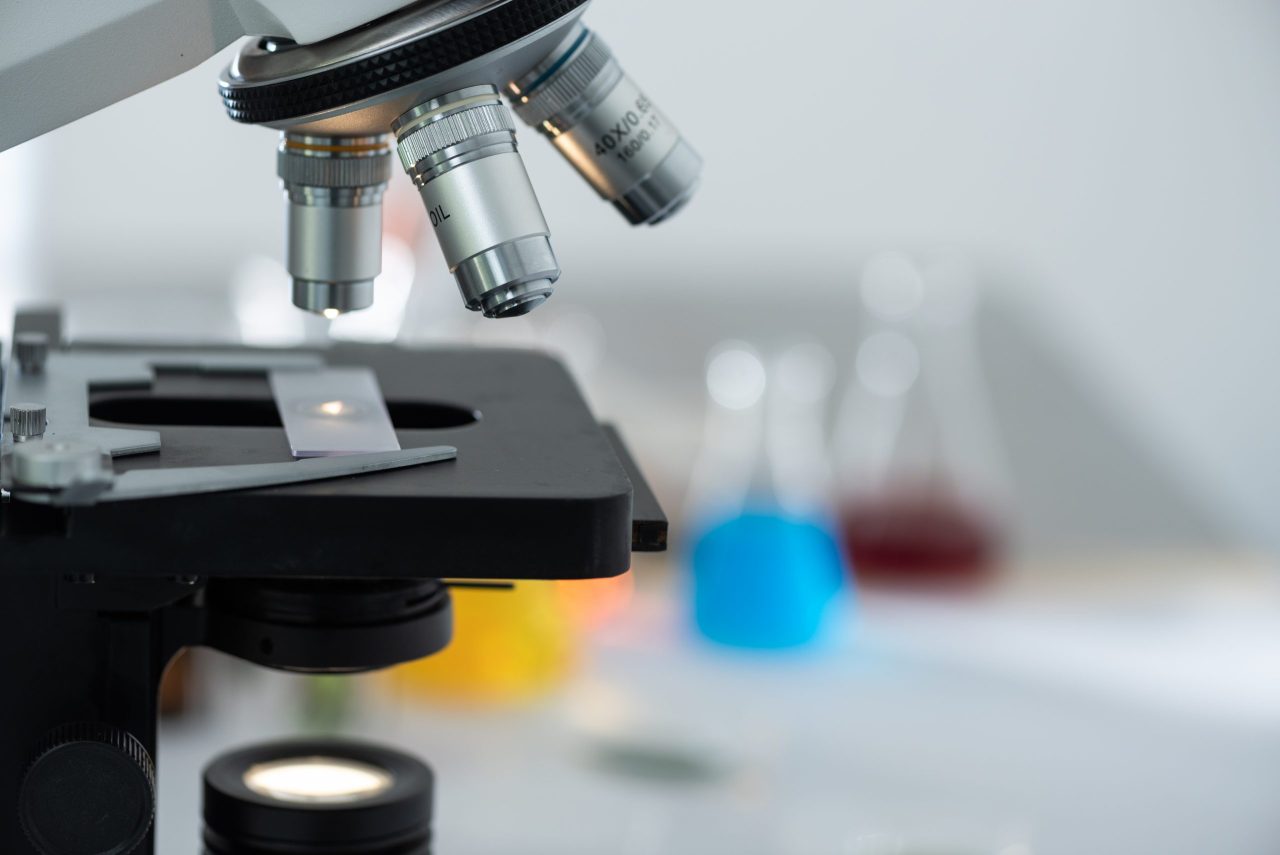
The microscope is a piece of equipment that has been evolving day by day thanks to advances in its electronic and mechanical optical components. The knowledge of the fundamental structure of a microscope and the parts that compose it as well as its function, will help the user in his interrelation with the microscopic equipment to make the appropriate decisions about the necessary care of the same.
Turbidimeter vs. Spectrophotometer
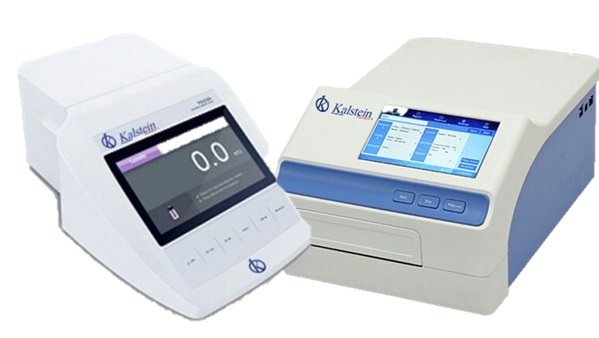
A turbidimeter is a laboratory equipment, portable or benchtop, that is used to measure the turbidity of a liquid. These devices can also set the size and concentration of suspended particles through light scattering in a tube.