
Real-time thermal cyclers
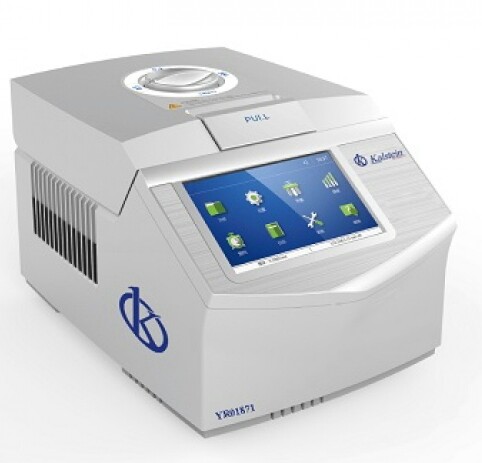
A real-time thermal cycler is a laboratory equipment that allows the real-time polymerase chain reaction (qPCR) to be carried out efficiently and quickly; by means of the automatic and cyclical realization of the temperature changes that are required for the amplification of a deoxyribonucleic acid (DNA) chain; from a thermostable enzyme. The objective of this type of PCR is to detect and quantify the specific nucleic acid sequences by means of fluorescent molecules in the reaction, where the increase in fluorescence is proportional to the increase in the amount of amplified DNA molecules in the reaction.
CO2 incubator: Recommendations and care
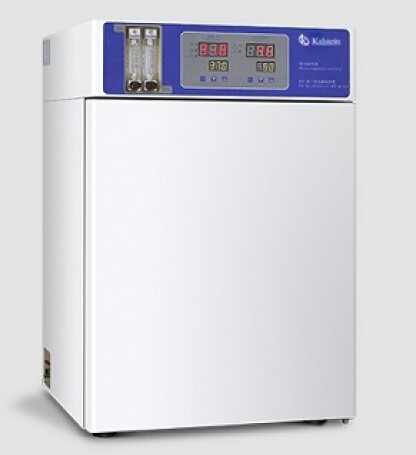
A CO2 incubator is a laboratory equipment that is also called a gasification incubator, and is used to carry out the development of cell and tissue cultures through a natural atmosphere. This culture of living organisms in vitro is one of the main applications of CO2 incubators. That is why these devices are widely used in medical research and in the pharmaceutical industry in: manufacturing of tissue engineering products, in vitro fertilization, diagnostic medicine, cancer research.
Laboratory shakers: different types and applications
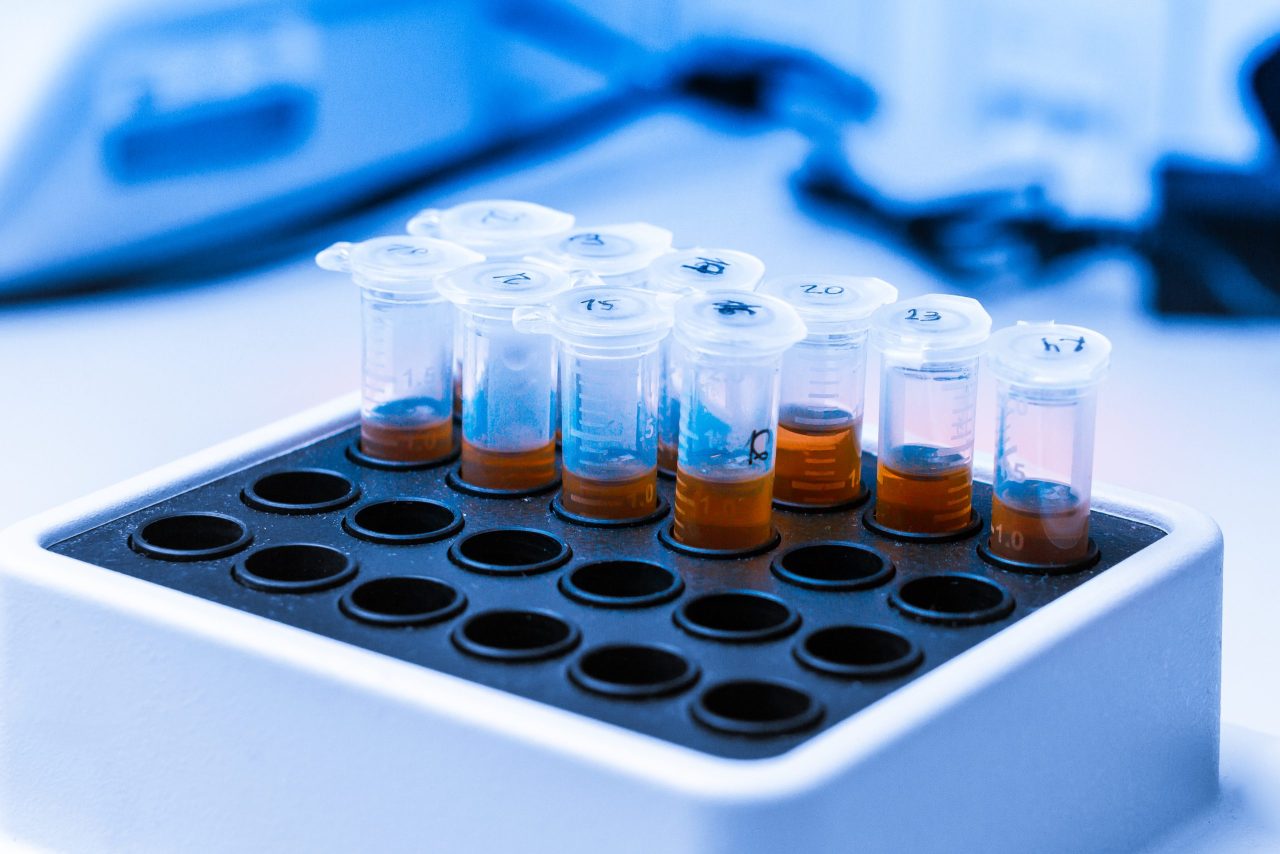
Laboratory stirrers are electromechanical devices that are commonly used in laboratories to homogeneously mix solutions and suspensions. These are generally made up of a plate, which moves propelled by an electric motor. The sample to be mixed is introduced into a container, which can be a beaker, tube or flask, which is positioned on a vibrating surface.
What is a food freeze dryer?
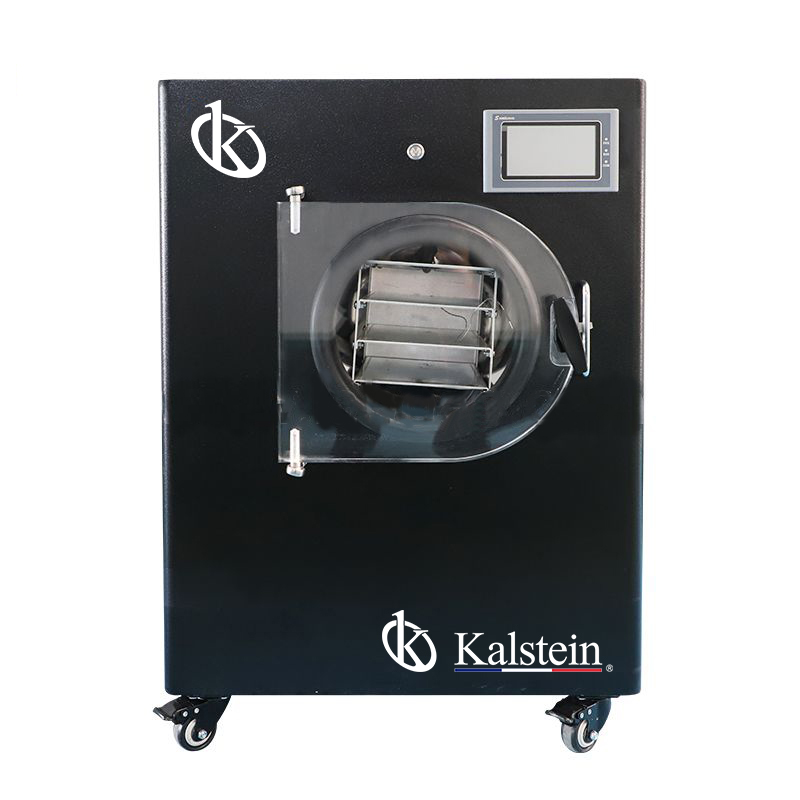
Freeze-drying is a technique for the preservation of food that is based on the drying of certain compounds by means of the sublimation of the water contained in them.
Autoclaves: What types of water should I use?
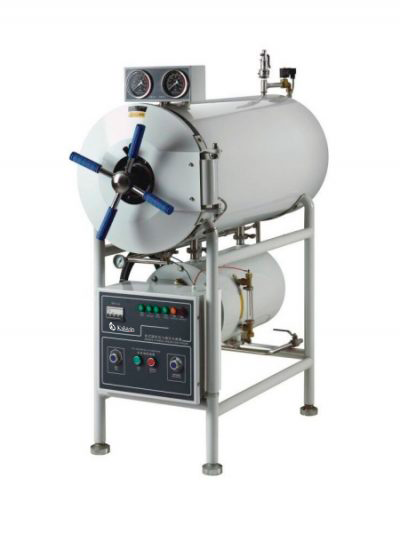
An autoclave is a piece of equipment that allows the sterilization of medical, dental and laboratory material, using steam under pressure and temperature as sterilizing agents. This makes it possible to eliminate any trace of viruses, bacteria, fungi and spores in the materials, liquids or solids that are placed inside.
Equipment needed for a bioanalysis laboratory
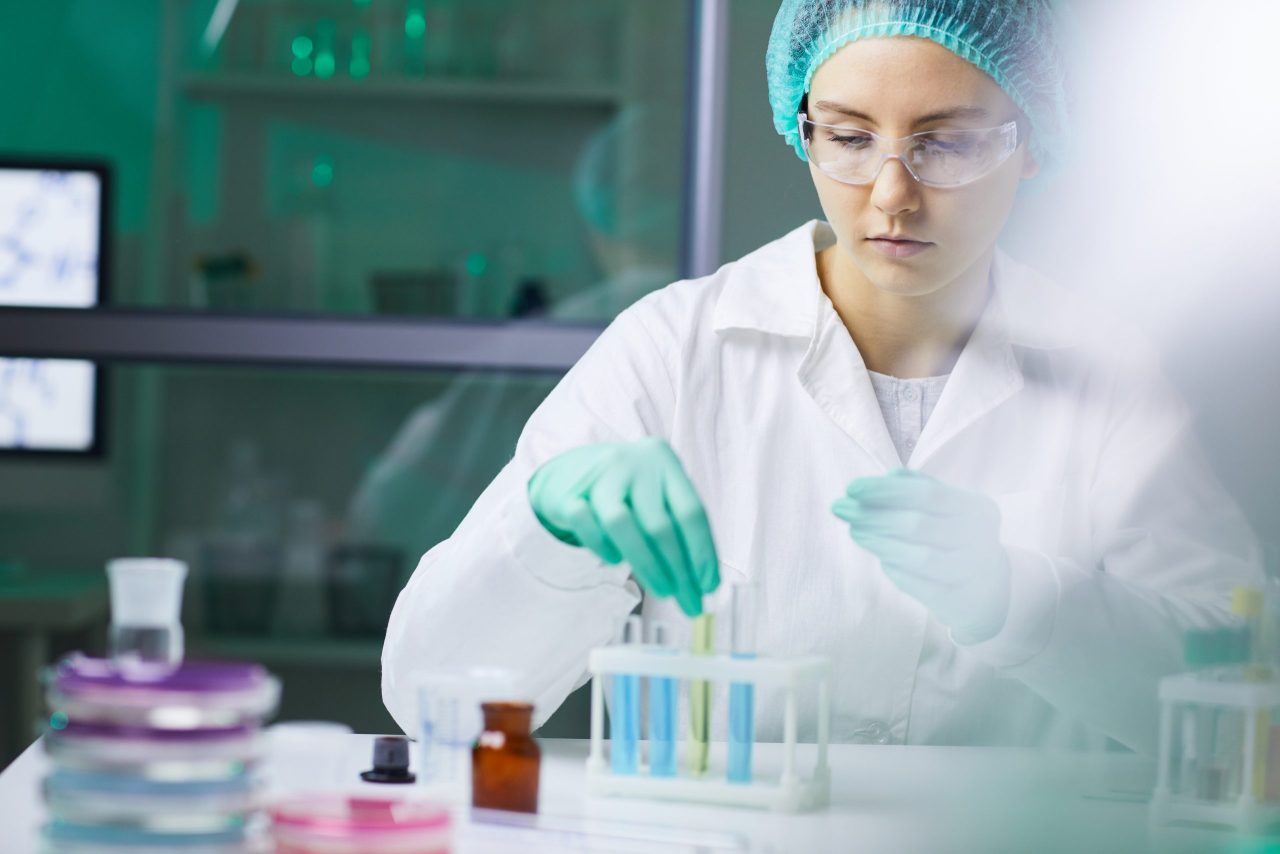
A bioanalysis or diagnostic laboratory is a place where bioanalysis technicians and professionals analyze human biological samples (blood, urine, feces, biological fluids, exudates, among others), contributing significantly to the study, diagnosis, prevention and treatment of diseases . They use multiple methodologies and techniques from various areas such as biochemistry, hematology, immunology, microbiology, and parasitology.
The heating blanket
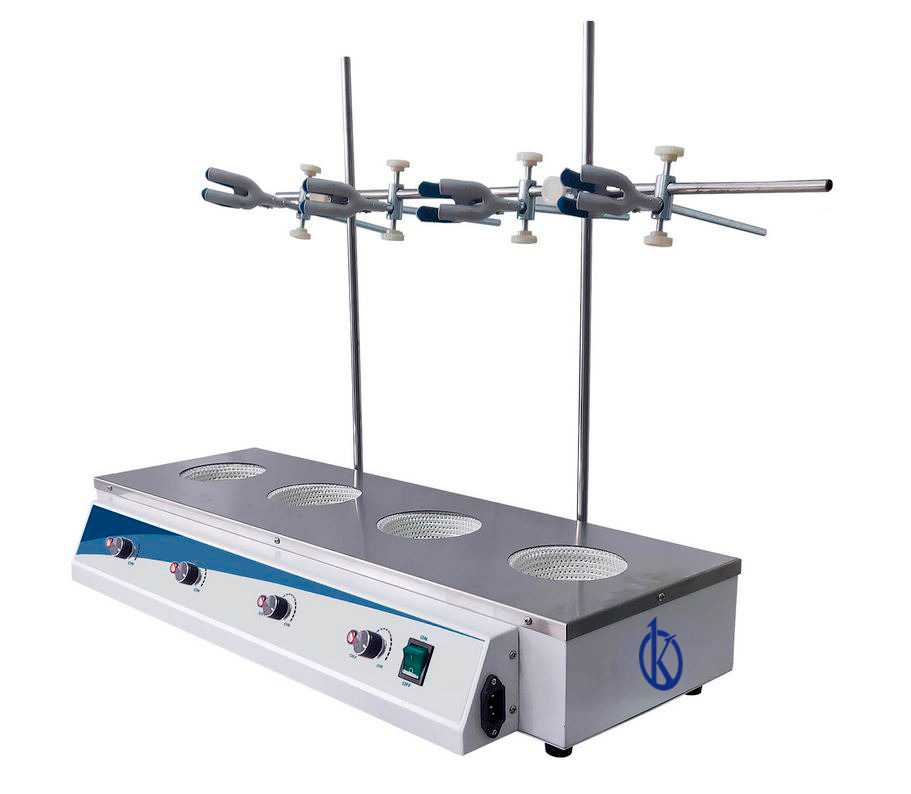
The heating blanket is equipment used in laboratories to heat in a stable and uniform way, samples and substances in glass containers with a round base such as volumetric balloons.
Laboratory Sample Homogenizers
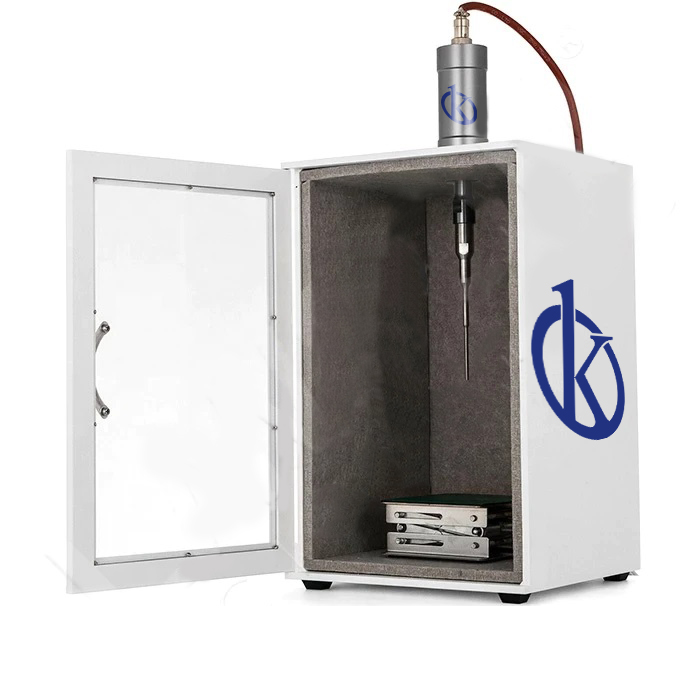
A homogenizer is a very important piece of equipment among the components of a laboratory, because it allows to carry out the homogenization process of different types of materials; such as tissues, food, plants and other biological or chemical elements.
Electrophoresis: what are the necessary reagents?
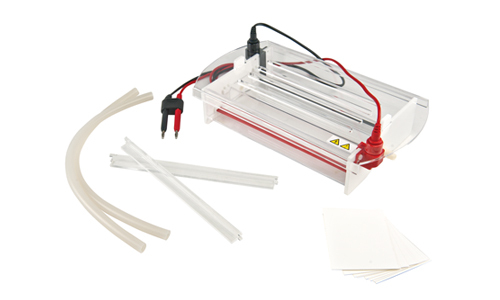
Electrophoresis is an analytical technique in which a controlled electric current is used in order to separate biomolecules according to their size to electric charge ratio, using a gelatinous matrix as a base.
Laboratory refrigerators and freezers, temperature ranges
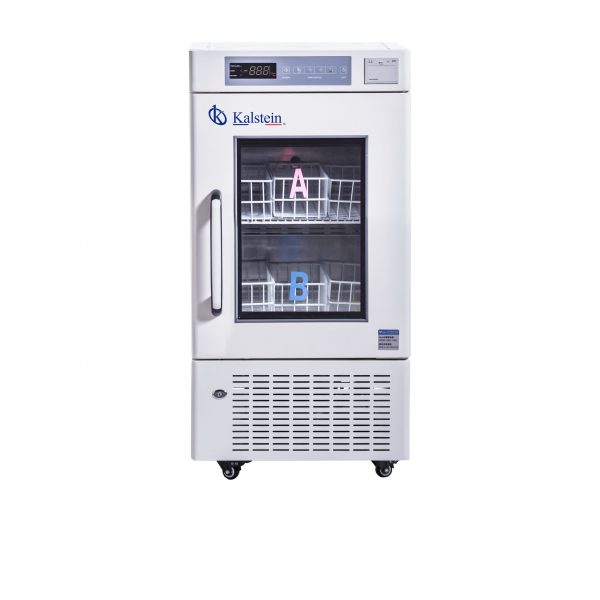
A laboratory refrigerator is a piece of equipment that allows to efficiently conserve all kinds of substances that are cooled in it, whether they are liquid, solid or homogeneous substances. Reason why it is considered essential equipment within the laboratory.