
Differences between a veterinary operating table and a human operating table?
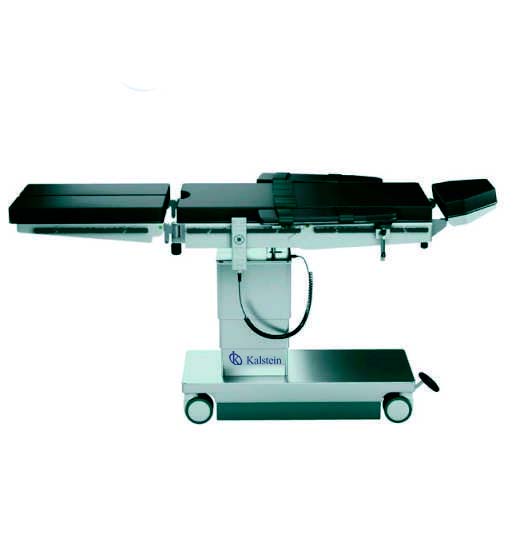
The operating tables are part of the surgical furniture, characterized by a flat surface, where patients and animals rest. They are responsible for providing comfort to patients and job security to the medical personnel who operate it. They have special features, which are adapted to the needs of users.
What tests are performed on an electrolyte analyser?
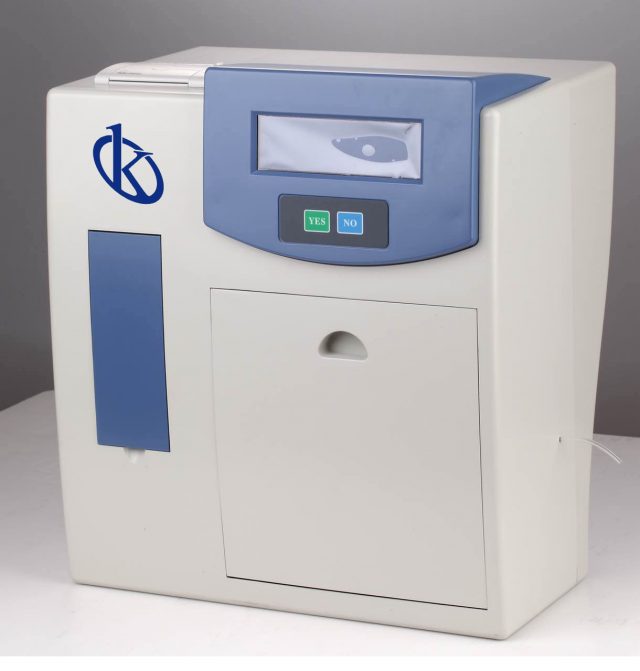
It is valuable to study in patients, electrolyte levels, since they are responsible for measuring the amount of minerals, with electrical charge that provide information, about the increase or decrease of liquid and acid base balance in the body, in addition to transport nutrients to their cells, eliminate waste from said cells and function to their nerves, muscles, heart and brain in the proper way.
Differences between a hydraulic surgical table and an electric surgical table?
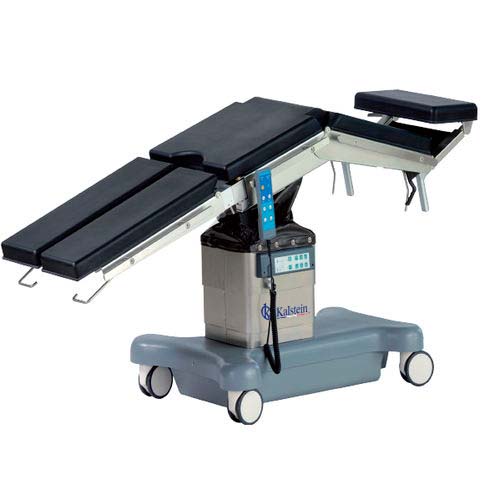
Hydraulic and electrical surgical tables are created for operations, being the fundamental tool in all hospital centers, provide movement according to the surgeon, providing security and comfort to patients. Their designs allow the passage of equipment within the operative field without interfering in their functions, in addition to the maneuvers concerning the intervention without the size or weight affecting the procedure.
Laboratory Incubators: How Do They Work?
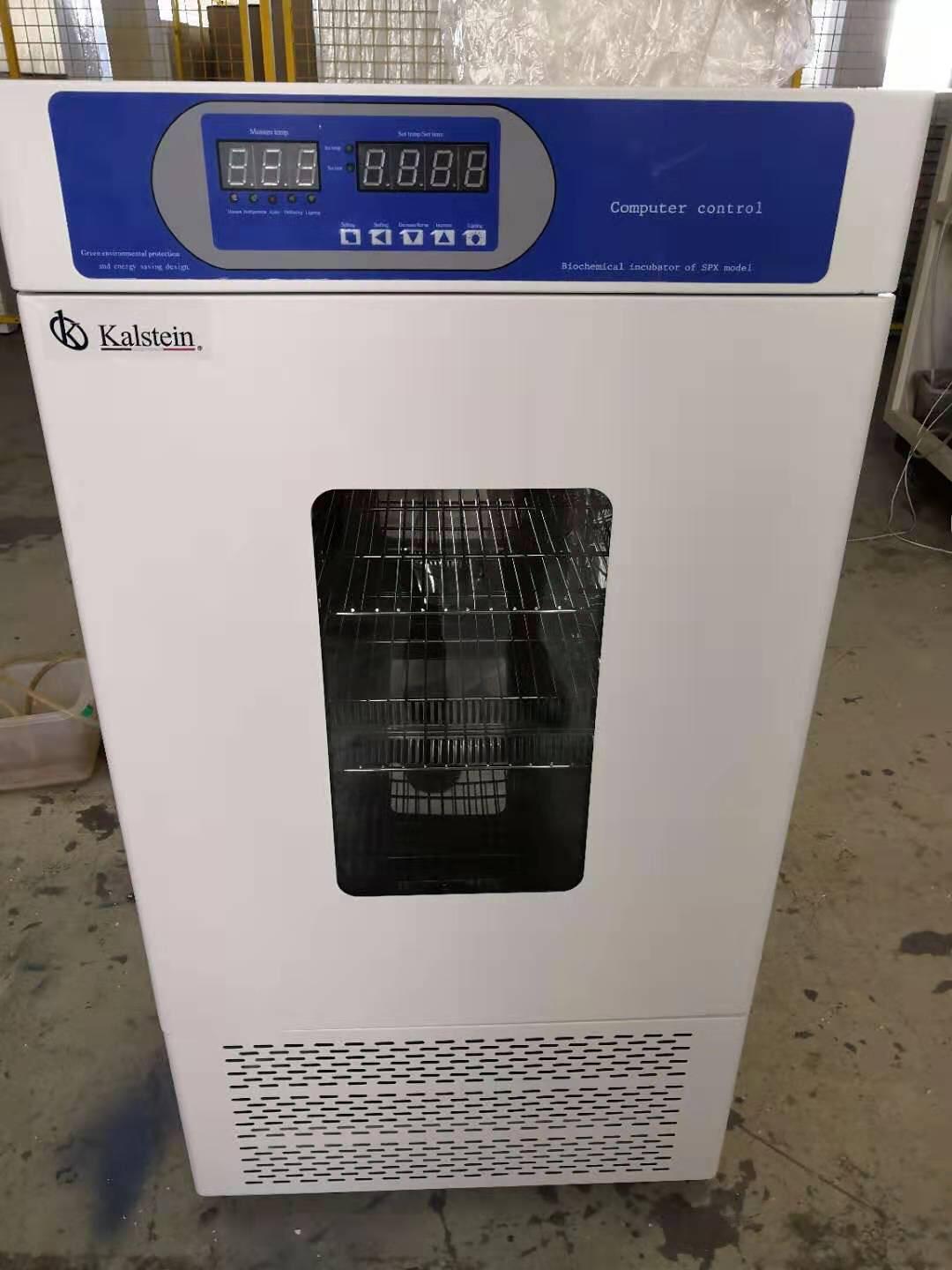
An incubator is a laboratory equipment that allows to carry out a large amount of experimental work, because with it microbiological and cell cultures can be maintained thanks to its ability to achieve the optimum temperature and humidity for it, as well as the levels carbon dioxide and oxygen.
What is the role of the ECG?
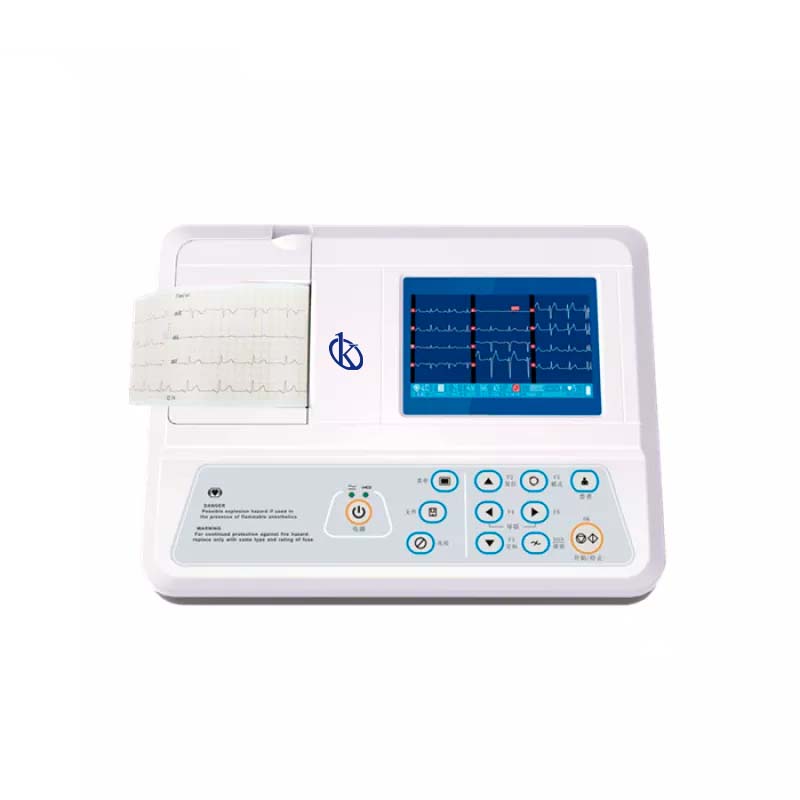
The paper used in the electrocardiogram has certain special characteristics, mainly a grid paper with large frames divided by small frames (5×5), forming a millimeter paper, where each small frame measures 1 millimeter with respect to the large frame measuring 5 millimeters.
What is a Microwave Digester?
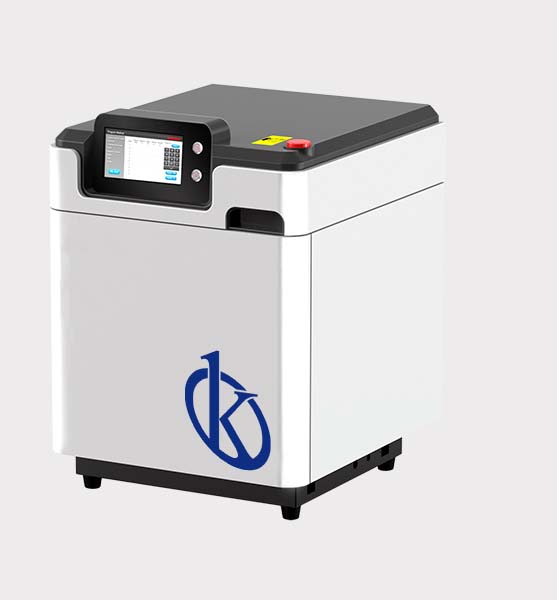
They are equipment that have a digestion system, which is used to mineralize the solid samples from which we want to obtain reliable information at elemental level, a spectroscopic technique is used, and requires that the sample to be examined is in liquid state, so if the requirements of the analyzes require preparing the sample for analyzes of food, textiles, dishes, wastewater treatments, cosmetics and other applications, you need a microwave digester, and undoubtedly the best and most reliable are the YR KALSTEIN series.
What does an electrocardiograph represent?
This device that captures and expands the electrical activity of the heart through electrodes, this device represents the electrical activity of myocardial fibers, produced when cardiac muscles change their electrical properties with each beat, then electrodes attached to the body can be used, to measure changes in the body’s voltage, and this is called electrocardiogram.
Microwave Digester: how does it work?
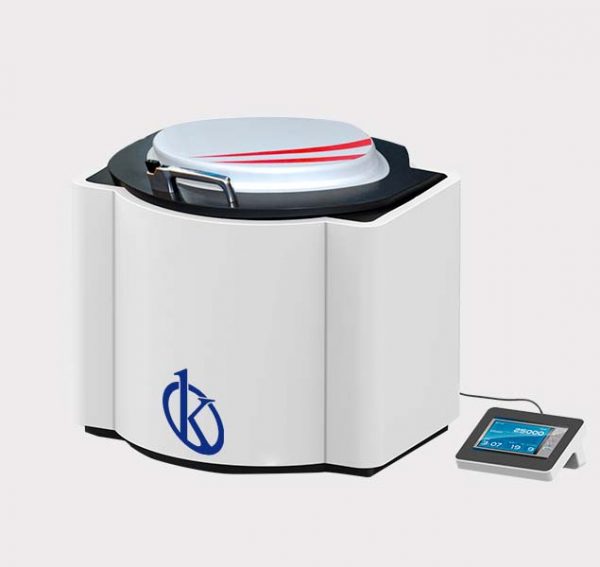
This equipment guarantees the preparation of samples for elemental analysis in analytical chemistry, performs a procedure where electromagnetic radiation is produced at a frequency of 2450 MHz; this makes it warm, where radiation penetrates glass, ceramic and plastic materials, while metals reflect this wavelength.
How effective can a phototherapy unit be for the skin?
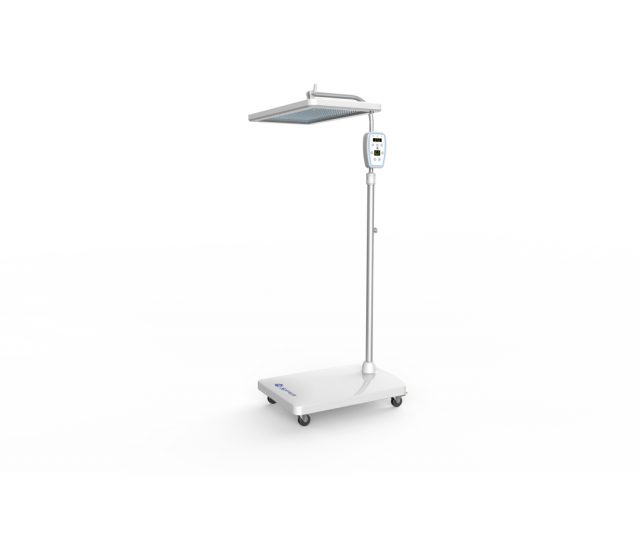
Phototherapy is a dermatological technique and also used in other areas of medicine, where ultraviolet light (UV) radiation is used for the treatment of skin or skin diseases. Thanks to the anti-inflammatory action, it possesses UV radiation, allowing the treatment of inflammatory dermatological and neoplastic skin diseases.
What is jaundice? How is it treated?
Jaundice is the yellowing of the skin and mucous membranes caused by the accumulation or deposition of bilirubin. In newborns, the pathological increase in bilirubin is most often secondary to the destruction or lysis of red blood cells, since the concentration of these cells is higher in the fetus in order to make better use of the scarce amount of oxygen available in the uterine interior.