Turbidity Meter
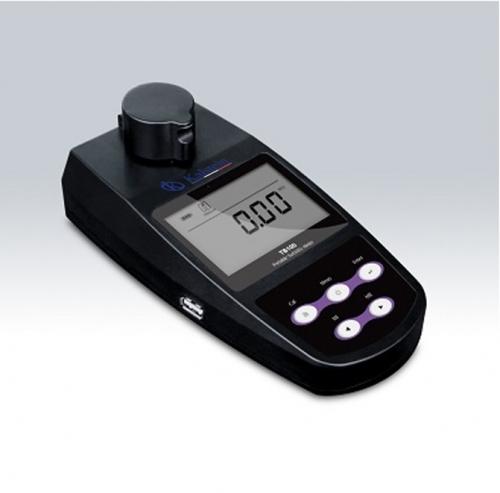
Turbidity is the degree of transparency that water or any colorless liquid loses due to the appearance of suspended particles in it. The turbidity of the liquid
Turbidity is the degree of transparency that water or any colorless liquid loses due to the appearance of suspended particles in it. The turbidity of the liquid increases with the increase of solids present in the liquid; the more solids, the higher the turbidity.
Turbidity is an important factor in determining the quality of water in its potabilization, the more transparent the purer (higher quality); conversely, the more turbid the water, the more contamination or mixture of water with another type of component (low quality). The solids and particles suspended in water are possible carriers of viruses, bacteria, fungi, and parasites. Therefore, water turbidity control is required to avoid the spread of infectious diseases. That is why turbidity meters are applied in water treatment plants and purification plants. They also have applications in the chemical industry, in wastewater control, and in power generation.
The turbidity of the water, which is the focused liquid, is influenced by the following factors: presence of phytoplankton, presence of algae or algal growth; presence of sediments caused by erosion; presence of sediments detached from the bottom, among others.