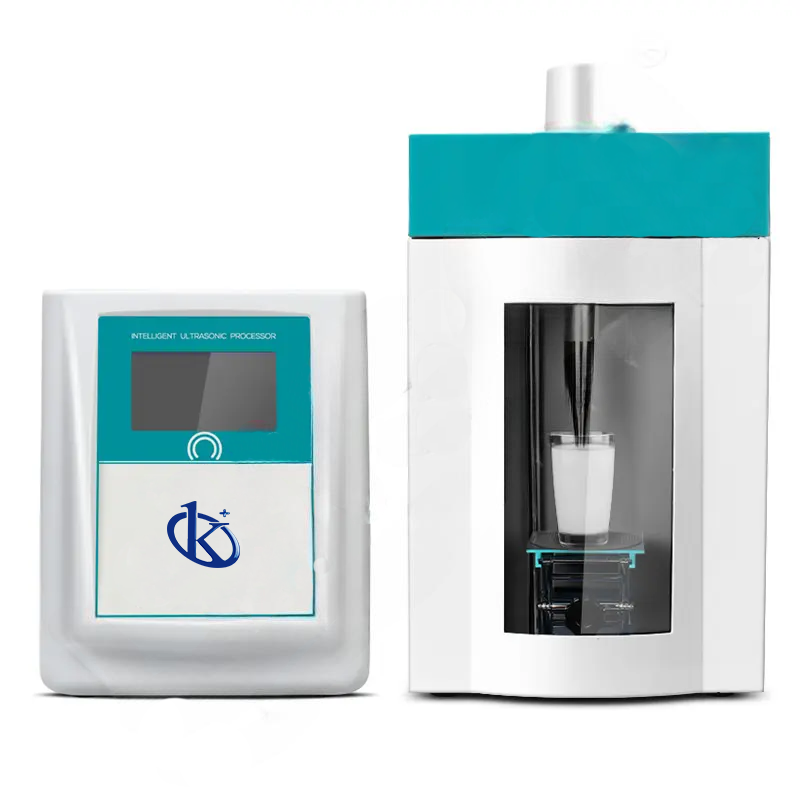
How to Ensure Biosafety and Safe Operator Management with Ultrasonic Homogenizers
In the field of laboratory research, ultrasonic homogenizers play a crucial role in sample preparation, emulsification, and homogenization. However, with their application comes the need for strict biosafety protocols and effective operator management to mitigate risks. This article delves into the essential biosafety measures and operator guidelines required when utilizing ultrasonic homogenizers, specifically focusing on the models available in the market.
Understanding Biosafety Protocols for Ultrasonic Homogenizers
Biosafety protocols are designed to protect laboratory personnel, the environment, and the integrity of research results. When using ultrasonic homogenizers, it is essential to adhere to guidelines that minimize exposure to hazardous materials and reduce the risk of contamination. This involves implementing adequate engineering controls, administrative policies, and personal protective equipment (PPE) to ensure safe operation.
Key Components of Biosafety in Ultrasonic Homogenization
Several key components must be considered when addressing biosafety in ultrasonic homogenization:
- Risk Assessment: Conducting a thorough risk assessment is vital to identify potential hazards associated with the samples being processed.
- Containment Equipment: Utilizing fume hoods or biological safety cabinets can prevent aerosolization of hazardous substances during homogenization.
- PPE Requirements: Laboratory personnel should wear appropriate PPE, including gloves, goggles, and lab coats, to protect against exposure to hazardous samples.
- Training and Protocol Adherence: Regular training sessions on biosafety protocols and proper equipment handling are essential to ensure compliance and safety.
Operator Management Practices for Ultrasonic Homogenizers
Effective operator management is a cornerstone of safe laboratory practices. Here are some best practices for managing operators using ultrasonic homogenizers:
- Standard Operating Procedures (SOPs): Develop and enforce SOPs that outline the safe use of ultrasonic homogenizers, including setup, operation, and cleaning procedures.
- Monitoring and Reporting: Establish monitoring protocols to track the use of equipment and report incidents or near-misses to improve safety practices.
- Regular Maintenance: Schedule and perform routine maintenance on ultrasonic homogenizers to ensure they are functioning correctly and safely.
- Personal Hygiene Practices: Encourage operators to practice good hygiene by washing hands before and after using equipment to prevent cross-contamination.
Comparison of Available Models
| Model | Power (W) | Mixing Capacity (ml) | Temperature Control Range (°C) | Best for |
|---|---|---|---|---|
| YR05015 | 1.5 – 150 | 0.1 – 150 | 0-100 | General laboratory use |
| YR05016 | 2-5 – 250 | 0.1 – 300 | 0-100 | Pharmaceutical applications |
| YR05017 | 10 – 650 | 0.1 – 500 | 0-100 | Biotechnology research |
| YR05018 | 10 – 900 | 0.1 – 600 | 0-100 | Environmental testing |
| YR05019 | 20 – 1,200 | 1 – 1,000 | 0-100 | Food safety testing |
| YR05020 | 50 – 1,800 | 1 – 1,200 | 0-100 | Advanced research facilities |
Common Mistakes and How to Avoid Them
Laboratory professionals often make mistakes when using ultrasonic homogenizers. Awareness and education can significantly reduce these errors. Common mistakes include:
- Neglecting PPE: Failing to use appropriate personal protective equipment can lead to exposure to hazardous materials. Always ensure PPE is worn during operation.
- Improper Calibration: Not calibrating the homogenizer correctly can impact results. Regular calibration based on manufacturer guidelines is crucial.
- Ignoring Maintenance: Overlooking routine maintenance can lead to equipment failure and safety hazards. Schedule regular check-ups and servicing.
- Inadequate Training: Insufficient training can result in mishandling equipment. Provide comprehensive training for all personnel using ultrasonic homogenizers.
Frequently Asked Questions
What are the safety protocols for using ultrasonic homogenizers in labs?
Safety protocols for ultrasonic homogenizers include risk assessments, using fume hoods, and wearing PPE. For instance, the YR05019 model is ideal for food safety testing while adhering to these biosafety measures.
How can I ensure operator safety when using ultrasonic homogenizers?
Operator safety can be ensured through SOPs, regular training, and monitoring equipment use. Models like YR05020 are equipped with features that enhance safety and efficiency.
What types of PPE are recommended for ultrasonic homogenizer operation?
PPE for ultrasonic homogenizer operation includes gloves, goggles, and lab coats. Implementing these precautions with models like the YR05017 can enhance operator safety.
How often should ultrasonic homogenizers be maintained for optimal safety?
Ultrasonic homogenizers should be maintained regularly, typically every 6 months, to prevent malfunctions. For example, the YR05016 model requires routine check-ups to function safely.
What risks are associated with using ultrasonic homogenizers?
Risks include exposure to aerosolized hazardous materials and equipment malfunctions. Adhering to biosafety protocols with models like YR05015 can mitigate these risks effectively.
How do I conduct a risk assessment for ultrasonic homogenizer use?
A risk assessment involves identifying hazards, evaluating risks, and implementing controls. This process is essential for safe operation of models like YR05018 in laboratory environments.
What should I do if an incident occurs while using an ultrasonic homogenizer?
If an incident occurs, follow the lab's emergency protocols, report the incident, and review safety measures. Using models like YR05019 can help avoid potential risks.
Which ultrasonic homogenizer is best for biosafety compliance?
The YR05020 is highly regarded for its advanced features that meet biosafety compliance, including temperature control and overload protection, making it ideal for sensitive applications.
If you are looking for a fusion of innovation and quality, you have come to the right place. At Kalstein, we offer you the luxury of exploring our exclusive catalog of laboratory equipment. We manufacture every device to the highest standards of excellence. Our intuitive and seamless online purchasing channels are designed for your convenience, securing the most competitive prices. Hesitate no longer — we bring science to life, it is time to become part of our community.