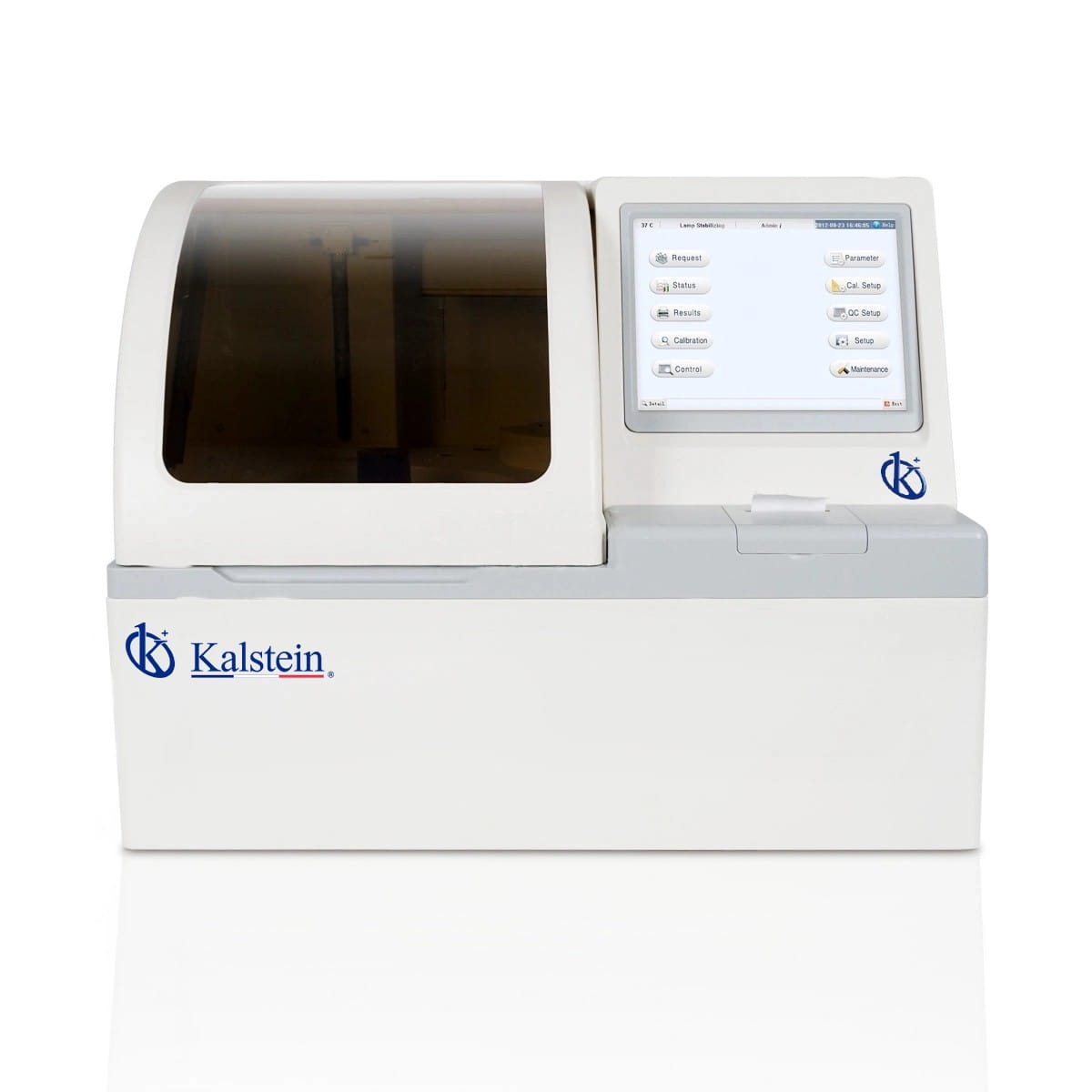
How to Ensure Biosafety Protocols in Operating Veterinary Chemistry Analyzers
In the veterinary field, the safety of operators and the integrity of the diagnostic results is paramount. Operating veterinary chemistry analyzers entails specific biosafety protocols that ensure both effective results and operator safety. This article delves into these protocols, highlighting best practices, compliance with relevant standards, and the importance of proper equipment handling.
Biosafety in Veterinary Laboratories: The Importance of Protocols
The veterinary chemistry analyzer, a crucial tool in diagnostics, must be operated under strict biosafety protocols to protect laboratory personnel from potential biological hazards. The adherence to these protocols not only complies with regulatory standards but also promotes a safer work environment, ensuring that operators can perform their tasks effectively without health risks.
Understanding Biosafety Levels and Their Application
Biosafety levels (BSL) define the precautions required to prevent exposure to biological agents. In a veterinary context, most chemistry analyzers operate under BSL-2 practices. This includes the use of personal protective equipment (PPE), appropriate waste disposal methods, and adherence to decontamination protocols, all of which form the cornerstone of a safe working environment.
Personal Protective Equipment (PPE): Essential Gear for Safety
Proper PPE is critical in minimizing exposure to hazardous materials. Operators should wear gloves, lab coats, and safety goggles while handling samples and reagents in veterinary chemistry analyzers. This not only protects the individual but also helps maintain the integrity of the samples being tested.
Decontamination Protocols: Best Practices After Use
Following the operation of veterinary chemistry analyzers, thorough decontamination of surfaces and equipment is necessary. Using appropriate disinfectants and following established cleaning protocols ensures that any residual biological materials are effectively neutralized, thus maintaining a safe working environment for all personnel. Regular audits should be conducted to ensure compliance with these protocols.
Risk Assessment: Identifying Potential Hazards
Conducting a risk assessment is crucial in identifying potential hazards associated with operating veterinary chemistry analyzers. This includes evaluating the risks from samples taken from various animals, understanding the reagents used, and planning for emergencies. This proactive approach assists in developing effective biosafety protocols tailored to the specific laboratory environment.
Compliance with Regulatory Standards
Ensuring compliance with regulatory standards such as ISO 17025 enhances the credibility of laboratory results and demonstrates a commitment to safety and quality. Understanding how each veterinary chemistry analyzer meets these standards and the specific requirements they address is essential for maintaining operational excellence and safety.
Comparison of Available Models
| Model | Weight (kg) | Price (USD) | Best For | Biosafety Features |
|---|---|---|---|---|
| YR06168 | 70 | 6800.00 | High-throughput testing | Open reagent system |
| YR06169 | 1 | 2000.00 | Portable testing | Touchscreen interface, minimal sample volume |
| YR06172 | 1.65 | 700.00 | Immunofluorescence | Wireless data transfer, compact design |
| YR06174 | 75 | 6600.00 | Gas and electrolyte analysis | Integrated printer, user-friendly interface |
| YR06077 | 1 | 950.00 | Chemical analysis | Memory for multiple test parameters |
Common Mistakes and How to Avoid Them
One of the most common mistakes in laboratory settings is the improper handling of samples and reagents. Ensuring that all operators are trained in biosafety protocols and the specific functionalities of each veterinary chemistry analyzer is vital. Regular training sessions can help mitigate these risks by reinforcing proper techniques and equipment usage.
Frequently Asked Questions
What are the essential biosafety protocols for operating a veterinary chemistry analyzer?
Essential biosafety protocols include the use of PPE, adherence to BSL-2 practices, and proper decontamination of surfaces and equipment after use. For example, using the YR06168 analyzer requires operators to follow these protocols to ensure safety and compliance.
How can I ensure my laboratory complies with ISO 17025 standards?
To ensure compliance with ISO 17025, laboratories must implement quality management systems, maintain proper documentation, and ensure that all equipment, such as the YR06174 analyzer, meets the required standards for operation and calibration.
What personal protective equipment is recommended when using a veterinary chemistry analyzer?
Recommended PPE includes gloves, lab coats, and safety goggles. When operating the YR06169 analyzer, these protections help minimize exposure to potential biological hazards present in samples.
How often should decontamination protocols be conducted in a veterinary lab?
Decontamination protocols should be conducted after every use of the veterinary chemistry analyzers, such as the YR06172, to ensure that all surfaces are free from biological contaminants and maintain a safe working environment.
What are effective methods for conducting a risk assessment in a veterinary lab?
Effective methods for risk assessment include identifying all potential hazards related to samples and reagents, assessing the likelihood of exposure, and developing mitigation strategies. This is crucial when using analyzers like the YR06077.
How can I train laboratory staff on biosafety protocols effectively?
Training can be conducted through regular workshops, hands-on demonstrations, and reviewing protocols specific to the equipment used, such as the YR06174 analyzer. Continuous education helps reinforce best practices among laboratory staff.
What should be included in a biosafety manual for veterinary laboratories?
A biosafety manual should include biosafety protocols, emergency procedures, PPE requirements, and specific details on the operation of equipment like veterinary chemistry analyzers. This ensures that all staff are informed and prepared.
How can proper waste disposal enhance biosafety in veterinary laboratories?
Proper waste disposal reduces the risk of contamination and exposure to hazardous materials. Laboratories using analyzers like the YR06168 must ensure that waste is segregated and disposed of according to regulatory guidelines to maintain a safe environment.
If you are looking for a fusion of innovation and quality, you have come to the right place. At Kalstein, we offer you the luxury of exploring our exclusive catalog of laboratory equipment. We manufacture every device to the highest standards of excellence. Our intuitive and seamless online purchasing channels are designed for your convenience, securing the most competitive prices. Hesitate no longer — we bring science to life, it is time to become part of our community.