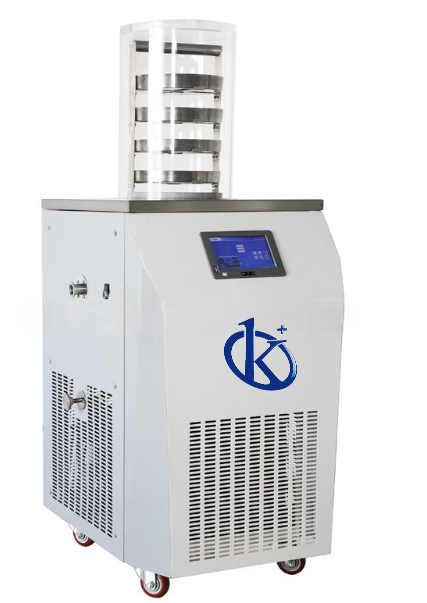
How to Ensure Biosafety Protocols and Safe Operator Handling in Vertical Laboratory Freeze Dryers
Biosafety protocols are critical in laboratory settings where vertical freeze dryers are employed, particularly in sectors like pharmaceuticals, biology, and food science. The ability to safely handle materials and ensure a contamination-free environment is paramount for operator safety and product integrity. This article will delve into the various biosafety measures and protocols that are essential for safe operation while utilizing vertical laboratory freeze dryers.
Understanding Biosafety Levels and their Relevance
Biosafety levels (BSL) are essential in determining the level of precautions required for handling hazardous biological agents. There are four biosafety levels, ranging from BSL-1 (minimal risk) to BSL-4 (maximum risk). Laboratories that utilize vertical freeze dryers must assess the biosafety level pertinent to their operations. For instance, BSL-2 is often suitable for laboratories handling moderate-risk pathogens, requiring specific safety training and equipment to protect the operator.
Personal Protective Equipment (PPE) Guidelines
Effective PPE is a vital component of biosafety protocols. Operators should wear gloves, goggles, and lab coats to avoid direct contact with hazardous materials. Respiratory protection may also be necessary depending on the nature of the substances being lyophilized. For instance, operators using the Vertical Electric Heating Laboratory Freeze Dryer YR05198 should ensure they are equipped with appropriate PPE to mitigate exposure risks.
Decontamination Protocols in Vertical Freeze Dryers
Decontamination is vital to avoid cross-contamination and ensure both operator safety and equipment integrity. It is essential to implement regular cleaning schedules and protocols that involve disinfecting surfaces and equipment used in conjunction with vertical freeze dryers. For instance, using a 10% bleach solution can effectively decontaminate surfaces after handling samples.
Risk Assessment Matrices for Safe Operations
Conducting a thorough risk assessment matrix helps identify potential hazards within the laboratory environment. By systematically evaluating each operation associated with vertical freeze dryers, laboratories can establish clear protocols that minimize risks. For example, when using the Freeze Dryer Lyophilizer for Fruits and Vegetables YR05985-1, it's vital to assess the risks associated with handling perishable samples and take appropriate precautions.
Training and Operator Safety Measures
Training is fundamental in ensuring biosafety protocols are understood and adhered to by all personnel. Regular training sessions should cover safe handling procedures, emergency protocols, and proper usage of vertical freeze dryers. This ensures that operators of models like the Vertical Electric Heating Laboratory Freeze Dryer YR05199 are well-prepared to handle emergencies effectively.
Comparison of Available Models
| Model Code | Description | Biosafety Compliance | Best For |
|---|---|---|---|
| YR05198 | Vertical Electric Heating Laboratory Freeze Dryer | BSL-2 | Routine laboratory use |
| YR05199 | Vertical Electric Heating Laboratory Freeze Dryer | BSL-2 | Research applications |
| YR05200 | Vertical Electric Heating Laboratory Freeze Dryer | BSL-2 | Pharmaceuticals |
| YR05201 | Vertical Electric Heating Laboratory Freeze Dryer | BSL-2 | General laboratory use |
| YR05985-1 | Freeze Dryer Lyophilizer for Fruits and Vegetables | BSL-1 | Food industry |
| YR05985-2 | Freeze Dryer Lyophilizer for Fruits and Vegetables | BSL-1 | Food preservation |
Common Mistakes and How to Avoid Them
In laboratory settings, common mistakes such as neglecting PPE usage, improper decontamination practices, and inadequate training can lead to accidents and contamination. Operators should ensure that all safety protocols are rigorously followed, including thorough cleaning of equipment like the Vertical Electric Heating Laboratory Freeze Dryer YR05200 after each use. Regular audits and reminders can help maintain high standards of safety.
Frequently Asked Questions
What biosafety level is required when using vertical laboratory freeze dryers?
Laboratories using vertical freeze dryers typically operate at BSL-2, which indicates the need for specific safety measures and procedures. For example, using the Vertical Electric Heating Laboratory Freeze Dryer YR05198 calls for proper PPE and decontamination protocols to ensure safe operations.
How can I ensure safe handling of samples in a vertical freeze dryer?
To ensure safe handling of samples, it is crucial to implement comprehensive training and strict adherence to biosafety protocols. Operators should use models like the Freeze Dryer Lyophilizer for Fruits and Vegetables YR05985-1 with proper PPE to minimize exposure and prevent contamination.
What are the decontamination protocols for vertical freeze dryers?
Decontamination protocols for vertical freeze dryers involve using disinfectants like a 10% bleach solution on surfaces and equipment used in operations. Following these protocols after handling samples in models like the Vertical Electric Heating Laboratory Freeze Dryer YR05199 is essential for maintaining a safe working environment.
How often should training sessions on biosafety protocols be conducted?
Training sessions on biosafety protocols should be conducted regularly, ideally every six months, to ensure all personnel are updated on best practices. Utilizing equipment like the Vertical Electric Heating Laboratory Freeze Dryer YR05200 emphasizes the need for ongoing education in laboratory safety.
What are the risks associated with using freeze dryers in laboratories?
Risks associated with using freeze dryers include potential exposure to hazardous materials and contamination of samples. Conducting risk assessments and using appropriate models such as the Freeze Dryer Lyophilizer for Fruits and Vegetables YR05985-2 can help mitigate these risks through proper safety measures.
How can I improve biosafety in my laboratory?
Improving biosafety in your laboratory can be achieved by implementing rigorous training programs, regularly assessing and updating safety protocols, and ensuring proper usage of PPE. Observing these practices while using models like the Vertical Electric Heating Laboratory Freeze Dryer YR05198 is crucial for enhancing safety standards.
What should I include in a risk assessment matrix for freeze drying?
A risk assessment matrix for freeze drying should include identification of potential hazards, the likelihood of occurrence, the severity of outcomes, and preventive measures. Operators using the Vertical Electric Heating Laboratory Freeze Dryer YR05199 should routinely update this matrix to reflect changing lab conditions.
What are the best practices for operator safety during freeze drying?
Best practices for operator safety during freeze drying include wearing appropriate PPE, adhering to decontamination protocols, and receiving regular training on biosafety measures. Utilizing equipment like the Freeze Dryer Lyophilizer for Fruits and Vegetables YR05985-1 requires these practices to ensure a safe laboratory environment.
If you are looking for a fusion of innovation and quality, you have come to the right place. At Kalstein, we offer you the luxury of exploring our exclusive catalog of laboratory equipment. We manufacture every device to the highest standards of excellence. Our intuitive and seamless online purchasing channels are designed for your convenience, securing the most competitive prices. Hesitate no longer — we bring science to life, it is time to become part of our community.