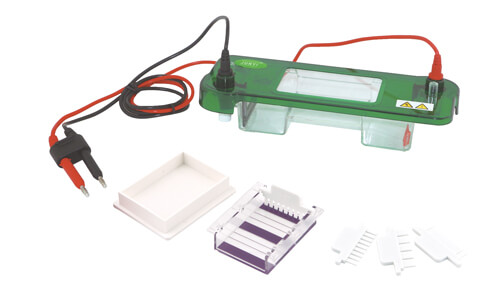
Ensuring Biosafety Protocols and Safe Operator Management in Horizontal Electrophoresis
Horizontal electrophoresis systems are essential tools in molecular biology labs, used for separating DNA, RNA, and proteins. However, the importance of implementing robust biosafety protocols cannot be overstated. As we delve into this topic, we will explore the critical aspects of biosafety and operator management in the context of horizontal electrophoresis, focusing on protocols that ensure a safe laboratory environment.
Understanding Biosafety in the Context of Horizontal Electrophoresis
Biosafety refers to the measures taken to protect laboratory personnel, the environment, and the public from exposure to biological materials. In the context of horizontal electrophoresis, this involves understanding the potential risks associated with the handling of biomolecules and chemical reagents. Laboratories must adhere to biosafety levels (BSL) that dictate the necessary precautions based on the nature of the materials being used.
Risk Assessment Protocols
Conducting a detailed risk assessment is essential for identifying hazards associated with horizontal electrophoresis. This involves not only analyzing the reagents used but also accounting for the operational procedures that may expose personnel to risks. For instance, when using models like the Horizontal Electrophoresis Cell YR03415, labs must ensure that all personnel are trained in handling potentially hazardous materials safely.
Personal Protective Equipment (PPE)
Utilizing appropriate PPE is a fundamental aspect of biosafety. Laboratory coats, gloves, and safety goggles must be worn while conducting electrophoresis experiments. For example, when operating the Horizontal Electrophoresis YR03416, the risk of exposure to ethidium bromide or other stains necessitates strict adherence to PPE protocols to prevent contamination and exposure.
Decontamination Protocols
Post-experiment decontamination is vital for maintaining a safe laboratory environment. This entails proper cleaning of workspaces and equipment. For models such as the Horizontal Electrophoresis YR03417, which may come into contact with hazardous reagents, implementing a robust decontamination protocol can significantly reduce the risk of accidents and contamination.
Protocol Management for Horizontal Electrophoresis Operations
Effective protocol management is vital for ensuring the safety and efficiency of laboratory operations. This includes the standardization of operating procedures, documentation of experiments, and monitoring of compliance with safety protocols.
Standard Operating Procedures (SOPs)
Developing SOPs specific to the horizontal electrophoresis process is essential. These documents should outline the steps from sample preparation to results analysis, including safety checks. The Horizontal Electrophoresis YR03418, for instance, should be used in accordance with an SOP that details the handling of samples and reagents to mitigate risks.
Training and Competency Assessment
Regular training sessions for lab personnel are crucial to ensure that all team members are familiar with the protocols associated with horizontal electrophoresis. This training should include hands-on practice with models like the Horizontal Electrophoresis YR03419, emphasizing proper techniques and safety measures.
Incident Reporting and Response Plans
Establishing a clear incident reporting system allows laboratories to respond swiftly to any safety breaches or accidents. This should include protocols for emergency situations such as spills involving hazardous materials when using models like the Horizontal Electrophoresis YR03420. A well-defined response plan can minimize risks and protect personnel.
Comparison of Available Models
| Model Code | Gel Size (WxL) | Sample Volume | Buffer Volume | Net Weight | Best for |
|---|---|---|---|---|---|
| YR03415 | 186x205 mm | 3, 5, 9 | ~150 ml | 0.4 Kg | Flexible use for varied experiments |
| YR03416 | 78x100 mm | 10, 15 | ~400 ml | 0.6 Kg | Compact experiments with specific applications |
| YR03417 | Multiple sizes | 3, 6, 8, 11, 13, 18, 25 | ~550 ml | 1.1 Kg | Versatile for various electrophoresis needs |
| YR03418 | 140x140 mm | 1, 2, 3, 6, 14, 8, 17, 13, 29 | ~900 ml | 2.0 Kg | Robust experiments requiring larger capacity |
| YR03419 | Multiple sizes | 3, 5, 10, 15, 13, 26 | ~600 ml | 1.7 Kg | General use with flexibility in samples |
| YR03420 | 200x200 mm | 17, 22, 36, 44 | ~1800 ml | 3.3 Kg | Larger scale experiments requiring high throughput |
Common Mistakes and How to Avoid Them
Understanding common pitfalls in laboratory practices can help enhance safety and efficiency. One major mistake is neglecting the importance of biosafety training for all personnel. Regular refresher training sessions should be scheduled to keep everyone updated on best practices and safety protocols. Additionally, another common oversight is failing to maintain cleanliness in the lab. Ensure that all workspaces, including areas used for horizontal electrophoresis, are cleaned regularly to prevent contamination and ensure reliable results.
Frequently Asked Questions
What biosafety level is required for using horizontal electrophoresis models?
The appropriate biosafety level for horizontal electrophoresis typically falls between BSL-1 and BSL-2, depending on the materials handled. For example, models like the Horizontal Electrophoresis YR03415 should be operated under BSL-2 conditions when dealing with potentially infectious agents.
How can I ensure compliance with safety protocols in horizontal electrophoresis?
Compliance can be ensured by developing comprehensive SOPs and conducting regular training sessions. When using the Horizontal Electrophoresis YR03416, incorporate specific protocols for sample handling and reagent disposal to maintain compliance with biosafety regulations.
What are the most common hazards associated with horizontal electrophoresis?
Common hazards include exposure to hazardous reagents and physical injuries from equipment. For instance, when operating the Horizontal Electrophoresis YR03417, it is crucial to handle dyes and gels carefully to prevent spills and exposure.
What personal protective equipment is essential for horizontal electrophoresis?
Essential PPE includes gloves, lab coats, and safety goggles. Using the Horizontal Electrophoresis YR03418 requires wearing appropriate PPE to protect against spills and exposure to toxic reagents.
How should decontamination procedures be carried out after electrophoresis?
Decontamination should involve cleaning all surfaces and equipment that came into contact with samples and reagents. After using the Horizontal Electrophoresis YR03419, ensure that all equipment is properly cleaned to prevent cross-contamination in future experiments.
How do I assess risks associated with horizontal electrophoresis practices?
Conducting a risk assessment involves evaluating the materials and processes used in horizontal electrophoresis. For example, when using the Horizontal Electrophoresis YR03420, consider the hazards associated with buffer solutions and the potential for spills or exposure.
What steps can I take to improve safety in my laboratory?
Improving safety can involve regular training, implementing clear SOPs, and ensuring proper use of PPE. By following best practices while using horizontal electrophoresis models, labs can enhance overall safety and efficiency.
Why is operator training critical in horizontal electrophoresis?
Operator training is crucial for ensuring proper handling of equipment and reagents, thereby reducing the risk of accidents. Training with models such as the Horizontal Electrophoresis YR03416 facilitates understanding of safe practices and compliance with safety protocols.
If you are looking for a fusion of innovation and quality, you have come to the right place. At Kalstein, we offer you the luxury of exploring our exclusive catalog of laboratory equipment. We manufacture every device to the highest standards of excellence. Our intuitive and seamless online purchasing channels are designed for your convenience, securing the most competitive prices. Hesitate no longer — we bring science to life, it is time to become part of our community.