How to Ensure Biosafety Protocols in Drug Stability Testing: A Comprehensive Guide
In the field of drug stability testing, adhering to biosafety protocols is crucial for protecting laboratory personnel and maintaining the integrity of the testing environment. This guide aims to delve into the essential biosafety measures and operational safety practices that laboratories must implement when utilizing drug stability test chambers. With a focus on the latest industry standards and practical applications, laboratory professionals can enhance their understanding of safe testing protocols.
Understanding Biosafety Levels and Their Relevance
Biosafety levels (BSLs) are essential frameworks that define the precautions necessary to prevent laboratory-acquired infections and contamination during drug testing. Laboratories typically adhere to BSL-1 through BSL-4, based on the risk factors associated with the substances being handled. For instance, BSL-2 is commonly appropriate for drug stability testing, as it involves moderate-risk agents requiring specific safety protocols.
Key Biosafety Protocols for Drug Stability Testing
Implementing robust biosafety protocols can significantly minimize risks during drug stability testing. Key protocols include:
- Personal Protective Equipment (PPE): Ensure that all personnel wear appropriate PPE, including gloves, lab coats, and safety goggles to minimize exposure to hazardous substances.
- Decontamination Protocols: Regularly decontaminate work surfaces and equipment. Use appropriate disinfectants to eliminate potential pathogens.
- Aerosol Containment: Utilize biological safety cabinets (BSCs) for procedures that may create aerosols to protect laboratory personnel from exposure.
Biosafety Features in Drug Stability Test Chambers
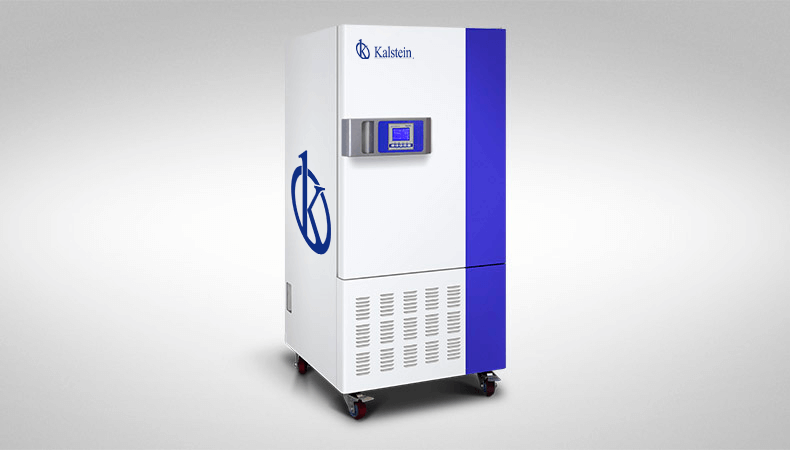
When selecting drug stability test chambers, consider models that incorporate features designed to enhance biosafety, such as:
- YR05350: With its advanced cooling technology and automatic defrost system, this model minimizes the risk of contamination while maintaining temperature stability.
- YR05351: This unit is equipped with a multiple safety system, ensuring prolonged operation with minimal risk.
- YR05352: Known for its forced convection mode, this chamber offers improved air circulation, reducing the risk of localized contamination.
Implementing Risk Assessment Matrices in Testing Protocols
Conducting a thorough risk assessment is vital when establishing biosafety protocols. A risk assessment matrix can help identify potential hazards and the necessary controls to mitigate risks. Key elements to assess include:
- Hazard identification related to the materials used during testing.
- Assessment of exposure risks associated with handling, storage, and disposal of samples.
- Evaluation of environmental risks within the testing area.
Common Mistakes in Biosafety Protocol Implementation
Laboratories often encounter challenges in maintaining biosafety protocols. Common mistakes include:
- Lack of Training: Failure to provide adequate training for personnel on biosafety protocols can lead to increased risks.
- Inadequate Maintenance: Failing to regularly maintain equipment, including drug stability test chambers, can result in compromised safety standards.
- Poor Communication: Ineffective communication of safety protocols can lead to misunderstandings and non-compliance.
Comparison of Available Models
| Model | Temperature Range (°C) | Price (USD) | Best For |
|---|---|---|---|
| YR05350 | 0~60 | 2500.00 | Pharmaceutical stability testing in controlled environments |
| YR05351 | 0~60 | 2940.00 | Biotechnology applications requiring precise temperature control |
| YR05352 | 0~60 | 3900.00 | Comprehensive stability studies in food and drug industries |
How to Maintain Compliance with Regulatory Standards
Compliance with regulatory standards is critical in drug stability testing. Laboratories must adhere to guidelines set forth by organizations such as the FDA and EMA. Implementing quality management systems (QMS) and regular audits can help ensure compliance with regulations.
Developing a Comprehensive Training Program
Establishing a robust training program for all laboratory personnel is essential for maintaining biosafety standards. The program should cover:
- Understanding biosafety levels.
- Proper use of PPE.
- Emergency protocols and reporting procedures.
Common Mistakes and How to Avoid Them
Common mistakes in implementing biosafety protocols include inadequate training, neglecting equipment maintenance, and failing to communicate effectively. To avoid these pitfalls, laboratories should invest in regular training, maintenance schedules, and clear communication channels.
Frequently Asked Questions
What are the essential biosafety measures for drug stability testing laboratories?
Drug stability testing laboratories should adhere to strict biosafety measures, including PPE usage, decontamination protocols, and aerosol containment. Models like YR05350 offer advanced safety features that align with these measures.
How can drug stability test chambers improve laboratory biosafety?
Drug stability test chambers, such as YR05351, incorporate advanced features like automatic defrost systems and forced convection to enhance laboratory biosafety by maintaining stable test conditions and reducing contamination risks.
What training is necessary for laboratory personnel handling drug stability testing?
Training for laboratory personnel should cover biosafety levels, PPE usage, and emergency protocols. Implementing such training ensures compliance and safety during drug stability testing using models like YR05352.
How often should drug stability testing equipment be calibrated?
Calibration of drug stability testing equipment, including chambers like YR05350, should occur regularly to maintain compliance with industry standards and ensure accuracy in test results.
What are the risks associated with drug stability testing without biosafety protocols?
Skipping biosafety protocols in drug stability testing can lead to laboratory-acquired infections and compromise test results. Using chambers such as YR05351 mitigates these risks through built-in safety features.
How do regulatory standards impact drug stability testing procedures?
Regulatory standards set forth by bodies like the FDA dictate the operational protocols in drug stability testing. Laboratories that utilize models like YR05352 can better align their practices with compliance requirements.
What is the importance of PPE in drug stability testing?
PPE is crucial in drug stability testing as it protects laboratory personnel from exposure to potentially hazardous substances. Models like YR05350 support safety by maintaining controlled environments.
How can laboratories ensure proper decontamination during drug stability testing?
To ensure proper decontamination, laboratories should establish protocols for regularly cleaning work surfaces and equipment used in drug stability testing. Utilizing test chambers like YR05351 can facilitate safer practices.
If you are looking for a fusion of innovation and quality, you have come to the right place. At Kalstein, we offer you the luxury of exploring our exclusive catalog of laboratory equipment. We manufacture every device to the highest standards of excellence. Our intuitive and seamless online purchasing channels are designed for your convenience, securing the most competitive prices. Hesitate no longer — we bring science to life, it is time to become part of our community.