Benchtop Laboratory Freeze Dryers: Common Mistakes and How to Avoid Them in Daily Operations 2026
What is it used for in 2026
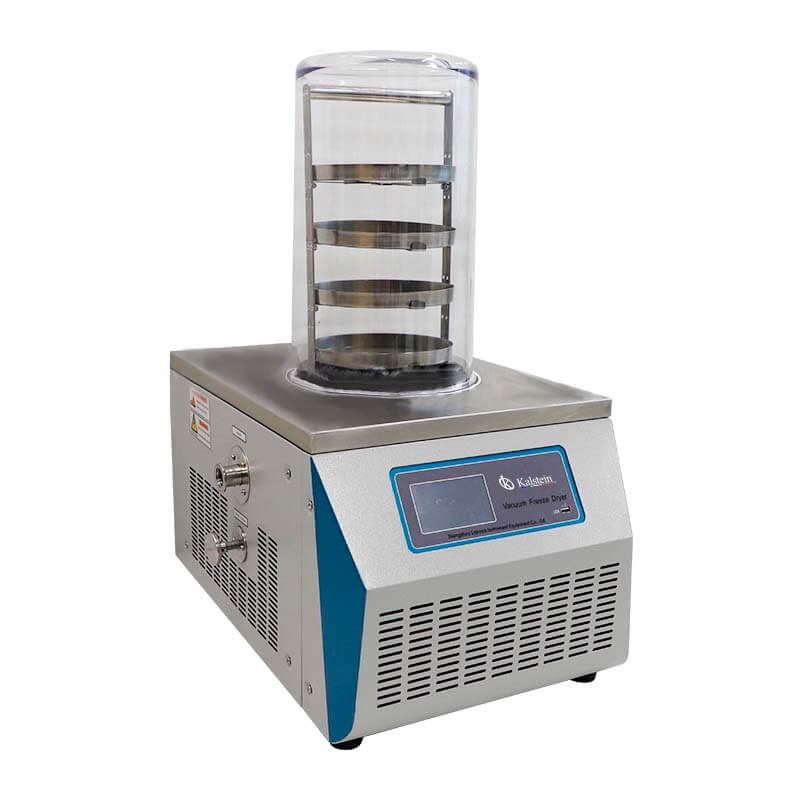
Benchtop laboratory freeze dryers, or lyophilizers, are crucial in various sectors including pharmaceuticals, food preservation, and biological research. They are designed to remove moisture from sensitive materials without altering their essential qualities. This is particularly vital in the preservation of products such as vaccines, enzymes, and laboratory samples, ensuring that they remain stable and effective over extended periods.
History and evolution of the technology
The freeze drying process has evolved significantly since its inception. Initially developed in the early 20th century for preserving perishable goods, the technology has been refined to cater to the specific needs of modern laboratories. Today’s benchtop freeze dryers incorporate advanced features such as improved vacuum systems and temperature control, allowing for better control over the drying process and enhancing the preservation of heat-sensitive materials.
How to use it step by step
Using a benchtop freeze dryer involves several critical steps:
- Preparation: Ensure the freeze dryer is clean and all components are functioning. Set the desired vacuum and temperature parameters based on the material to be dried.
- Loading: Place the samples evenly across the trays, avoiding overcrowding to allow for proper airflow.
- Initiation: Start the freeze drying process, monitoring the temperature and vacuum levels regularly.
- Completion: Once the drying cycle is finished, check for residual moisture and ensure samples are appropriately packaged for storage.
- Documentation: Record the settings and outcomes for future reference and consistency.
Best techniques and protocols
Establishing effective techniques is essential for successful freeze drying. Here are some best practices:
- Optimize product thickness to enhance drying efficiency.
- Employ pre-freezing techniques to improve moisture removal.
- Utilize in-process monitoring to track progress and adjust parameters in real-time.
- Regularly calibrate temperature and vacuum sensors for accurate operation.
Practical applications by laboratory type
Different laboratories may utilize freeze dryers for specific applications:
- Pharmaceutical Labs: For stabilizing drugs and vaccines.
- Biological Research: To preserve microbial cultures and enzymes.
- Food Science: For extending shelf life of food products.
- Chemical Analysis: To prepare samples for analysis without degradation.
Regulations, standards and certifications
Laboratories must adhere to strict regulations when using freeze dryers. Compliance with Good Manufacturing Practices (GMP), ISO standards, and specific regulations from health authorities is critical. Regular audits and certifications ensure that the equipment is maintained to the highest operational standards and that the processes yield safe and effective products.
Comparison with alternative technologies
While freeze drying is a preferred method for preserving sensitive materials, alternatives such as spray drying and oven drying are also utilized. Compared to spray drying, freeze drying is less damaging to heat-sensitive compounds, making it more suitable for biological and pharmaceutical applications. Oven drying, while faster, often alters the chemical properties of products, which can be detrimental in laboratory settings.
Comparison of available models
| Model | Best for | Key specs | Recommended use case |
|---|---|---|---|
| YR05186 | General laboratory freeze drying | 0.12㎡, 3-4 L/24h, -55 ℃ | Ideal for biological samples and pharmaceuticals |
| YR05187 | Laboratory experiments | 0.08㎡, 3-4 L/24h, -55 ℃ | Suitable for smaller batch experiments |
| YR05188 | Multiple sample freeze drying | 0.12㎡, 3-4 L/24h, -55 ℃ | Great for diverse sample types in research |
| YR05189 | Collector applications | 0.08㎡, 3-4 L/24h, -55 ℃ | Works well for collecting and preserving samples |
| YR05189-1 | Customized applications | 3-4kg/24h, -55 ℃ | Best for specialized laboratory requirements |
Common mistakes and how to avoid them
Several common mistakes can hinder the effectiveness of freeze drying:
- Overloading the trays: Ensure there is enough space between samples for airflow.
- Incorrect temperature settings: Always check and adjust the temperature based on the material properties.
- Inadequate vacuum levels: Regularly monitor and calibrate vacuum systems to ensure optimal drying conditions.
- Neglecting maintenance: Follow a scheduled maintenance plan to keep equipment functioning effectively.
Maintenance, calibration and good practices 2026
To ensure optimal performance of freeze dryers, consider the following:
- Perform regular cleaning of the chamber and trays to prevent contamination.
- Calibrate temperature and vacuum sensors quarterly for precise control.
- Follow manufacturer guidelines for maintenance schedules and practices.
- Train personnel on best practices to reduce the likelihood of user error.
Cost-benefit analysis 2026
Investing in benchtop freeze dryers can yield significant benefits, such as:
- Long-term preservation of vital samples leading to reduced waste.
- Improved product stability resulting in higher quality outcomes.
- Increased efficiency in laboratory processes, saving time and resources.
While the initial investment may be substantial, the long-term savings and benefits often outweigh the costs.
Frequently asked questions
What are the key features to look for in a benchtop freeze dryer?
When selecting a freeze dryer, consider features like condenser capacity, temperature range, and ease of use. An LCD screen for monitoring is also beneficial.
How can I determine the best freeze dryer for my laboratory?
Assess your laboratory's specific needs, such as the type of samples you will be processing and the desired throughput to choose the most suitable model.
What maintenance tasks are essential for freeze dryers?
Regular cleaning, calibration of vacuum and temperature controls, and following the manufacturer's maintenance schedule are crucial for optimal performance.
How can I avoid common mistakes during the freeze drying process?
Ensure proper loading of samples, monitor temperature and vacuum levels, and avoid skipping maintenance checks to minimize errors.
What is the average lifespan of a benchtop freeze dryer?
With proper care and maintenance, a benchtop freeze dryer can last anywhere from 10 to 15 years, depending on usage and quality.
If you are looking for a fusion of innovation and quality, you have come to the right place. At Kalstein, we offer you the luxury of exploring our exclusive catalog of laboratory equipment. We manufacture every device to the highest standards of excellence. Our intuitive and seamless online purchasing channels are designed for your convenience, securing the most competitive prices. Hesitate no longer — we bring science to life, it is time to become part of our community.