
Rotavapor: why is it fundamental in a laboratory?
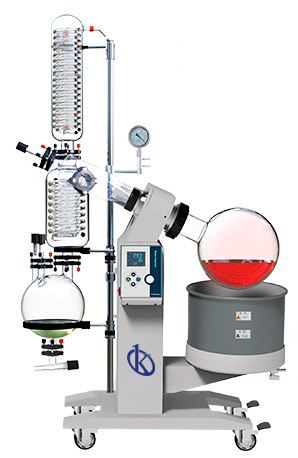
A wide variety of examinations, experiments and endless chemical, medical and biological procedures are carried out in the laboratories; this characteristic of laboratories makes it essential to use certain equipment to facilitate the activities carried out; one of these teams is the rotavaporador; which are used in different areas and institutions such as: chemical industry, pharmaceutical industry, laboratories and hospital sector; they are also used in the manufacture and analysis of experiments to concentrate, dry and recycle.
What is a food freeze dryer?
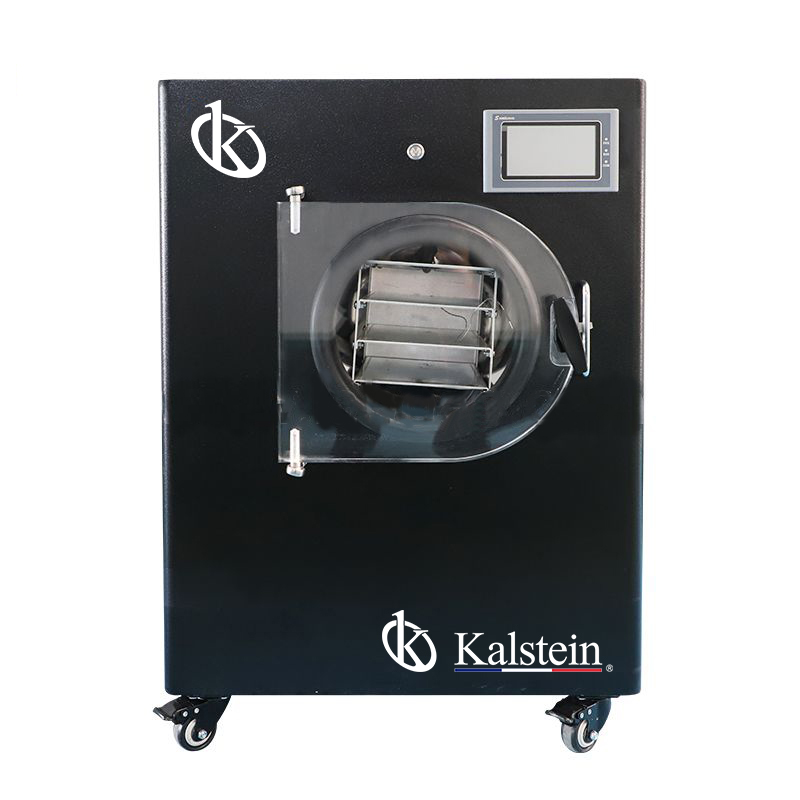
Freeze-drying is a technique for the preservation of food that is based on the drying of certain compounds by means of the sublimation of the water contained in them.
Autoclaves: What types of water should I use?
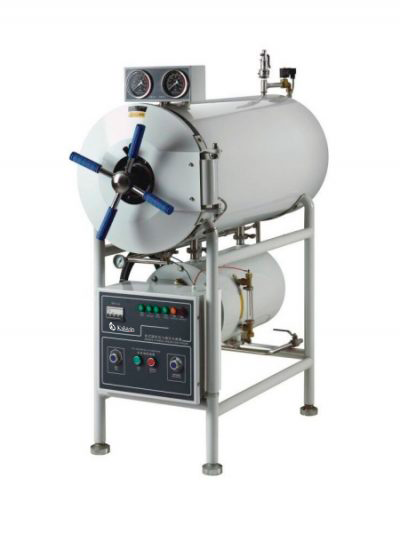
An autoclave is a piece of equipment that allows the sterilization of medical, dental and laboratory material, using steam under pressure and temperature as sterilizing agents. This makes it possible to eliminate any trace of viruses, bacteria, fungi and spores in the materials, liquids or solids that are placed inside.
Equipment needed for a bioanalysis laboratory
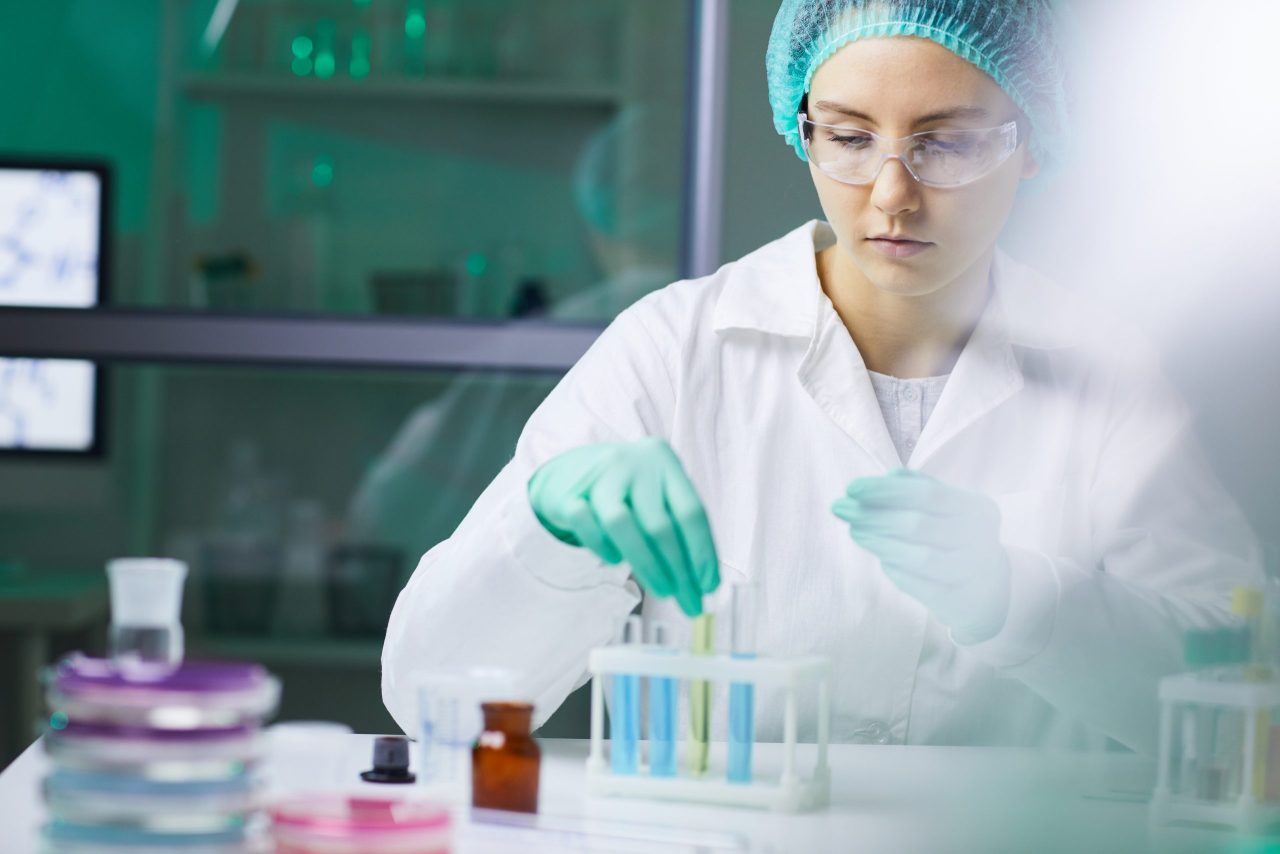
A bioanalysis or diagnostic laboratory is a place where bioanalysis technicians and professionals analyze human biological samples (blood, urine, feces, biological fluids, exudates, among others), contributing significantly to the study, diagnosis, prevention and treatment of diseases . They use multiple methodologies and techniques from various areas such as biochemistry, hematology, immunology, microbiology, and parasitology.
The heating blanket
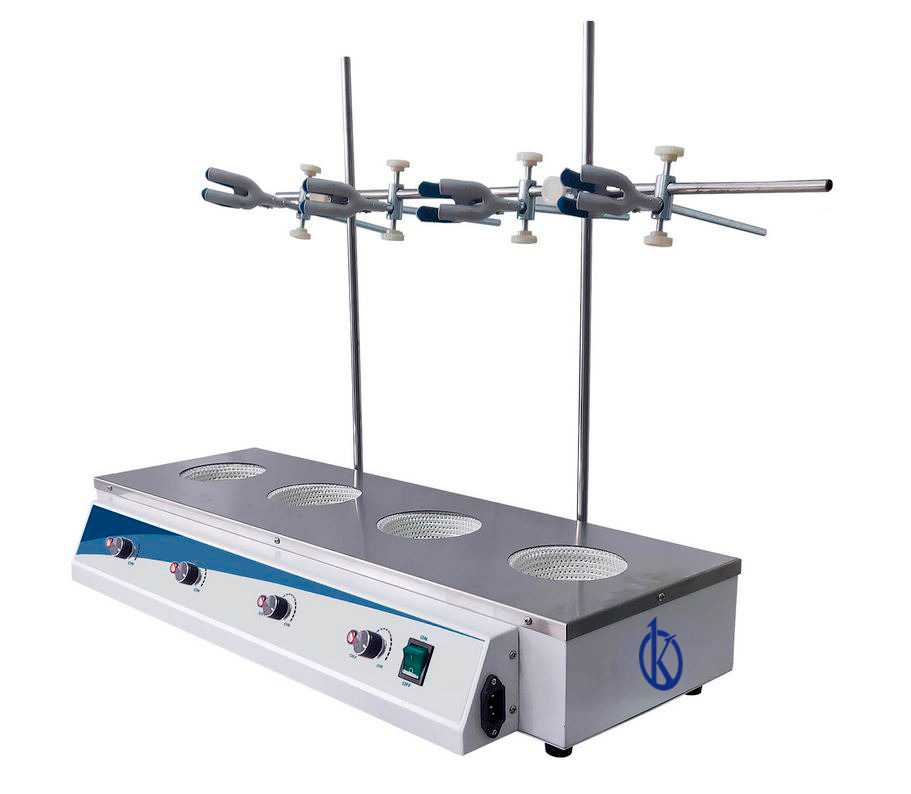
The heating blanket is equipment used in laboratories to heat in a stable and uniform way, samples and substances in glass containers with a round base such as volumetric balloons.
Laboratory Sample Homogenizers
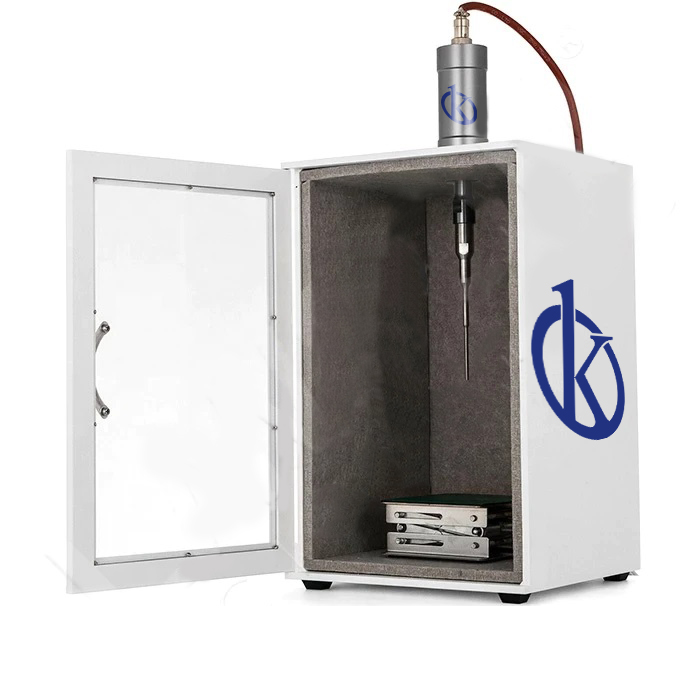
A homogenizer is a very important piece of equipment among the components of a laboratory, because it allows to carry out the homogenization process of different types of materials; such as tissues, food, plants and other biological or chemical elements.
Analytical balance: What are the applications and uses?
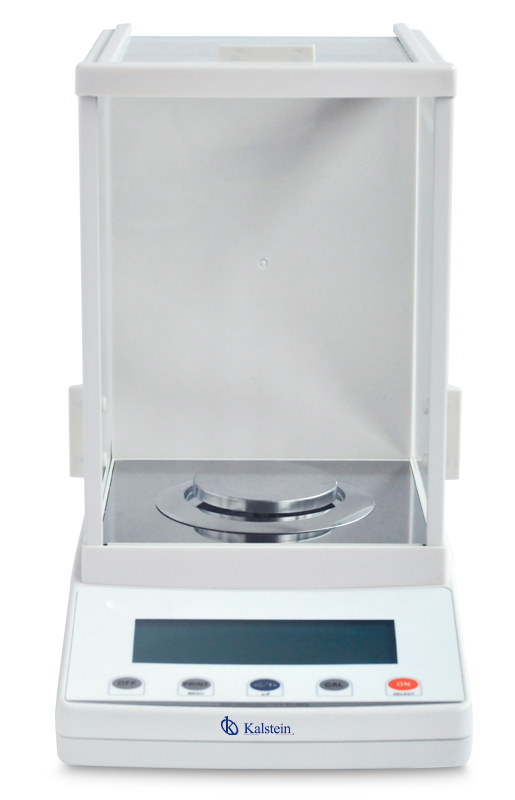
Analytical balances are a special type of balance that offers very accurate measurements, because they have a system capable of measuring minute differences in mass. They are manufactured within a transparent box with doors to isolate it from certain factors that may affect its operation. Therefore, due to the need for extreme precision in the measurements carried out, they must be in specific rooms for handling, with controlled environmental conditions.
What is the ion meter used for?
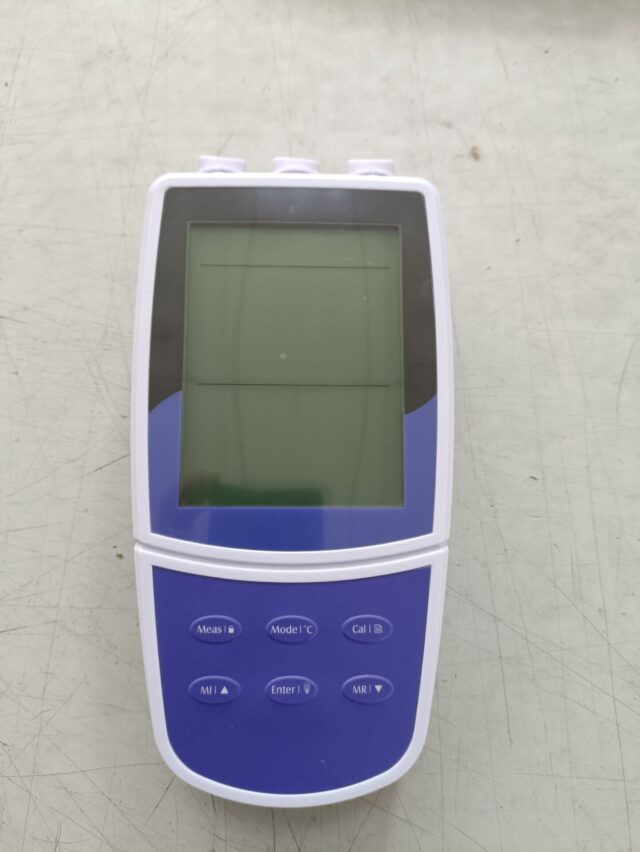
The ion meter is a piece of equipment used to detect the concentration or activity of ions in a solution. There are different types of ion meters; some are designed to measure a specific ion.
Laboratory rotavaporator, what are its applications
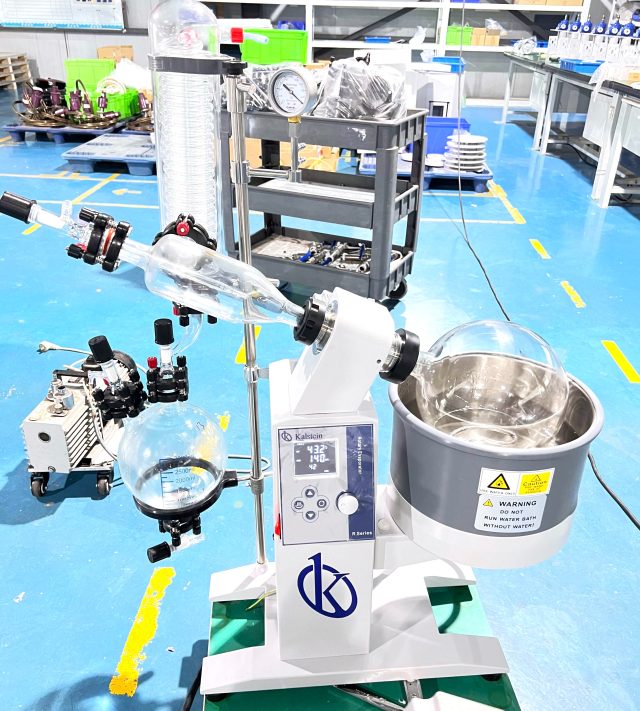
It is a necessary equipment to separate a solvent from asample, through distillation, and then recondense them to separate basic components from each other; this rotary distillation instrument associated with a water bath performs fractional distillations, it is mainly used to separate by means of evaporation at reduced and soft pressure the solvent that accompanies the solute of interest.
Laboratory homogenizer, what are the different types?
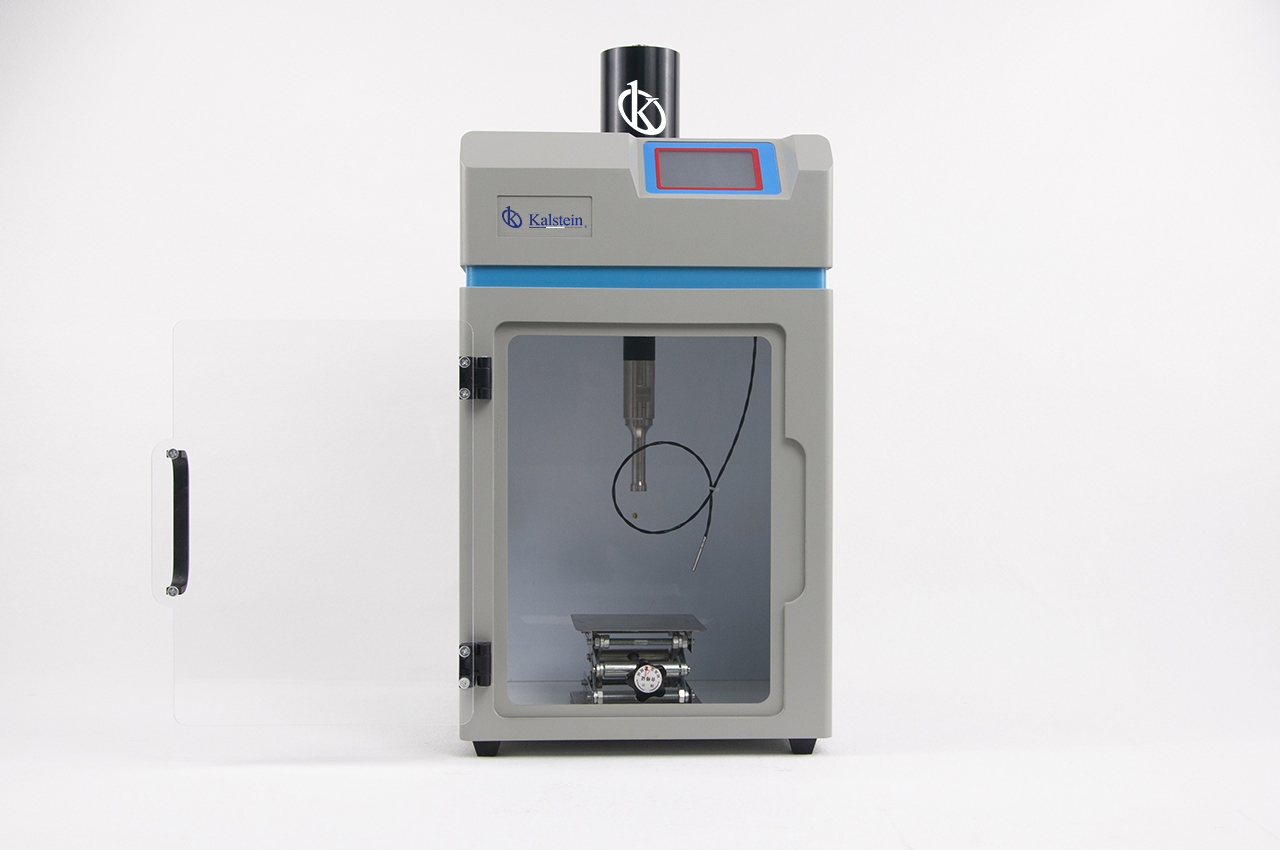
A homogenizer is a laboratory equipment that is used to carry out the homogenization process of different types of materials; such as tissues, food, plants and other biological or chemical elements. In laboratories, homogenization is generally a necessary step in the preparation of biological samples in laboratories, among them we can mention before the analysis of nucleic acids and proteins, or the study of cells, metabolism, bacteria, fungi, parasites and viruses. as well as in other scientific purposes.