
What is the pharadic effect?
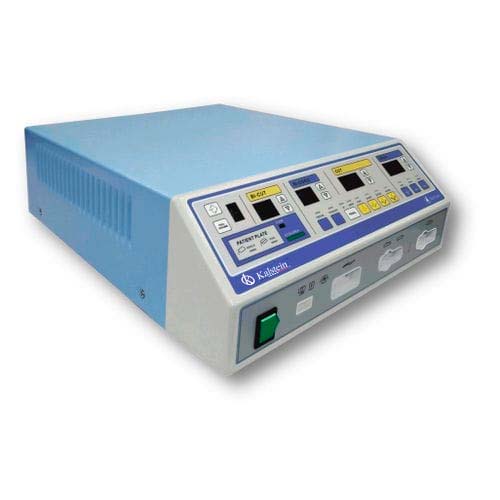
The pharadic effect consists of neuromuscular stimulation when frequencies are applied below 100,000 Hz, which can generate an electric shock in the patient and become life-threatening. This occurs because the low or medium frequency alternating current causes stimulation in muscles and nerves, which can cause tetany, ventricular fibrillation, extrasystoles and even death.
Why is a water bath essential in a laboratory?
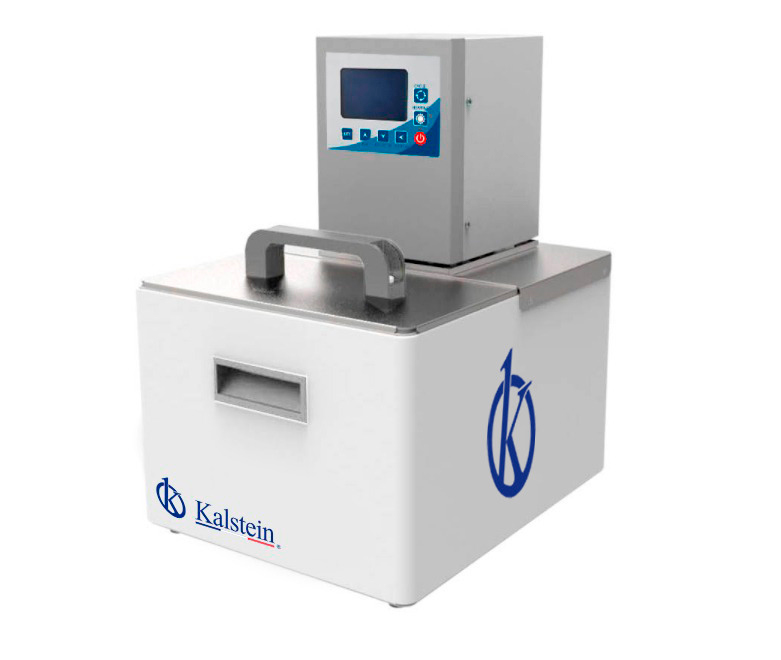
This equipment has varied and indispensable applications in the laboratories, thanks to its hot water container, where samples are incubated in water at a continuous temperature over a long period of time, among other useful applications is heating reagents, fusion of substrates or incubation of cell cultures; because of its high temperatures it allows certain chemical reactions to occur, and heat flammable chemicals instead of an open flame to prevent ignition.
Importance of Recirculation Baths in a Laboratory
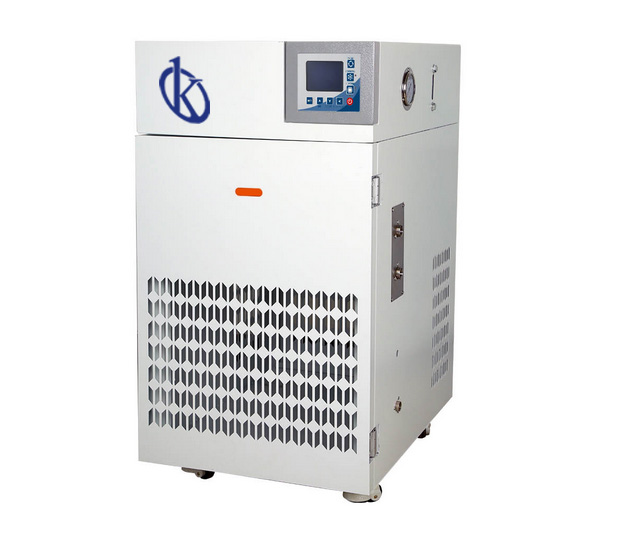
They are essential equipment in a laboratory, because they are used to contain water and with a fixed temperature that can be regulated; its importance lies in its use, since they allow to maintain a constant temperature while moving liquids; and according to the needs of the sample the recirculation baths can heat or cool the water; are the best solution for any application that requires placing multiple samples in a water bath, where it is necessary to ensure precise and effective temperature control directly from the samples submerged in the water, from the ambient temperature to 105 °C.
Spectrophotometers: care and maintenance
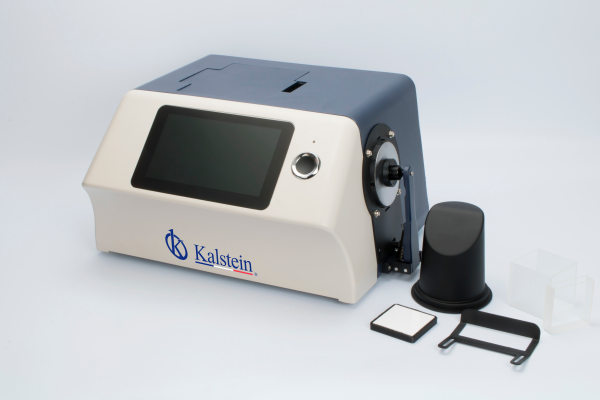
A spectrophotometer is an instrument used in laboratories to measure the absorbance of a sample, as a function of the wavelength of an electromagnetic radiation, and thus to know the concentration of the substances in a solution. This team consists of 4 main parts: a source, a monochromator, a beam splitter, a sample area, and a detector. It also has optical elements such as lenses or mirrors, which transmit light throughout the entire equipment.
How does electrophoresis work molecularly?
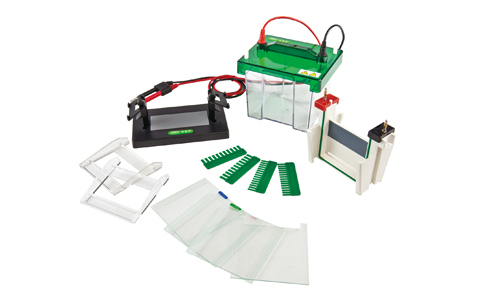
Functionally electrophoresis is a technique that consists of proportional migration of molecules through a gel or other type of porous matrix, depending on their molecular weight or size; movement generated by the electric field, i.e. we apply an electric current to molecules whether biological, DNA, protein or RNA, and they are separated according to whether they are larger or smaller.
Why is a microplate washer important?
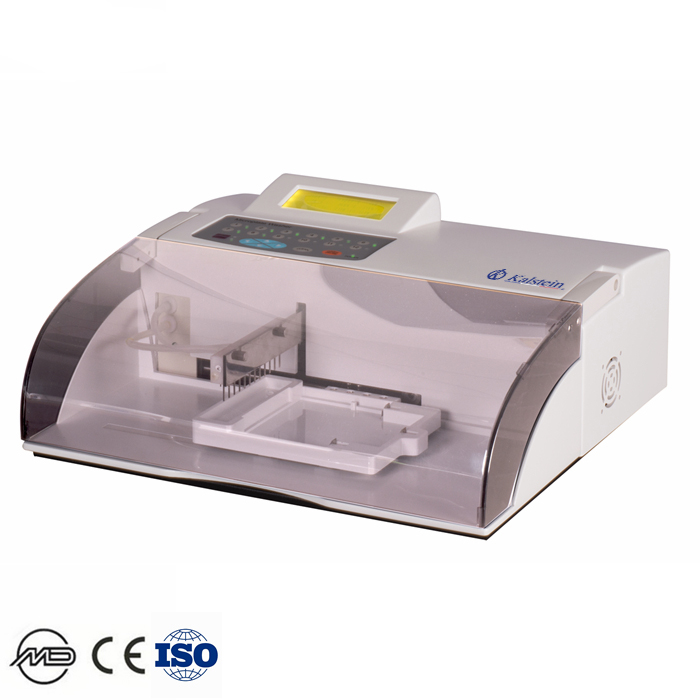
A microplate washer is a laboratory instrument used to perform washing operations during the ELISA technique. Washing is one of the crucial stages during the realization of the ELISA technique, because, to obtain the best results, i.e. the maximum relationship between the specific signal and the background signal, careful washing is essential.; special solutions are used, among the most used is the phosphate buffer solution or PBS.
When is it necessary to use a child’s baby cot or radiant heater?
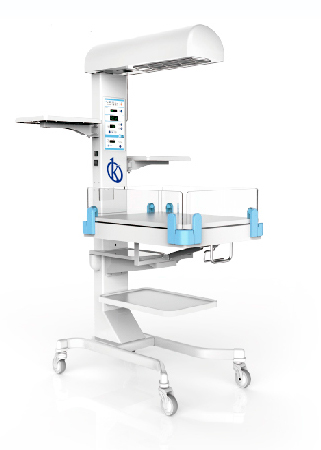
This equipment is essential to attend to various procedures, within the maternity ward, clinical studies, intensive care rooms, neonatal, surgery; thanks to it, the control of the thermal environment of children in critical condition in an open environment is guaranteed manually and by servo control, providing radiant heat.
What are the care and maintenance needs of a child radiant heater?
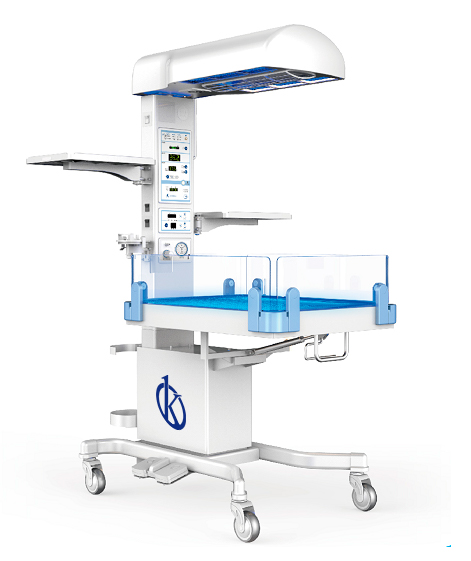
A radiant infant heater is a medical equipment commonly used in pediatrics and neonatology services, specifically in neonatal intensive care units, to provide newborns with a comfortable thermal area that maintains their body temperature from 36 to 37 degrees. This equipment works through a servo control or servo mechanism and heat transfer is produced by thermal radiation.
Is a child radiant heater important?
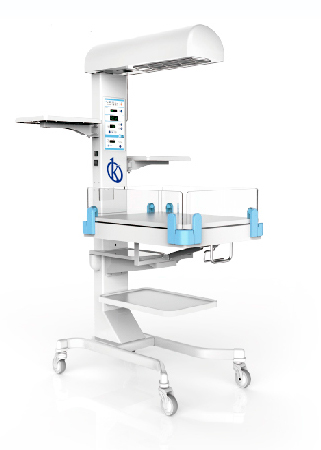
A child radiant heater is a unit used to provide radiant heat to newborns in a comfortable thermal area that maintains their body temperature from 36 to 37 degrees. Newborns who are placed in radiant heaters are usually premature or low birth weight patients who have thermo-regulation problems and are therefore unable to maintain thermal balance, and newborns who may present some critical condition that require constant intervention by medical personnel.
Patient Monitor: How should it be interpreted?
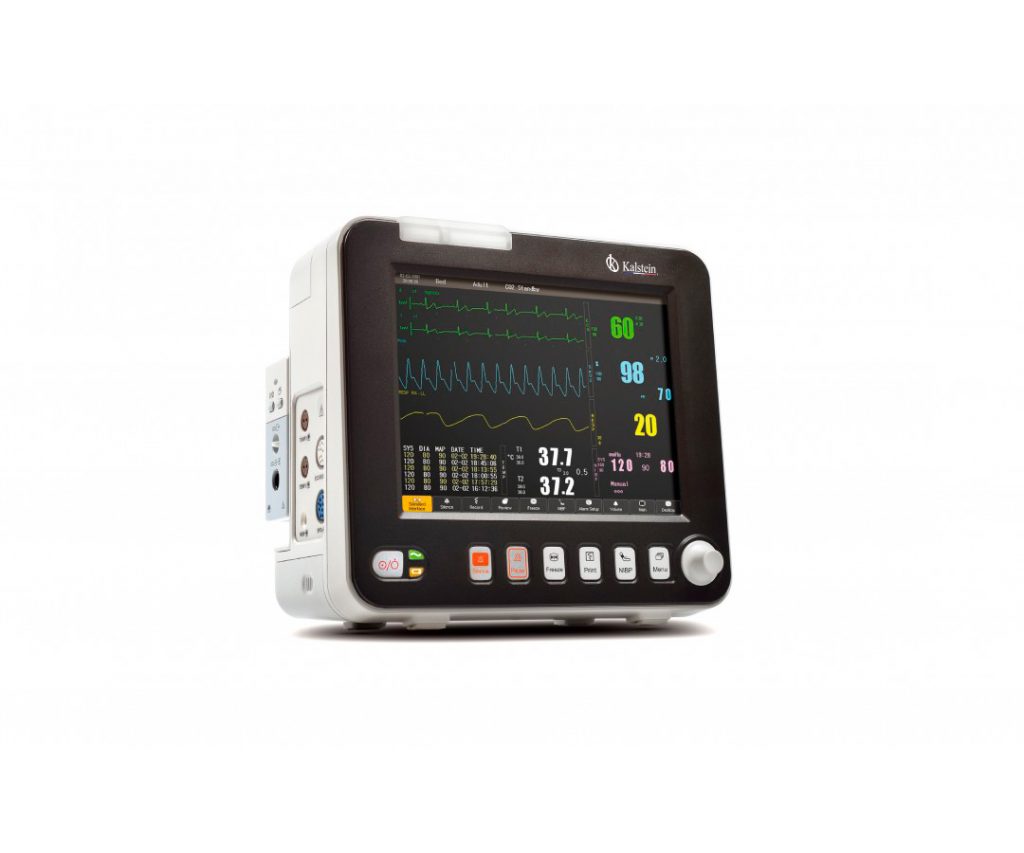
A patient monitor is a medical device that allows monitoring the vital signs of patients in critical condition and should be subjected to constant surveillance by medical personnel, in case of any alteration in the values of these; vital signs that are recorded with this equipment are: heart rate (ECG), respiratory rate (RESP), non-invasive blood pressure (NIBP), pulse (PR), oxygen saturation (SpO2), temperature (TEM), CO2 and invasive blood pressure (PAI).