
What is the function of a colorimeter?
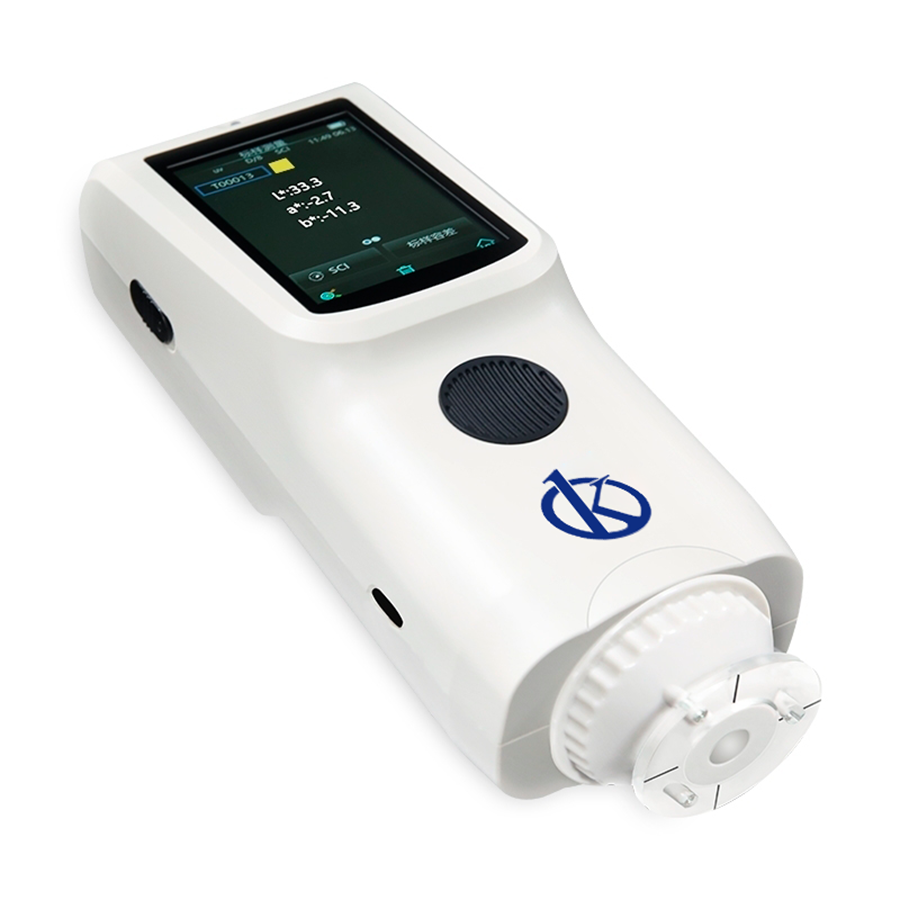
A colorimeter is an instrument used to measure and analyze colors. In other words, a colorimeter makes it possible to determine the exact composition of a color by providing precise and very objective measurements of the analyzed color, thus providing an accurate measurement of the intensity and hue of the color, which makes the colorimeter a frequently used instrument in colorimetry, a branch of science that studies colors and, especially, how to measure them.
Laboratory deionization systems: How does it work?
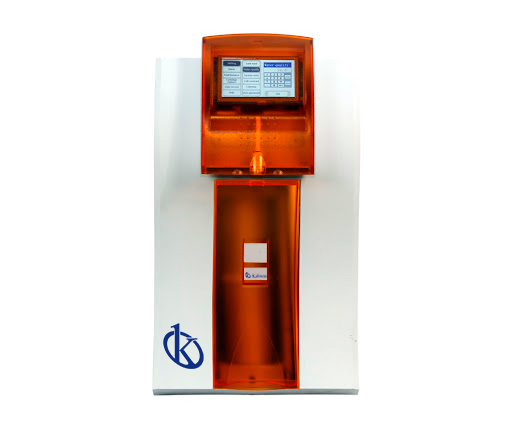
A water deionizing system is a water purification equipment used in laboratories, with direct connection to the network and continuous flow, which performs a water filtration through mixed bed resins by ion exchange. In other words, cation and anion exchange resins are intimately mixed and contained in a single pressure vessel. As a result, the water quality obtained from a mixed bed deionizer is considerably high.
What is a perinatal care team?
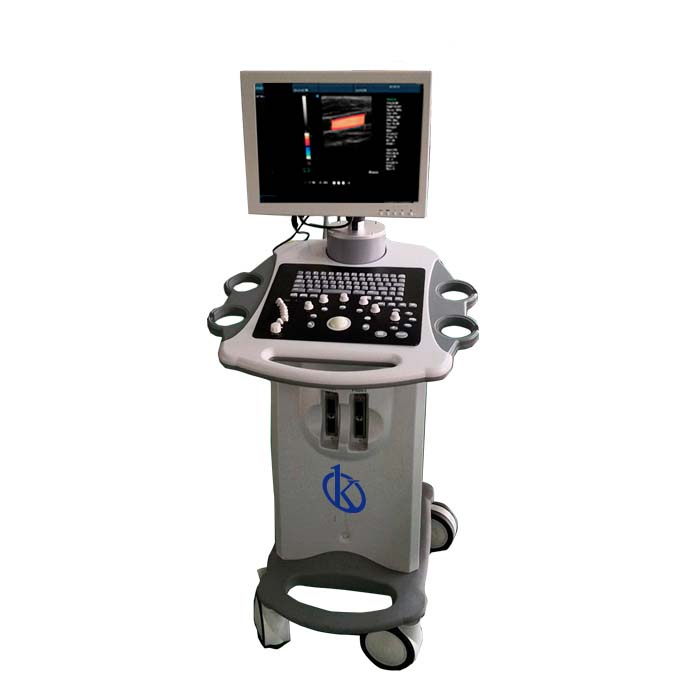
Maternal control is a necessary program in the provision of health services, so it is constantly carried out in the improvement of care to pregnant women. Perinatal diagnosis and management of rare diseases is a multidisciplinary activity, based on fetal images obtained by ultrasound or magnetic resonance imaging and fetal chromosome study.
What are the differences between neonatal incubation and children’s radiant tables?
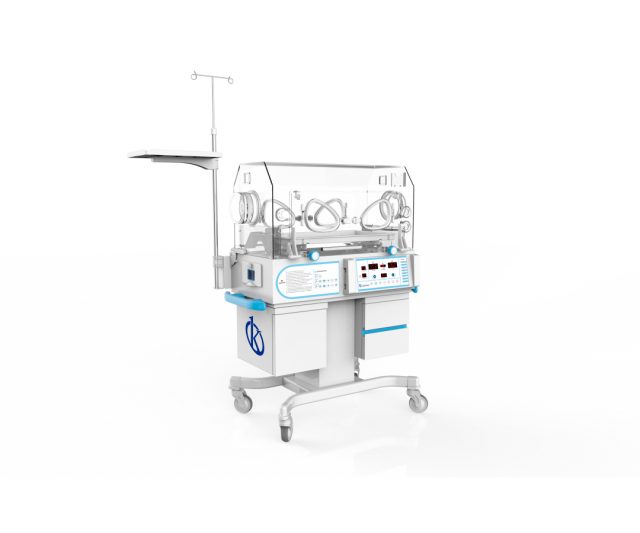
Neonatal incubators and radiant tables for children are medical equipment specialized in heat transfer to the neonate, where their management is simple and they have mechanisms that control the amount of heat that has to be emitted by means of a servo-control temperature system, which transmits more or less heat depending on the temperature that is programmed and required by the patient.
How are operating lamps used?
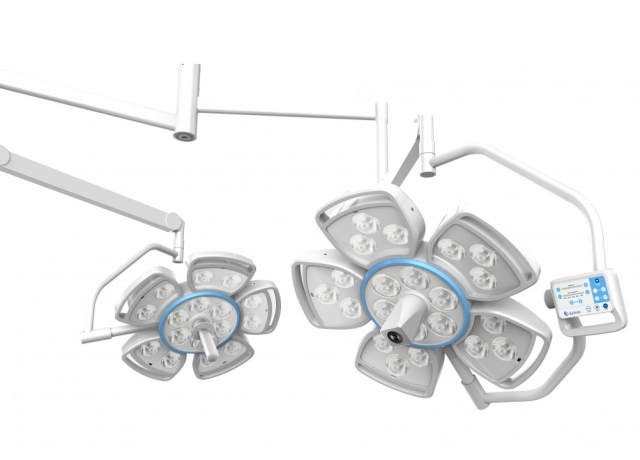
Operating room lamps are used to optimize and obtain a maximum clear display within the operating field, with the appropriate luminosity, allowing small objects to be perceived. In addition, they are made with incandescent type lights or LED lights, full of gas and halogen, to avoid the problem of radiation, caused by excessive heat avoids discomfort in the surgical area.
Pathologies that are detected with an electrocardiograph?

The objective of the electrocardiograph is to search for any pathology in the heart and the effects of treatments and devices on the main organ of the circulatory system, in addition it allows to discover and study diseases such as cardiac arrhythmias, acute episodes of coronary disease and myocardial infarction. It can also be used in preoperative investigations, especially in surgery of medium and high complexity, if there are risk factors such as ischemic heart disease, diabetes, stroke, heart failure or renal dysfunction.
What tests are performed on a coagulation analyser?
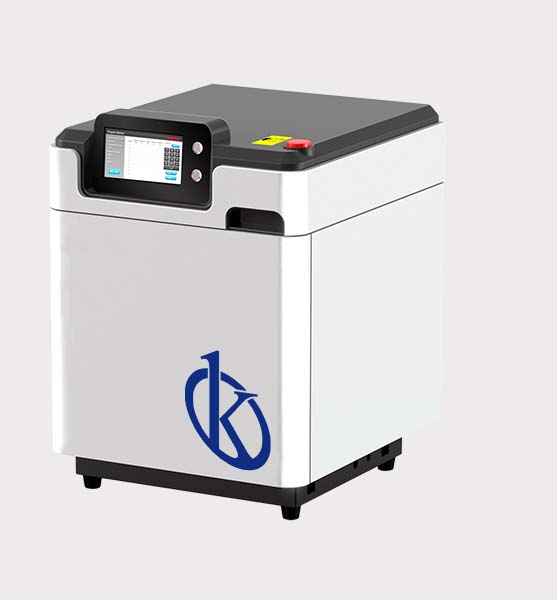
Thanks to coagulation analyzers, effective tests are performed, which are responsible for responding to clinical diagnoses, to substantiate and guide the analyzes in patients. Since, the most common tests are, the activated partial thromboplastin time (aPTT) that evaluates the intrinsic pathway; Prothrombin Time (PT) which assesses the extrinsic pathway and Thrombin Time (TT) which assesses the common pathway.
What tests are performed on an electrolyte analyser?
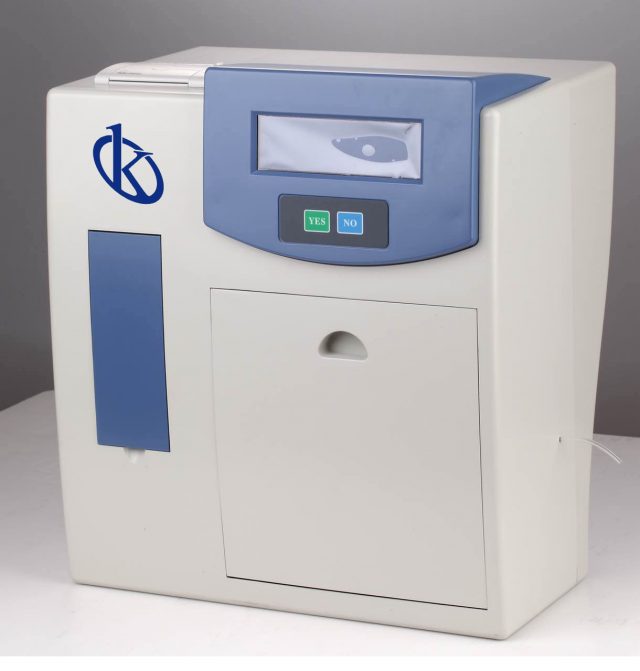
It is valuable to study in patients, electrolyte levels, since they are responsible for measuring the amount of minerals, with electrical charge that provide information, about the increase or decrease of liquid and acid base balance in the body, in addition to transport nutrients to their cells, eliminate waste from said cells and function to their nerves, muscles, heart and brain in the proper way.
Laboratory Incubators: How Do They Work?
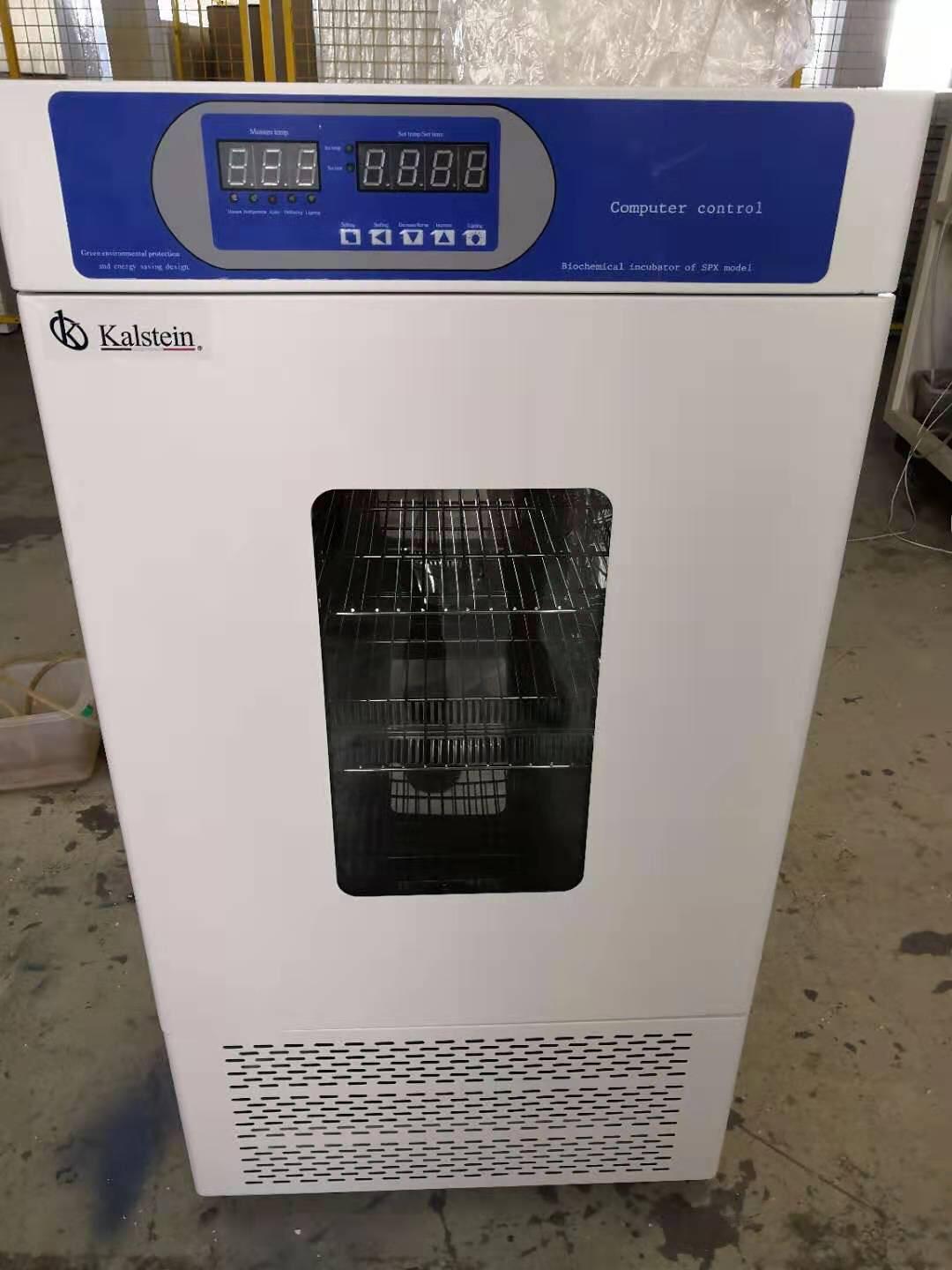
An incubator is a laboratory equipment that allows to carry out a large amount of experimental work, because with it microbiological and cell cultures can be maintained thanks to its ability to achieve the optimum temperature and humidity for it, as well as the levels carbon dioxide and oxygen.
What is a Microwave Digester?
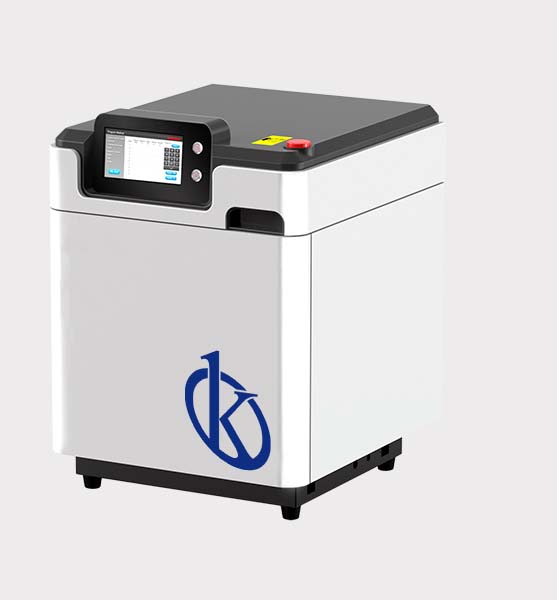
They are equipment that have a digestion system, which is used to mineralize the solid samples from which we want to obtain reliable information at elemental level, a spectroscopic technique is used, and requires that the sample to be examined is in liquid state, so if the requirements of the analyzes require preparing the sample for analyzes of food, textiles, dishes, wastewater treatments, cosmetics and other applications, you need a microwave digester, and undoubtedly the best and most reliable are the YR KALSTEIN series.