
How many types of Microplate Washer are there?
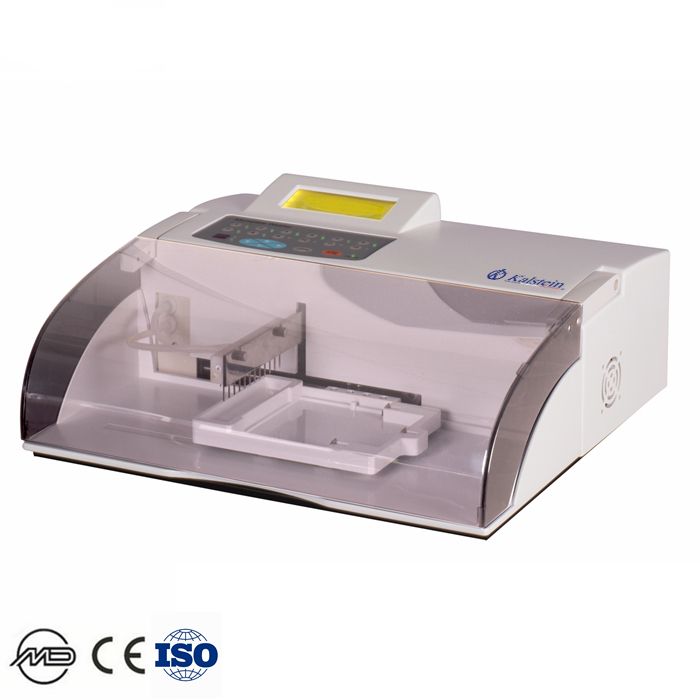
The microplate washer is a device that is usually used in laboratories, to remove any substance that has been adhered to the equipment.
The device, is used for biochemical study tests, and is suitable for washing wells with different bottom shapes, type U or V, and the unit, ensures the maturation of solutions, by combining suction – dispensing liquid and soaking, for a certain period of time.
What are the steps for using and calibrating a conductivity meter?
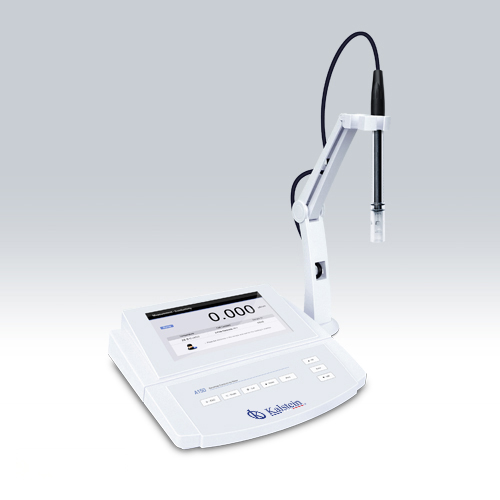
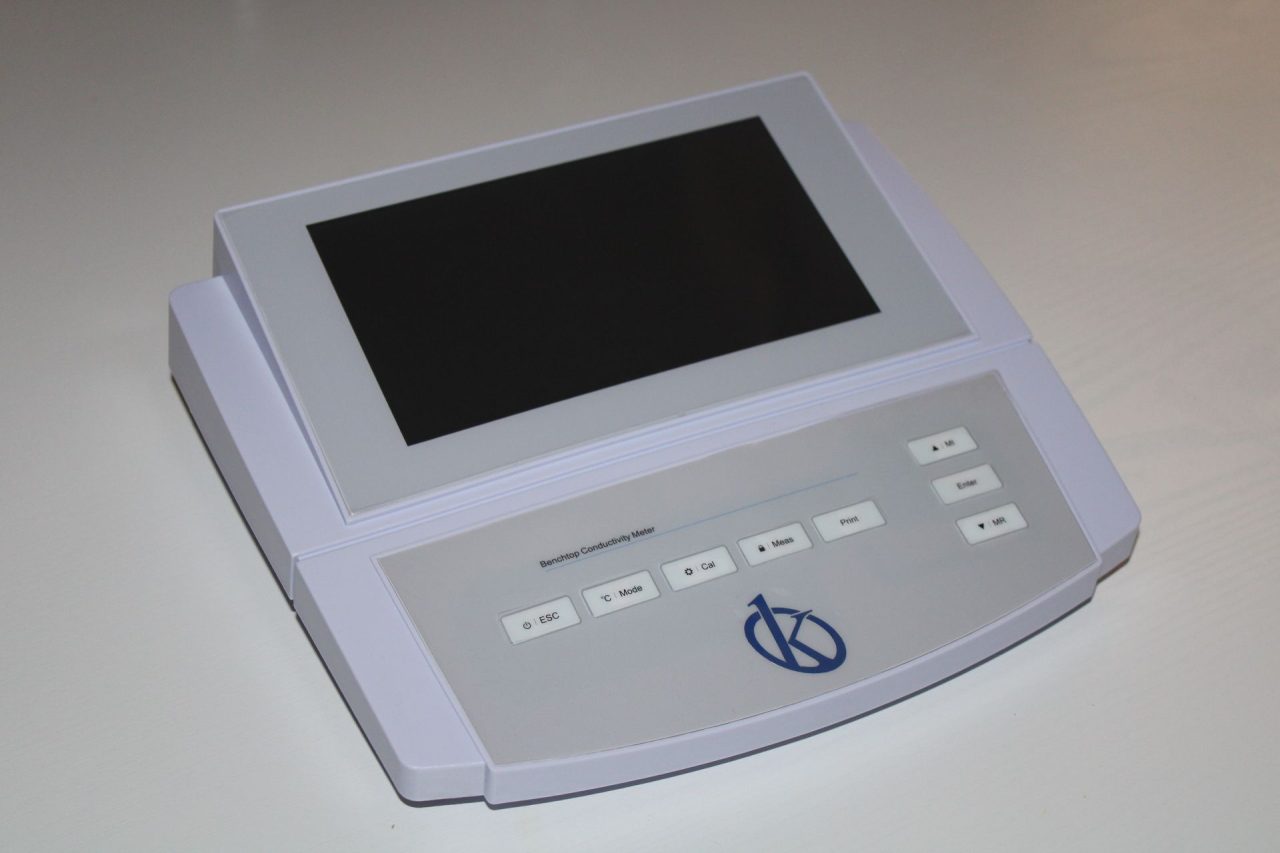
The importance of this equipment in industrial and laboratory applications requires that its use be specifically recommended by the manufacturer, to ensure its correct operation, taking into account that calibration of the conductivity meter regularly offers great benefits when using it and obtain reliable results.
What are the differences between a Steam Autoclave and a Gas Autoclave?
The autoclave is an equipment that works by high pressure, in order to transfer heat to the products placed inside it and cause sterilization. Invented in 1879 by Charles Chamberland, the first autoclave was capable of a pressure cooker. But the autoclave has evolved a long way, from basic machines to computerized engineering masterpieces of sterilization.
What are the Functions of a Bacti-Cinerator?
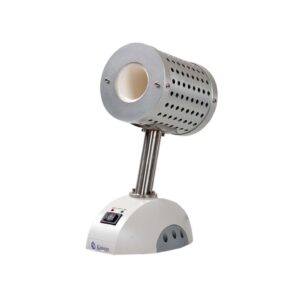
The use of lighters was the ideal equipment for sterilization within the laboratory. But today, with the existence of the Bacti-Cinerator, it became the appropriate instrument to disinfect the handles used in laboratories.
Light Box Color Evaluation Cabinets: What is your utility?
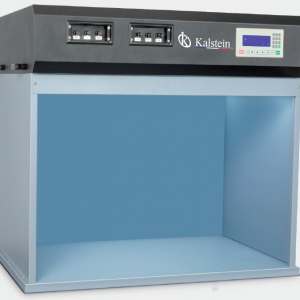
The color evaluation cabinet is a tool that allows simulating from different light principles, the objective evaluation of shades at any time and from any perspective. The cabinets are equipped with 5 light sources, which have the consistency of light sources and provide excellent viewing scenarios, to take reliable critical color measurements under constant lighting.
What are the Main Applications of Climate Chambers?
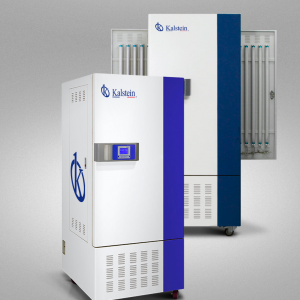
Climatic chambers are units used in laboratories, research centers and universities to carry out studies or tests and check the behavior, durability, quality of products and materials exposed to these climatic conditions.
What is an Atomic Force Microscope?
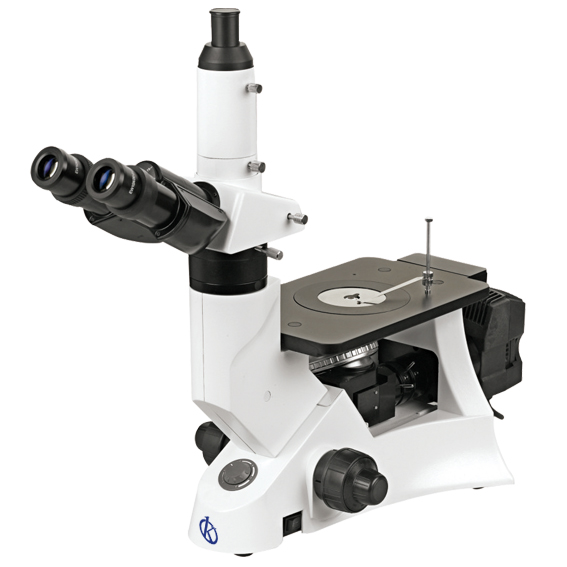
It is a mechanical-optical laboratory equipment, designed to show forces of order of the nanonewtons, for the determination and appreciation of various extensions of the sample, capable of continuously exploring its appearance by means of a probe or sharp tip of pyramidal or conical shape.
What is an X-Ray Microscope?
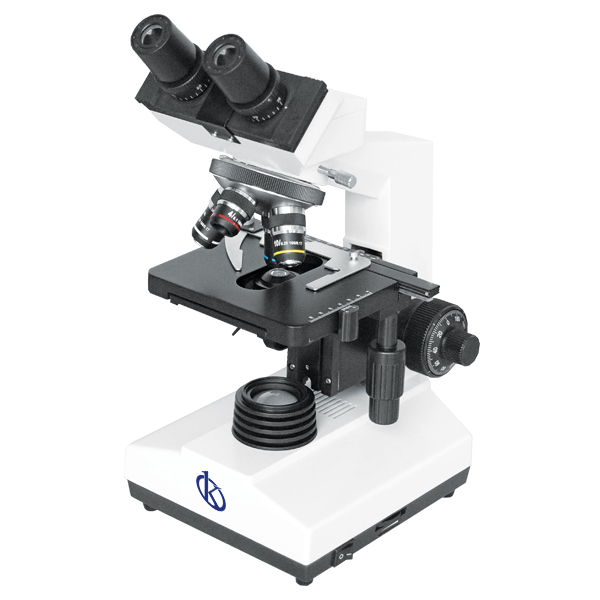
Initially, microscopes have been commercially available for almost 70 years and exist today all over the world, being handled in both biological and non-biological materials, therefore, every advancement in microscopic techniques has linked scientists to innovative configurations about the work of living organisms and the nature of matter itself.
Documentation of electrophoresis gels: How do they work?
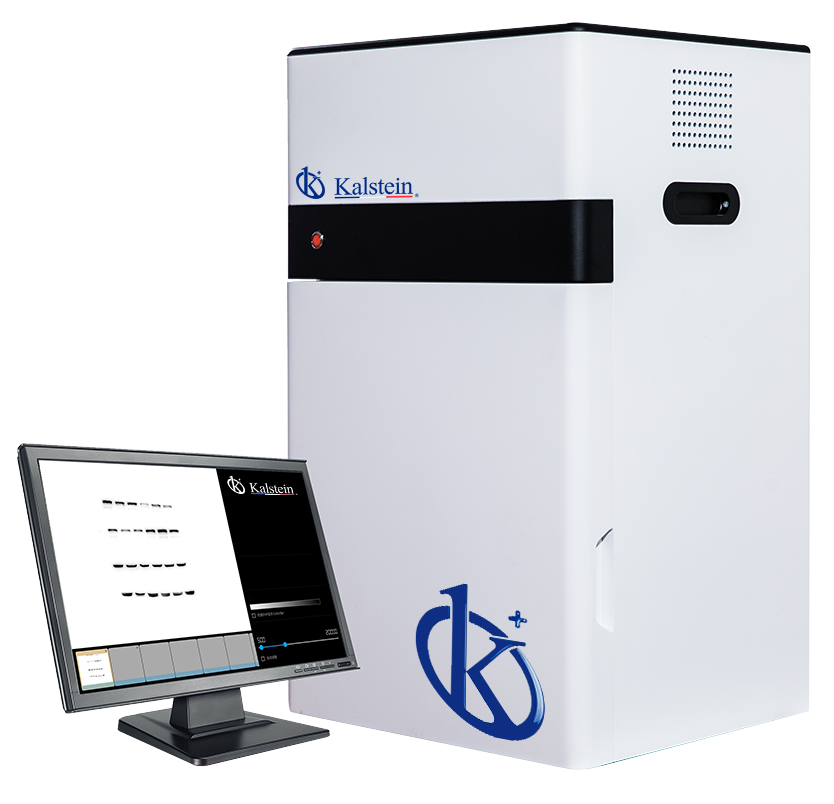
A documentation system of electrophoresis gels consists of a composite equipment that is used to observe, take photos and analyze the bands of the gels that are generated from electrophoretic runs. Innovative equipment with state-of-the-art technology is designed to produce sharp, high quality images, which in turn provides better analysis and provides the user with a results backup system. Using a gel documentation system saves reagents and time.
What is a recirculation chiller used for?
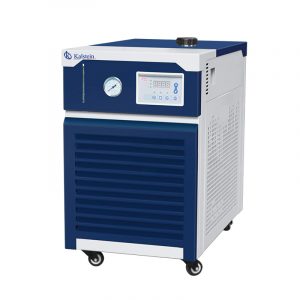
A recirculation chiller is laboratory equipment that is a high-efficiency closed cooling system used in various external cooling applications. These devices are especially ideal for laboratory applications that require continuous use.