
What is a hot plate?
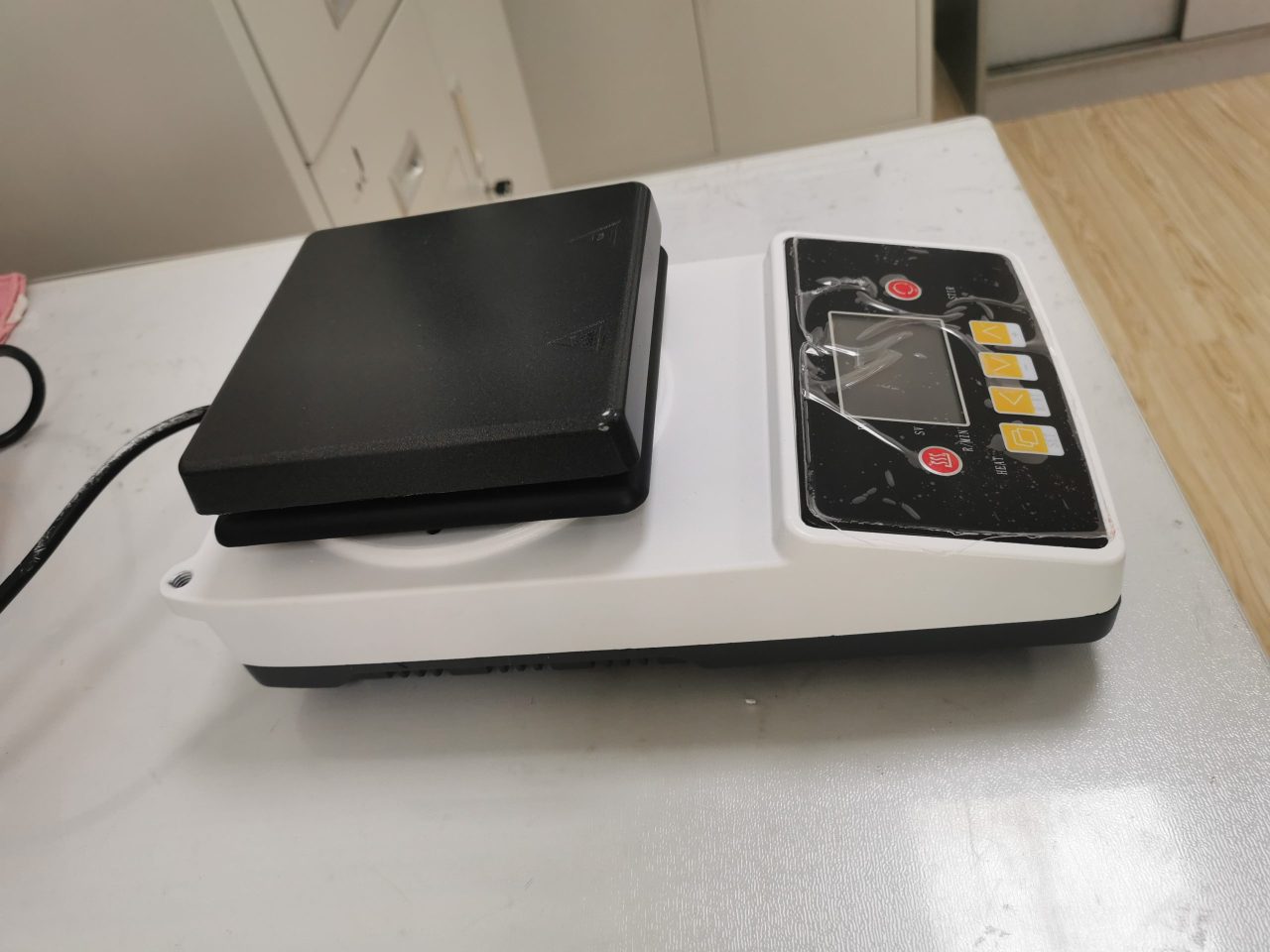
The heating plate is a laboratory instrument desktop and portable comprised electric heating elements and corrosion resistant to chemical and mechanical attacks. It is a device useful for heating fluid containers, glass materials, or contained within them, in a uniform and controlled.
Shaking hot plate and hot plate
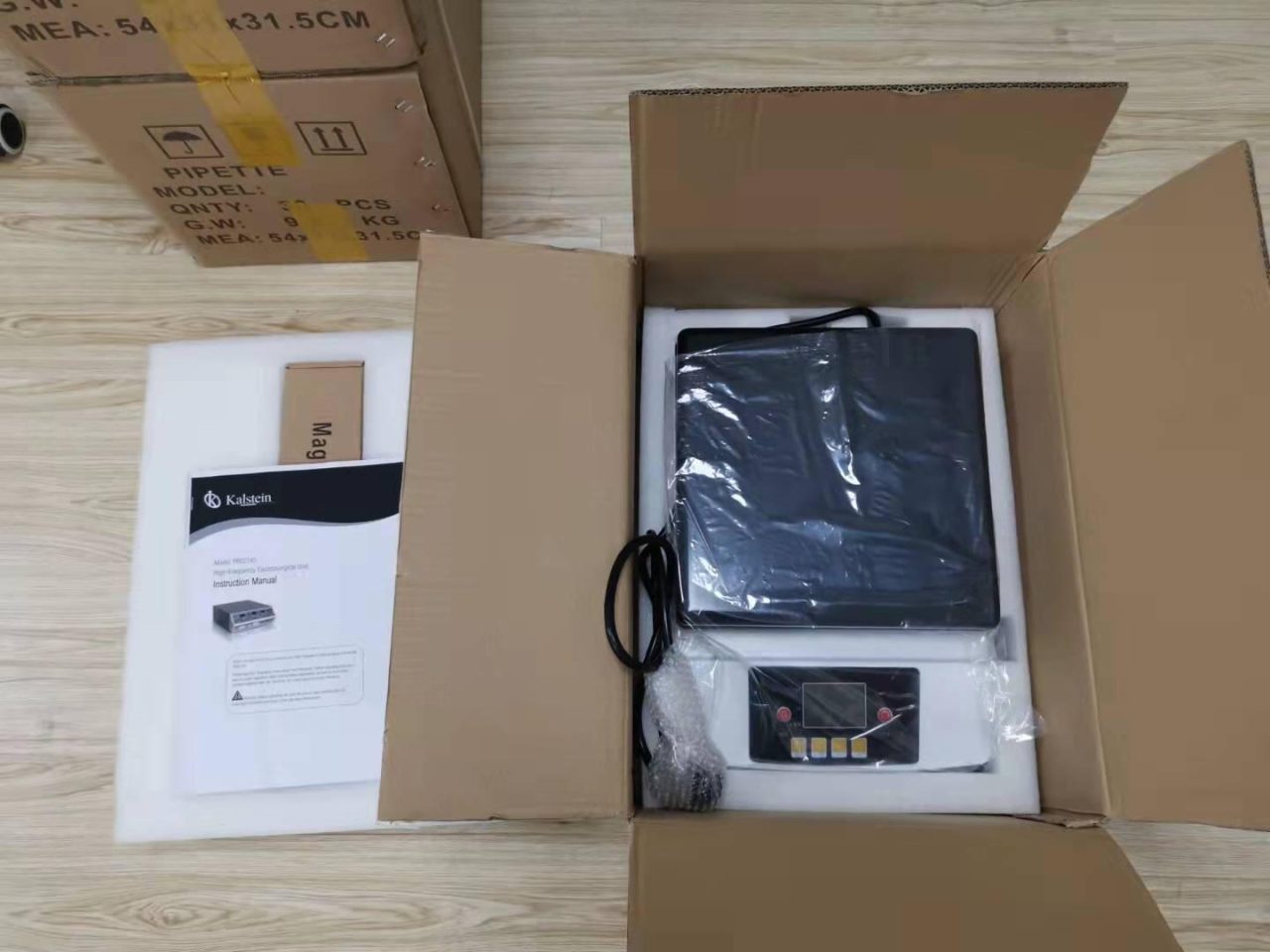
The heating plate is benchtop laboratory equipment whose function is to heat containers with liquids in a controlled manner and is used for boiling processes, evaporation of liquids, distillation, among others.
What is a Heating and Stirring Iron?
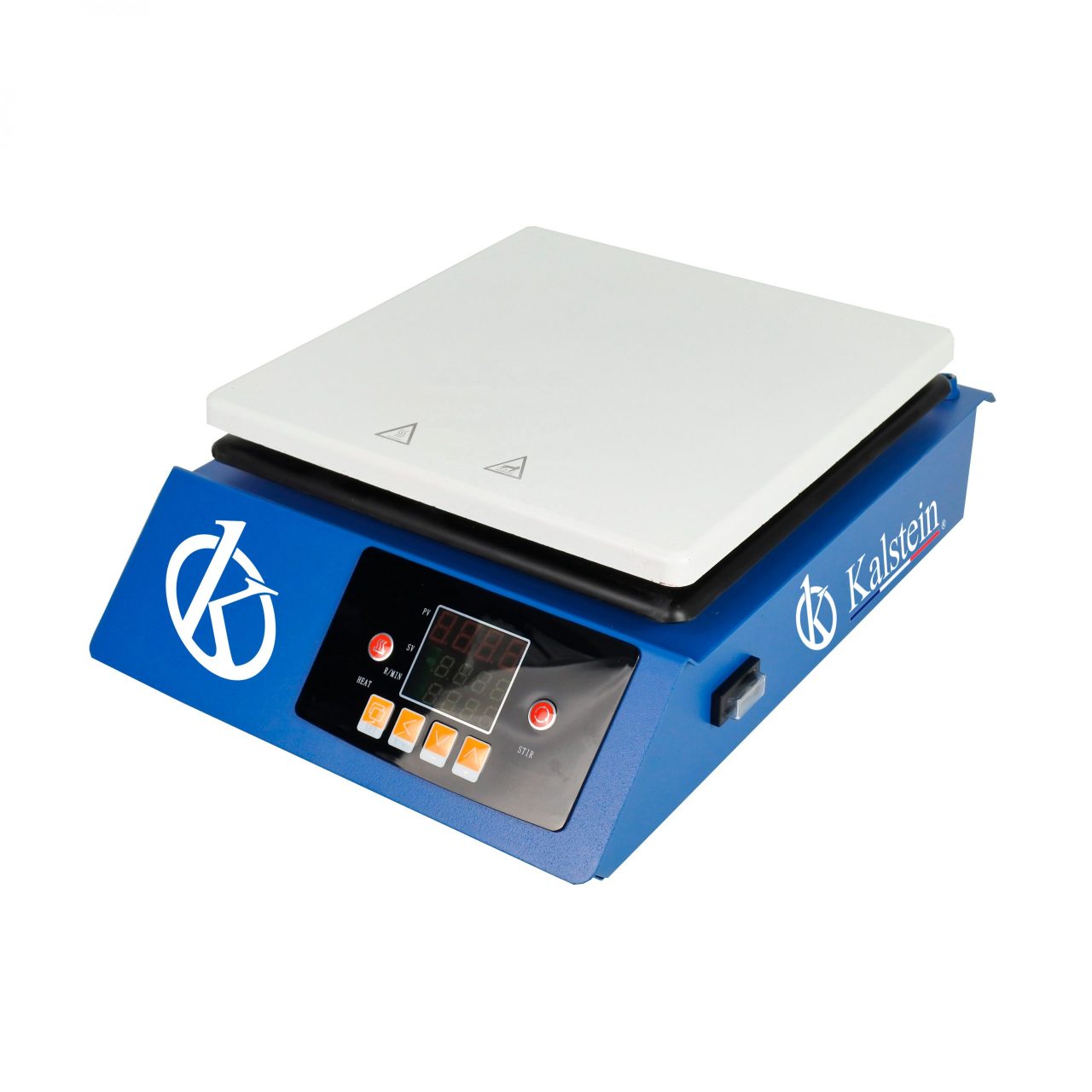
The heating and stirring plate is the ideal equipment for laboratory practices, able to offer precise temperature control, exceptional safety for homogenization, with the option of heating liquid samples of low viscosity, and for assistance during titrations, which provides uniformity, adapted to multiple processes, requiring temperature and stirring frequently used in the laboratory.
What are multi-station heating plates?
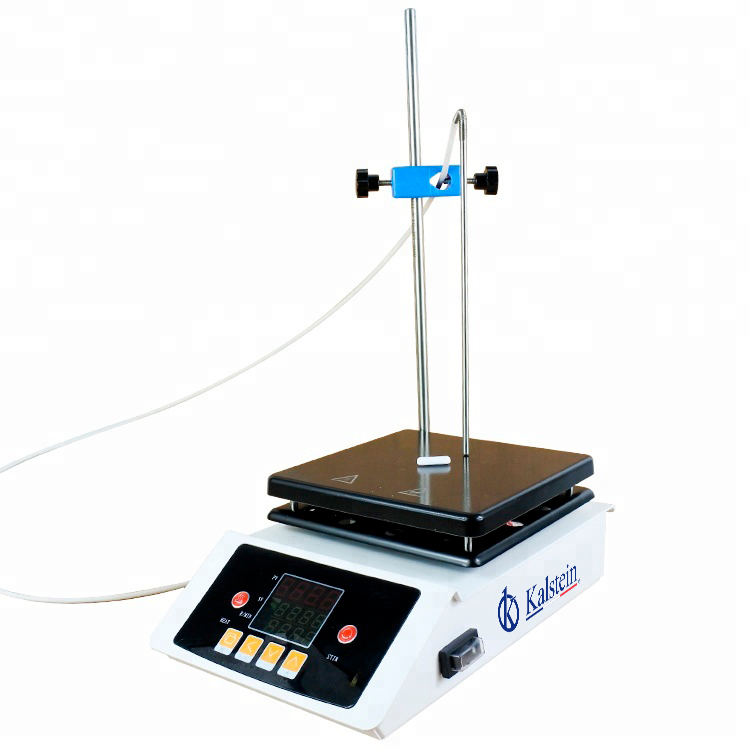
The multi-station heating plate is a benchtop and portable laboratory instrument that adapts to multiple processes that require temperature and shaking frequently used in the laboratory, it can be available in 2, 4 and 6-station multi-station models. That is, it is a device that provides simultaneous heating and stirring options, totally ideal for mixing several chemical substances at the same time, this instrument is used to mix solutions from water to 50% glycerin together with a magnetic bar in small open containers or closed. It is an ideal equipment for laboratories that need to do multiple processes.
Laboratory ovens and muffles: What are the differences and applications?

It is an essential equipment in laboratories and is also known as drying oven; is used for drying and sterilizing glass and metal containers; now, the muffle is also an oven, but usually intended for cooking ceramic materials and for smelting metals through thermal energy., in KASLTEIN we have the different models of ovens and muffles to avoid confusion, you should follow the link HERE
What are the differences between Drying Ovens, Muffle Ovens and Laboratory Incubators?
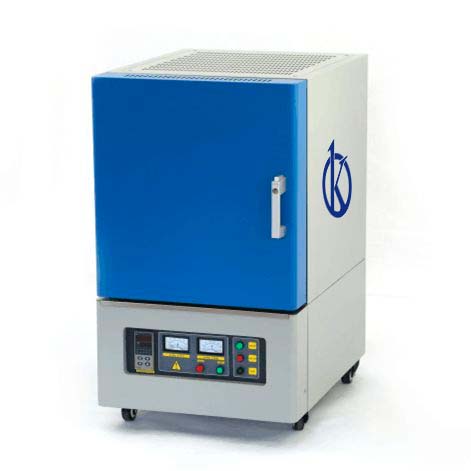
Within the laboratory and industrial sectors, there is a wide variety of furnaces of different types, which adapt to the applications they require, and their uses will depend on the maximum temperature at which they wish to work.
Muffles in which type of laboratory are used?
Muffle is a equipment used for high temperature tests for various purposes, such as heat treatment, calcining tests, incineration of organic and inorganic samples and cooking of ceramic materials, among others.
How many types of muffles are there?
Muffles are versatile units capable of incinerating materials and melting metals, through thermal energy. They are used within laboratories, for the calcination of substances, drying of samples, control processes, heat treatments, hardening and cleaning of injection molds.
Laboratory Muffle Furnaces: When are they used?
Muffle furnaces are used as a laboratory instrument to dry and sterilize glass and metal containers from high temperatures for various purposes, such as heat treatment, calcination tests, incineration of organic and inorganic samples and cooking of ceramic materials, among others. It is a very versatile and useful equipment in the industry. This furnace, are used when it is required to reach temperatures higher than 200 °C, in which inside the muffle furnace, only refractory laboratory materials can be used.
What are the steps to use a muffle?
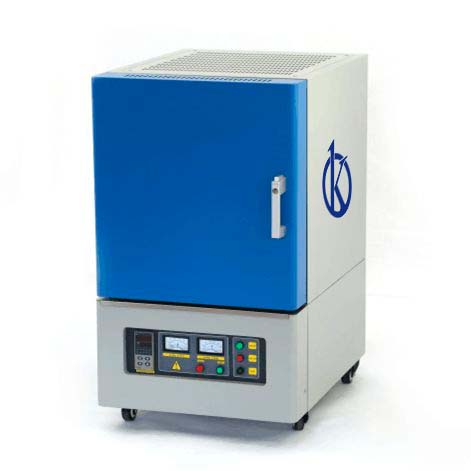
A muffle is an oven used in laboratories. It is a laboratory equipment specially designed for procedures requiring uniform exposure to very high temperatures. In other words, they are used for substance calcination, substance drying, casting and control processes, as well as for heat treatment of hardening and cleaning injection molds.