
The Best Laboratory Solutions: Kalstein Microwave Digestor
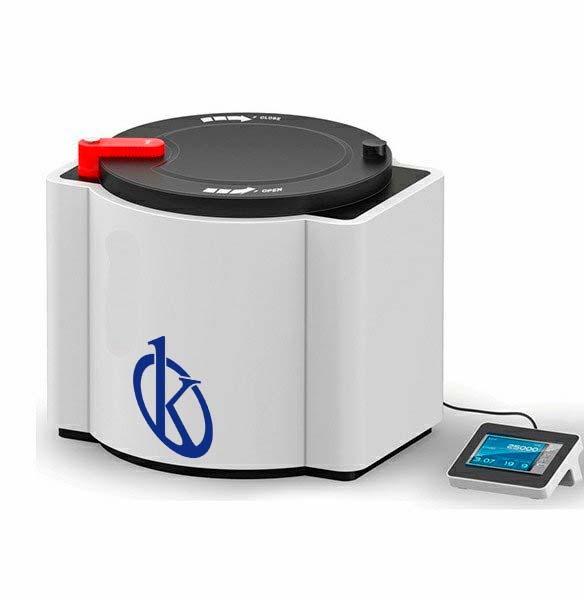
The microwave digestor has become an indispensable tool in any laboratory that aims to achieve efficiency and precision in its processes. This device, which allows immediate and homogeneous digestion of samples, saves time and improves the quality of results. As a leading manufacturer of laboratory equipment, Kalstein has developed a microwave digestor with unique features, capable of satisfying the most demanding needs of science professionals.
Innovation in the Operating Room: Types of Veterinary Surgical Equipment
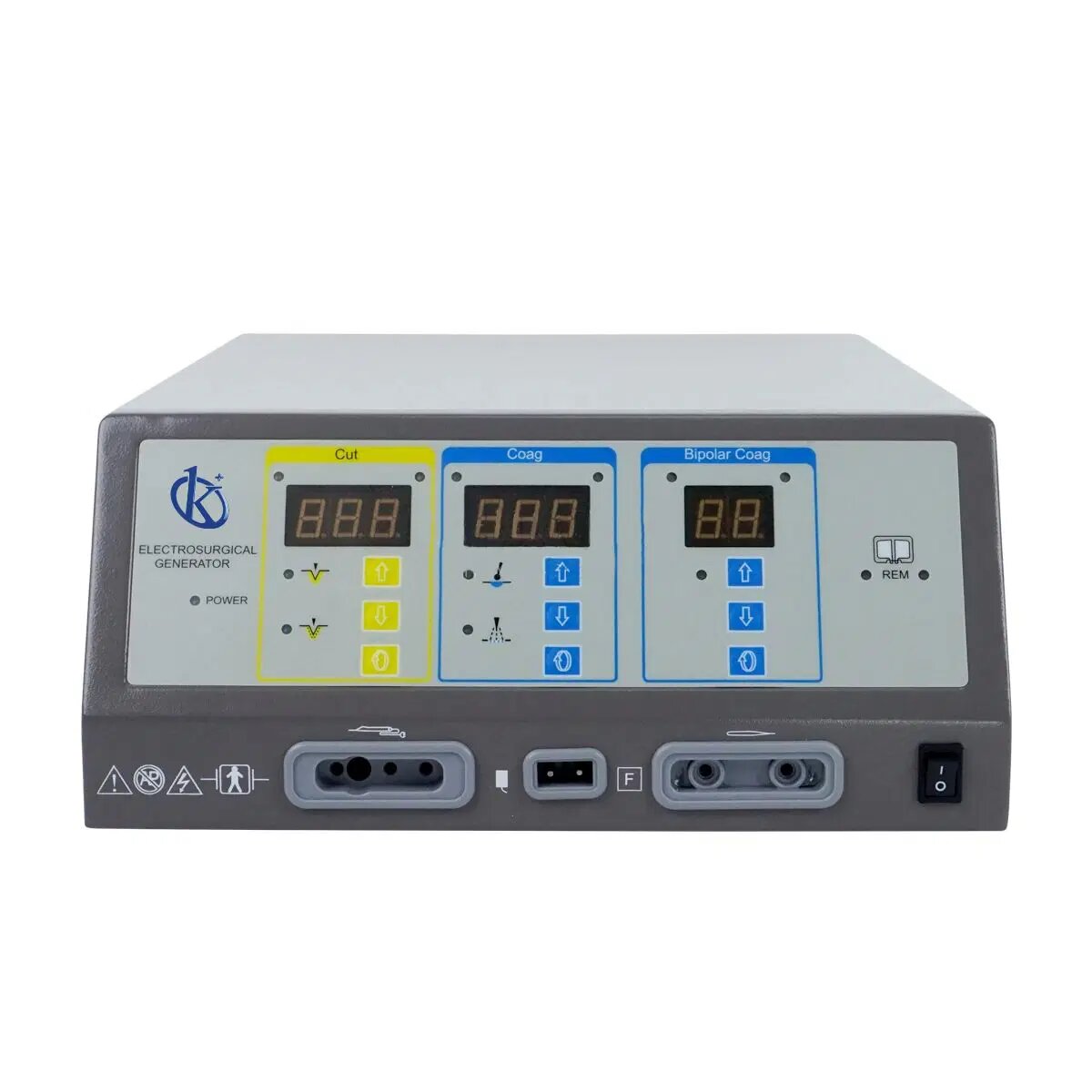
Veterinary bone drills are tools consistently mentioned in the veterinary surgical sphere due to their remarkable efficiency. This equipment, commonly supplied by reliable manufacturers such as Kalstein, shows powerful precision in bone drilling. Its complex design ensures the protection of surrounding soft tissues, thus minimizing the chances of iatrogenic injuries. Despite its relevant role, the purchase of this device may entail a considerable cost, emphasizing the need to seek affordable prices.
The latest advances in laboratory testing for genetic diseases.
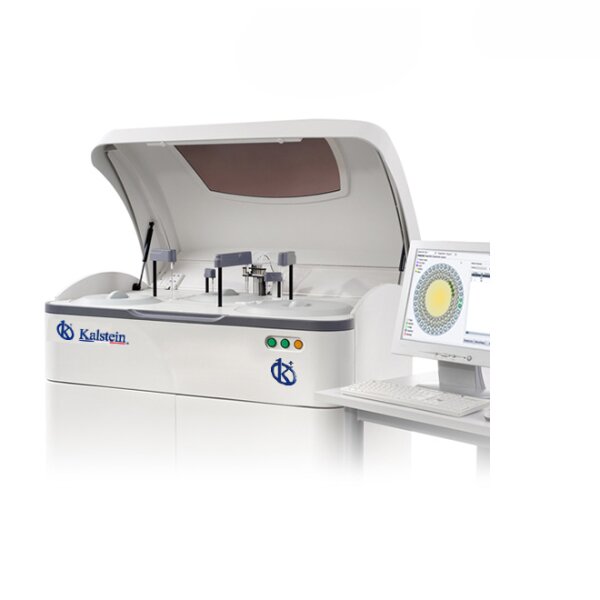
The landscape of genetic disease diagnosis has seen unprecedented advances in recent years. Accuracy and speed in detecting hereditary pathologies is now a matter of days and even hours, thanks to the sophistication of genetic tests.
Improving Veterinary Surgical Interventions
Veterinary operating tables are an essential component in any clinic or hospital that offers animal surgical services. However, despite their importance, they are often relegated to the background, leading to problems that could have been avoided. This article will focus on identifying the common issues associated with the use of veterinary operating tables and how to prevent them to enhance efficiency and performance in the surgery room.
The Impact of Veterinary Radiography on the Surgery of Small-Sized and Exotic Animals
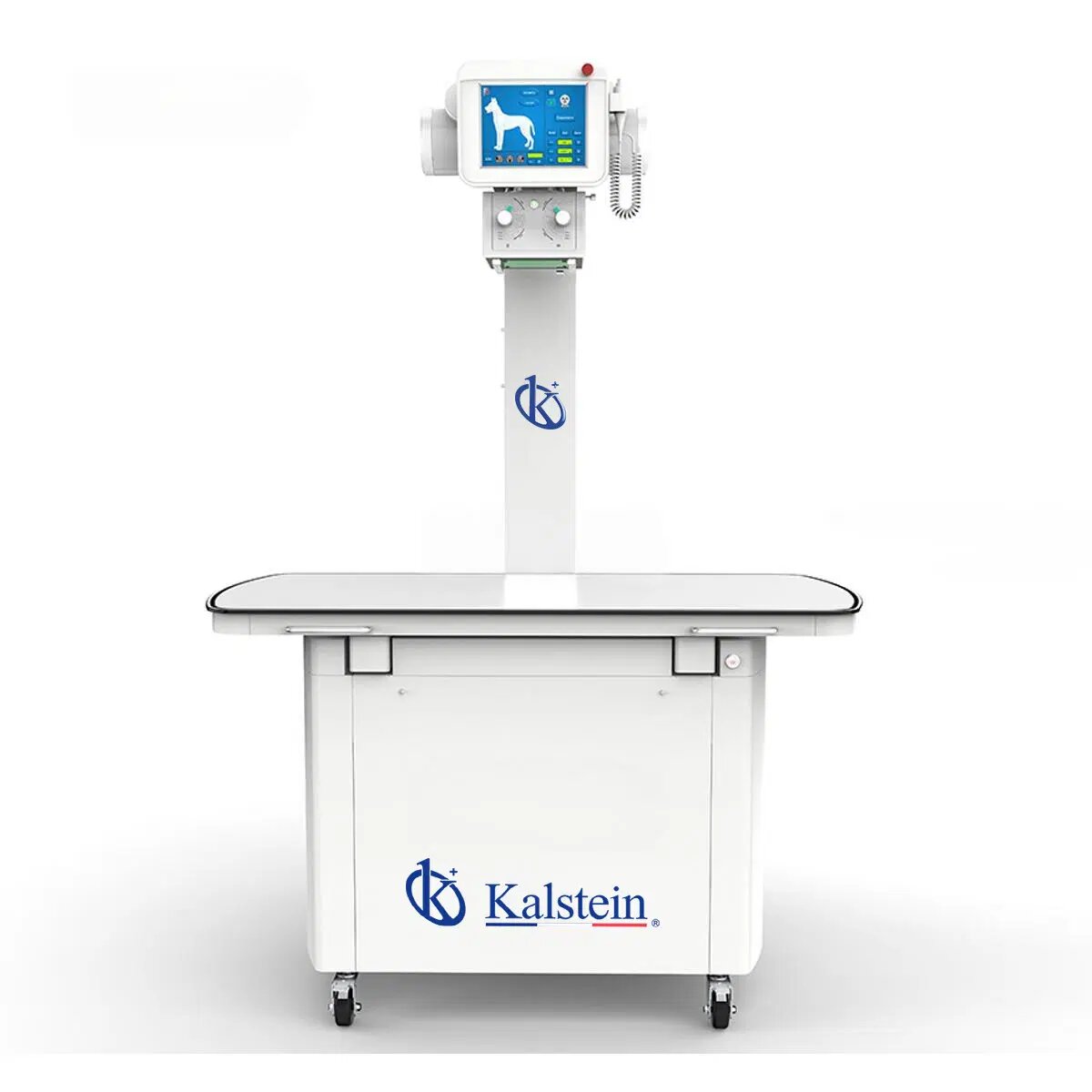
Advancements in radiology have transformed veterinary medicine. Companies like Kalstein, a high-quality manufacturer of veterinary medical equipment, have shown a strong commitment to drive this transformation. Innovative medical devices designed by Kalstein and available for purchase at reasonable prices have ensured significant improvement in the animal diagnostic and treatment landscape.
Adoption of Color Doppler in Veterinary Medicine
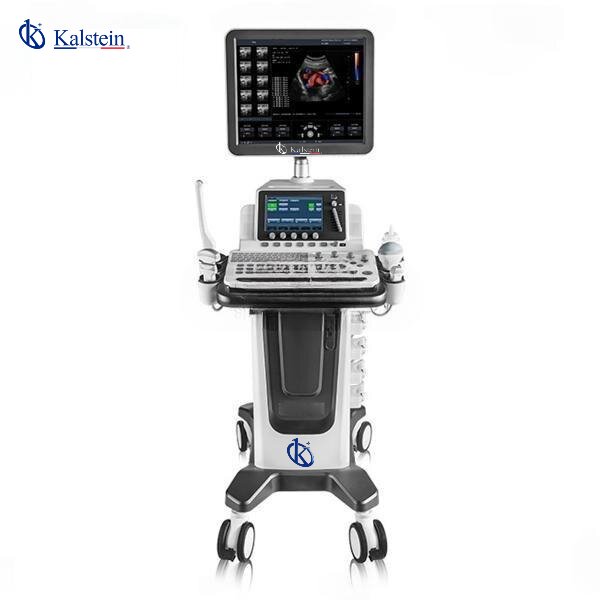
Veterinary medicine has experienced significant advancements in recent years, and one of the most notable is the adoption of Color Doppler technology. Known for its extensive use in human medicine to visualize blood flow in different parts of the body, Color Doppler is revolutionizing the way veterinarians diagnose and treat various conditions in animals.
Innovations in Laboratory Shakers: How Do They Facilitate Research Work?
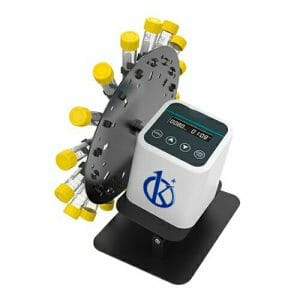
Laboratory shakers are essential devices in any research environment. With the ability to mix, agitate, or circulate fluids with precision and control, these pieces of equipment are indispensable in experiments, tests, and analyses of all kinds. Kalstein, as a leading manufacturer in this field, continues to innovate and offer high-quality models that greatly facilitate research work.
The Importance of TOC Analysis in Industry and Medicine
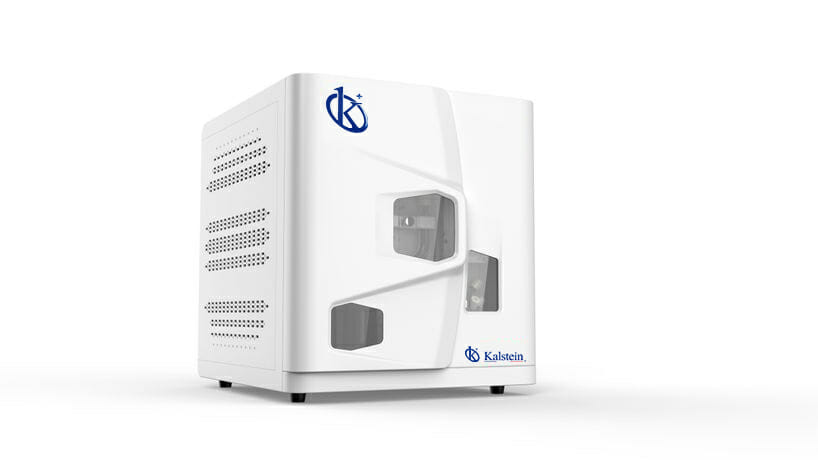
Total Organic Carbon (TOC) Analysis has become a vital tool for industry. Part of this relevance lies in the strict monitoring of water pollution in industrial processes. For this purpose, manufacturers of these devices, like Kalstein, play an essential role. Kalstein offers high-quality instruments at a fair price, ensuring accuracy and durability.
The Spectrocolorimeter: An Essential Tool in Colorimetry
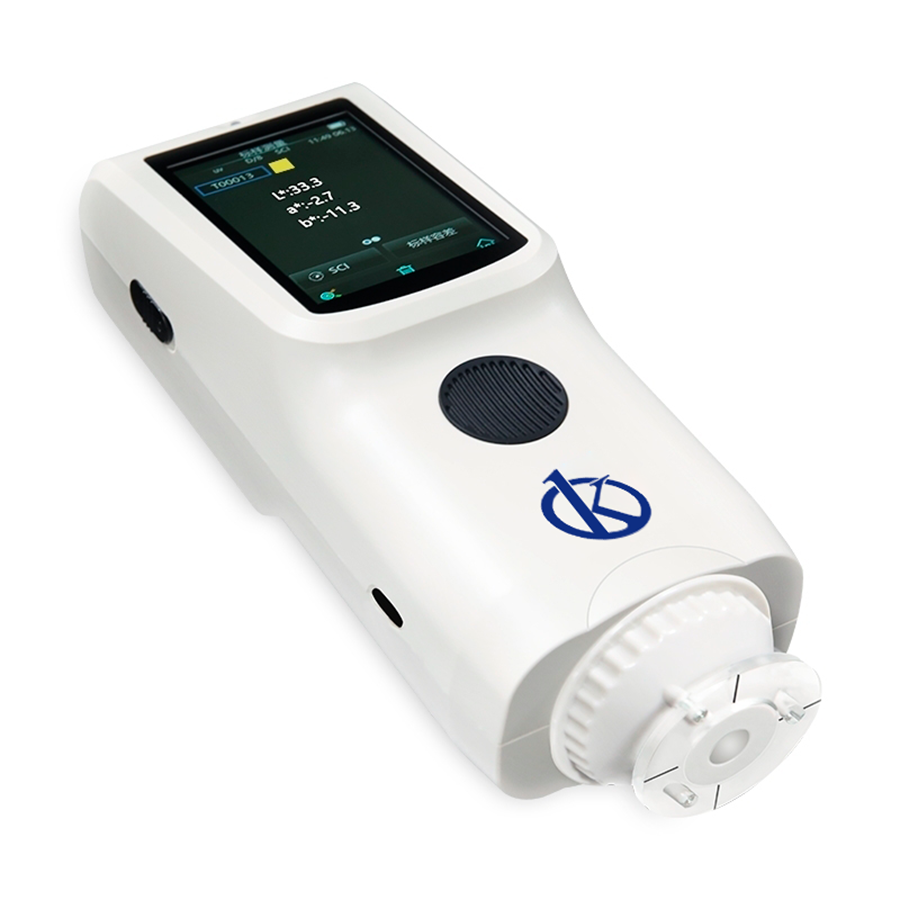
Technological and scientific advances have made work in laboratories and medical centers easier, with devices that provide precision and accuracy in results. A good example of this is the spectrocolorimeter, an essential instrument for colorimetry. As a leading manufacturer in this area, **Kalstein** offers the best quality and price on the market.
The Importance of Ultrasonic Cleaning in the Medical Field
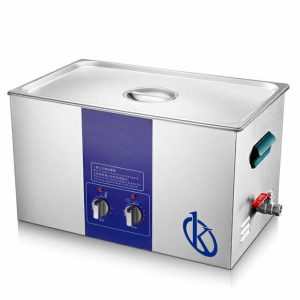
Ultrasonic cleaning has taken on a crucial role in the medical and laboratory area, where precision and hygiene are vital. This hygiene method is based on the production of high-frequency waves that create microscopic bubbles in a cleaning fluid. These bubbles then implode, generating an intense cleaning force on any surface submerged in the liquid.