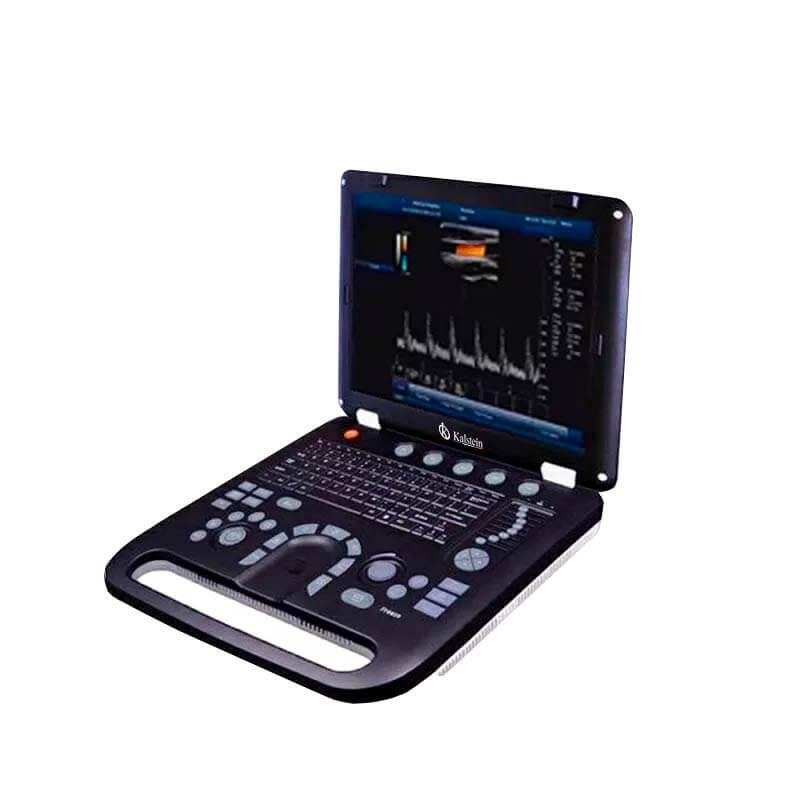
Ultrasonic Color Doppler Diagnostic System: Practical Applications and Techniques 2026
What is it used for in 2026
The Ultrasonic Color Doppler Diagnostic System is a leading-edge tool widely employed in various medical fields including cardiology, obstetrics, urology, and vascular studies. In 2026, its applications have expanded to include enhanced imaging and real-time diagnostics, which are crucial for patient evaluations and treatment planning. This technology allows for detailed visualization of blood flow and tissue movement, enabling healthcare professionals to identify abnormalities, assess organ function, and monitor fetal development.
History and evolution of the technology
The journey of Ultrasonic Color Doppler technology began in the early 1960s with the invention of Doppler ultrasound. Over the decades, advancements in transducer technology, signal processing, and imaging software have significantly improved the accuracy and reliability of these systems. From monochrome displays to high-resolution color images, the evolution has allowed for broader applications across various medical specializations, making it an indispensable tool in diagnostics by 2026.
How to use it step by step
Using an Ultrasonic Color Doppler Diagnostic System involves several key steps:
- Preparation: Ensure the device is calibrated and all necessary transducers are connected. Prepare the patient by explaining the procedure and positioning them appropriately.
- Choosing the Right Transducer: Select the transducer based on the examination required, such as cardiac or vascular imaging.
- Setting Up the Machine: Adjust settings such as frequency and imaging mode according to the diagnostic requirements.
- Conduct the Examination: Apply gel to the skin and position the transducer over the area of interest. Capture images and Doppler waveforms as needed.
- Review and Save Data: Analyze the captured images and measurements, saving them for further review and documentation.
- Post-Procedure Care: Clean the transducer and provide the patient with any necessary aftercare instructions.
Best techniques and protocols
In 2026, the best practices for utilizing Ultrasonic Color Doppler technology include:
- Using high-frequency transducers for superior resolution.
- Maintaining consistent gel application to minimize artifact.
- Employing color Doppler settings to distinguish between arterial and venous flow.
- Utilizing advanced measurement protocols for accurate assessments of blood flow and organ function.
- Regularly updating software and firmware to incorporate new diagnostic features and improve accuracy.
Practical applications by laboratory type
Different laboratory settings utilize Ultrasonic Color Doppler systems for varied purposes:
- Cardiology Labs: Used for non-invasive cardiac evaluations, including blood flow assessments and heart valve inspections.
- Obstetrics Units: Essential for monitoring fetal health and detecting developmental abnormalities.
- Urology Clinics: Aiding in the assessment of renal blood flow and other urological conditions.
- Vascular Laboratories: Important for diagnosing vascular diseases and planning surgical interventions.
Regulations, standards and certifications
All Ultrasonic Color Doppler systems must comply with medical device regulations, including:
- ISO 13485 for quality management systems.
- FDA approval for safety and efficacy.
- DICOM standards for interoperability between imaging devices.
- CE marking for compliance with European health and safety regulations.
Comparison with alternative technologies
Ultrasonic Color Doppler technology stands out against alternative imaging methods such as MRI or CT scans due to its non-invasive nature, cost-effectiveness, and real-time imaging capabilities. While MRI provides detailed anatomical information, it lacks the functional insights gained through Doppler ultrasound, making the latter more suitable for vascular and cardiac assessments.
Comparison of available models
| Model | Best for | Key specs | Recommended use case |
|---|---|---|---|
| YR05148 | General Ultrasound Applications | 15' LED screen, multiple imaging modes, duplex capabilities | Routine check-ups and diagnostic evaluations |
| YR05149 | Mobile Ultrasound Applications | 15' LED screen, 4 transducer ports, USB support | In-field assessments and emergency situations |
| YR05150 | Portable Cardiac and Obstetric Imaging | 15' color screen, battery operation, versatile imaging modes | Cardiac monitoring and obstetric evaluations |
| YR05151 | Advanced Diagnostic Imaging | High-resolution display, advanced connectivity options | Complex diagnostic procedures requiring detailed imaging |
| YR05152 | Comprehensive Cardiac Imaging | 15' LED screen, 4D imaging capabilities | Detailed cardiac evaluations and pregnancy monitoring |
| YR05153 | Compact Ultrasound Solutions | 15' screen, PC-based system with DICOM compatibility | Versatile applications across various healthcare settings |
Common mistakes and how to avoid them
Some common pitfalls with Ultrasonic Color Doppler systems include:
- Insufficient gel application: Ensure adequate gel to prevent artifact in imaging.
- Incorrect transducer selection: Choose the appropriate transducer for the examination required.
- Neglecting calibration: Regularly calibrate the unit to maintain imaging accuracy.
- Ignoring patient positioning: Properly position patients to ensure optimal imaging results.
Maintenance, calibration and good practices 2026
In 2026, maintaining an Ultrasonic Color Doppler system involves:
- Regular cleaning of the transducers and probes to prevent contamination.
- Routine calibration checks to ensure measurement accuracy.
- Software updates for the latest diagnostic protocols and features.
- Following manufacturer guidelines for storage and handling of equipment.
Cost-benefit analysis 2026
Investing in Ultrasonic Color Doppler systems offers significant benefits including:
- Cost-effective diagnostic imaging compared to alternative methods.
- Real-time results that enhance patient care and decision-making.
- Durability and low maintenance requirements make it a long-term investment for health facilities.
Frequently asked questions
What factors should I consider when choosing an Ultrasonic Color Doppler system?
When selecting a system, consider factors such as imaging quality, portability, connectivity options, and the specific medical applications required in your practice.
How often should I calibrate my Ultrasonic Color Doppler system?
Calibration should be performed regularly, typically every six months, or more frequently if the device is used extensively.
Are there any specific training requirements for operating this equipment?
Yes, operators should have appropriate training in ultrasound techniques and knowledge of the specific system functionalities to ensure accurate diagnostics.
What types of transducers are commonly used with Color Doppler systems?
Common transducers include phased array, linear array, and convex array, each suited for different applications such as cardiac or vascular imaging.
Can Ultrasonic Color Doppler systems be used in emergency situations?
Absolutely, many portable models are specifically designed for use in emergency settings, providing quick and reliable assessments.
How do I ensure the longevity of my Ultrasonic Color Doppler equipment?
Regular maintenance, proper cleaning, and adherence to manufacturer guidelines are key to prolonging the lifespan of your equipment.
Where can I find more information or request a quote for these systems?
You can explore further details and request a quote on our dedicated platform.
If you are looking for a fusion of innovation and quality, you have come to the right place. At Kalstein, we offer you the luxury of exploring our exclusive catalog of laboratory equipment. We manufacture every device to the highest standards of excellence. Our intuitive and seamless online purchasing channels are designed for your convenience, securing the most competitive prices. Hesitate no longer — we bring science to life, it is time to become part of our community.