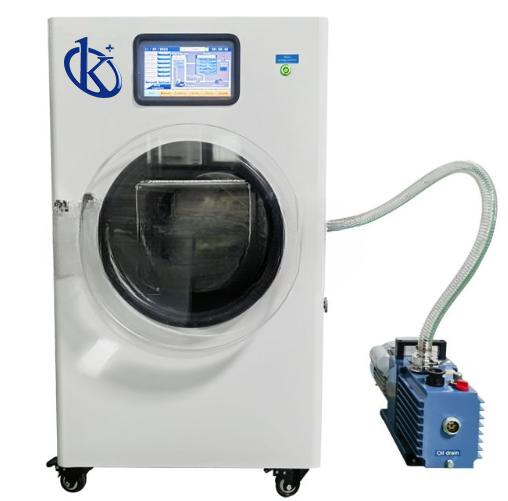
Food Freeze Dryers: Practical Applications and Techniques 2026
Food freeze dryers are essential for preserving food while maintaining its flavor and nutritional value. This guide will cover the practical applications, techniques, and best practices for using food freeze dryers in 2026.
What is it used for in 2026
In 2026, food freeze dryers are primarily used for food preservation, especially in the pharmaceutical and biological research fields. This technology removes moisture from food products through sublimation, ensuring long-term storage while retaining the original flavor, texture, and nutritional content. Industries such as catering, pharmaceuticals, and agricultural research utilize freeze dryers to extend the shelf life of products.
History and evolution of the technology
The freeze-drying process began in the early 20th century, initially used for preserving blood plasma during World War II. Over time, advancements in technology have made freeze dryers more efficient, compact, and user-friendly. The incorporation of touch-screen interfaces and automated processes has revolutionized the way laboratories and food industries operate, making freeze-drying accessible to a broader range of users.
How to use it step by step
Using a food freeze dryer involves several steps:
- Preparation: Clean the equipment and ensure all components are functional.
- Load the Food: Place food items evenly on the trays, ensuring adequate spacing for airflow.
- Set the Parameters: Input the desired freeze-drying cycle settings, including temperature and vacuum levels.
- Start the Cycle: Begin the freeze-drying process by starting the machine.
- Monitor Progress: Check the progress through real-time data provided by the machine's interface.
- Complete the Process: Once the cycle is finished, remove the food and store it in airtight containers.
Best techniques and protocols
To maximize the efficiency of food freeze dryers, follow these best practices:
- Ensure even loading of food on trays to promote uniform drying.
- Pre-freeze food items when possible to reduce the overall freeze-drying time.
- Regularly calibrate the equipment for accurate temperature and pressure readings.
- Document each cycle for future reference and quality control.
Practical applications by laboratory type
Different laboratories utilize food freeze dryers for various applications:
- Food Laboratories: For preserving fruits, vegetables, and prepared meals.
- Pharmaceutical Laboratories: For stabilizing vaccines and sensitive medications.
- Biological Research Labs: For the preservation of biological samples without compromising integrity.
Regulations, standards and certifications
Food freeze dryers in laboratories must comply with regulations set by organizations such as the FDA and ISO. It is crucial to ensure that the equipment meets safety and quality standards for food preservation, particularly in pharmaceutical applications.
Comparison with alternative technologies
Alternative methods for food preservation, such as dehydration and canning, differ significantly from freeze-drying:
- Dehydration: Generally removes moisture but can alter the texture and taste of food.
- Canning: Involves heat treatment, which can reduce the nutritional value of some foods.
Freeze-drying stands out for its ability to preserve flavor and nutrition while allowing long-term storage without refrigeration.
Comparison of available models
| Model | Best for | Key specs | Recommended use case |
|---|---|---|---|
| YR05984 | General food preservation | 700*860*930mm, 1550W, 4 trays | Small to medium laboratories requiring efficient food drying. |
| YR05983 | Home use for food | 400*550*700mm, 1100W, 3 trays | Ideal for small-scale food preservation at home. |
| YR05985 | Fruits and vegetables | 700*800*1300mm, 2000W, 4 trays | Perfect for preserving bulk fruits and vegetables. |
| YR06612 | Large scale production | 7000*8500*3200mm, 150kW, 9+1 shelves | Best for large industries needing to process significant volumes. |
Common mistakes and how to avoid them
Here are some common mistakes made during the freeze-drying process and how to avoid them:
- Poor loading: Always ensure trays are evenly loaded to prevent uneven drying.
- Incorrect settings: Double-check temperature and vacuum settings before starting.
- Neglecting maintenance: Regularly clean and maintain the machine to prevent operational issues.
Maintenance, calibration and good practices 2026
Regular maintenance is crucial for the performance of food freeze dryers:
- Calibrate instruments monthly for accurate readings.
- Clean the freeze dryer regularly to prevent contamination.
- Inspect seals and gaskets to maintain vacuum integrity.
Cost-benefit analysis 2026
When considering the purchase of a food freeze dryer, evaluate the following:
- Initial investment versus long-term savings in food waste reduction.
- Potential revenue from selling preserved products.
- Operational costs including energy and maintenance.
In many cases, the benefits of investing in a freeze dryer outweigh the costs, particularly in commercial settings.
Frequently asked questions
What factors should I consider when choosing a food freeze dryer?
Consider the capacity you need, the types of food you will be processing, the space available for the machine, and the budget you have set for this investment.
How do I properly clean a food freeze dryer?
Follow the manufacturer's instructions for cleaning, which typically involves wiping down surfaces with disinfectant and ensuring that no residues remain on the trays or in the chamber.
Can I freeze-dry liquids or soups?
Generally, it is recommended to freeze-dry only solid foods. However, certain types of soups can be freeze-dried if they have low moisture content and are pre-frozen before processing.
What is the shelf life of freeze-dried food?
When stored properly in airtight containers, freeze-dried food can last for several years, often exceeding 25 years, without losing flavor or nutritional value.
How do I know when the freeze-drying process is complete?
Most modern freeze dryers have indicators or sensors that let you know when the process is complete based on the temperature and pressure conditions.
Is it necessary to pre-freeze my food before freeze-drying?
While it's not strictly necessary, pre-freezing food can significantly speed up the drying process and improve the quality of the final product.
How can I ensure the best quality of freeze-dried products?
Use fresh, high-quality ingredients, ensure proper loading of trays, monitor the drying cycle closely, and store the final products in a cool, dark place.
If you are looking for a fusion of innovation and quality, you have come to the right place. At Kalstein, we offer you the luxury of exploring our exclusive catalog of laboratory equipment. We manufacture every device to the highest standards of excellence. Our intuitive and seamless online purchasing channels are designed for your convenience, securing the most competitive prices. Hesitate no longer — we bring science to life, it is time to become part of our community.