
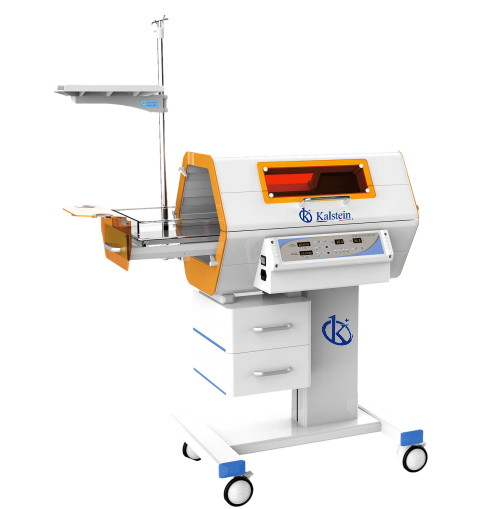
In the realm of neonatal care, precision and technological advancement are paramount. With newborns requiring specialized attention, medical professionals often seek equipment that not only ensures efficacy but also brings peace of mind. Two standout products in the field of infant jaundice management are the Infant Phototherapy Unit YR06223 by Kalstein and the Bilichek Transcutaneous Jaundice Meter by Philips. Each offers unique features designed to tackle neonatal jaundice but differentiates in how they address this common condition.
The Infant Phototherapy Unit YR06223 from Kalstein is a forward-thinking solution tailored for hospitals and pediatric clinics aiming to reduce high levels of bilirubin in newborns. This device utilizes advanced phototherapy technology to effectively diminish jaundice, providing comprehensive care with adjustable settings and a user-friendly interface. Meanwhile, the Bilichek Transcutaneous Jaundice Meter by Philips serves as a precise meter that allows non-invasive bilirubin measurement, offering a unique approach by assessing jaundice transcutaneously without drawing blood, which is particularly advantageous for frequent monitoring with minimal distress to the infant.
| Feature | Kalstein Infant Phototherapy Unit YR06223 | Philips Bilichek Transcutaneous Jaundice Meter |
|---|---|---|
| Type | Phototherapy unit | Jaundice meter |
| Bilirubin Detection | Reduces bilirubin through light exposure | Measures bilirubin levels non-invasively |
| Application | Clinics, hospitals | Clinics, hospitals |
| Adjustability | Adjustable therapy settings | Consistent readings with no skin piercing |
| Price Range | Middle to high range | High range |
How They Work
The Infant Phototherapy Unit YR06223 operates by emitting specific wavelengths of light that penetrate the infant’s skin and convert bilirubin into a water-soluble form that can be excreted without further need for liver processing. This method is clinically recognized for its effectiveness in lowering bilirubin levels and has been adopted globally in neonatal units.
On the other hand, the Bilichek Transcutaneous Jaundice Meter works by shining a light on the newborn’s skin and measuring the intensity of wavelengths that are reflected back. These measurements are used to calculate the bilirubin levels, offering a non-intrusive method for determining jaundice severity.
Purpose
Both devices serve the critical purpose of managing neonatal jaundice. The Kalstein phototherapy unit is primarily focused on treatment by actively reducing bilirubin levels through therapeutic light exposure. In contrast, the Philips device is primarily diagnostic, aimed at accurately measuring bilirubin levels to monitor the progress of jaundice in infants.
Types
The Infant Phototherapy Unit YR06223 is a specialized phototherapy device categorized largely by its high-intensity LED lights optimized for effective jaundice reduction.
The Bilichek Transcutaneous Jaundice Meter falls under diagnostic equipment, distinguished by its capability to provide non-invasive, instantaneous bilirubin measurements using transcutaneous technology.
Market Price
When considering the market, the Infant Phototherapy Unit YR06223 by Kalstein is positioned in the middle to high price range, reflecting its comprehensive capabilities and technological sophistication. In contrast, the Bilichek Transcutaneous Jaundice Meter by Philips occupies a higher price bracket, largely due to its cutting-edge measurement technology and the convenience it provides for non-invasive testing.
Frequently Asked Questions
How effective is phototherapy for treating neonatal jaundice?
Phototherapy is highly effective in treating neonatal jaundice, as it helps in breaking down bilirubin in the infant’s body, thus facilitating its excretion.
Is the Bilichek Jaundice Meter safe for newborns?
Yes, the Bilichek Jaundice Meter is designed to be safe and non-invasive, providing a painless method to assess bilirubin levels accurately.
Can parents operate these devices at home?
These medical devices are designed for clinical environments and should be operated by trained healthcare professionals to ensure safety and efficacy.
Advantages and Disadvantages
The Infant Phototherapy Unit YR06223 by Kalstein comes with several advantages, such as customizable light settings and a robust design suited for different clinical scenarios, making it a top choice among healthcare facilities worldwide. However, it requires dedicated space and setup time.
Philips Bilichek’s main advantage is the quick, pain-free bilirubin level readings, although it is generally more expensive and requires frequent recalibration and specific care to maintain measurement accuracy.
Use in the Field
In practical scenarios, the Infant Phototherapy Unit YR06223 is predominantly used in neonatal wards where it can provide uninterrupted light therapy to multiple infants as needed. Meanwhile, the Bilichek Transcutaneous Jaundice Meter is often utilized for routine screenings or follow-up checks in clinical settings to monitor bilirubin levels without discomfort to the patient.
Recommendations
To maximize the efficacy of phototherapy, it is crucial to follow manufacturer instructions regarding light exposure duration and frequency of use. For optimal use of the Bilichek meter, regular technical checks and recalibrations are vital to ensure accurate readings.
If you’re searching for a fusion of innovation and quality, you’ve come to the right place. At Kalstein, we offer you the luxury of exploring our exclusive laboratory equipment catalog. We manufacture each piece of equipment with a level of excellence. Our intuitive and agile online shopping channels are designed for your convenience, ensuring the friendliest prices. Don’t hesitate any longer; we bring science to life, and it’s time to become part of our community. https://kalstein.ae/product/infant-phototherapy-unit-yr06223/