
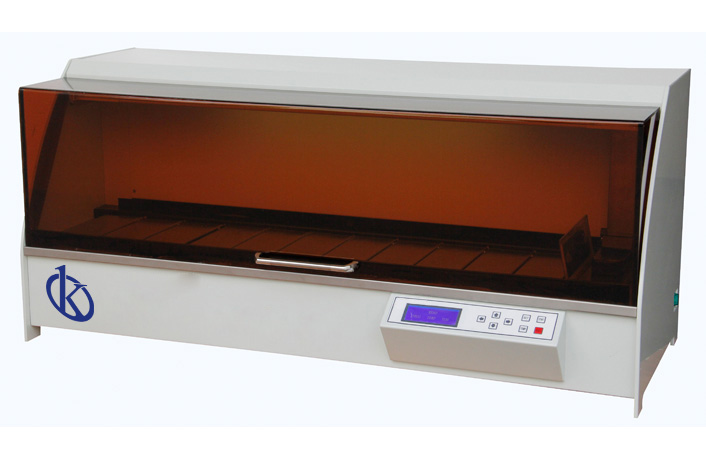
In the realm of histological sample preparation, the choice of an automated tissue processor can vastly influence the efficiency and results of laboratory procedures. This article delves into a comparison between two prominent products in the market: the Automated Tissue Processor YR428 by Kalstein and the Leica TP1020 by Leica Microsystems.
The Automated Tissue Processor YR428 is a hallmark of innovation and precision in laboratory equipment. It boasts an advanced design tailored for efficiency and reliability, making it a preferred choice for laboratories aiming to enhance their histological processing capabilities. On the other hand, the Leica TP1020 is a renowned model in the industry, known for its robust construction and dependable performance. Both products offer unique features that cater to the meticulous demands of tissue processing.
| Feature | Automated Tissue Processor YR428 | Leica TP1020 |
|---|---|---|
| Brand | Kalstein | Leica Microsystems |
| Model Number | YR428 | TP1020 |
| Processing Capacity | Large volume handling capability | Standard processing capacity |
| Technology | Advanced automated technology | Classic processing mechanisms |
| Price Range | Competitive pricing | Higher end of the market |
How They Work
The Automated Tissue Processor YR428 utilizes a cutting-edge automated system that minimizes manual intervention, enhances productivity, and reduces potential human errors. It leverages a series of precise pumping and timing mechanisms that deliver consistent and reliable results.
Meanwhile, the Leica TP1020 follows a more traditional approach to tissue processing, requiring skilled operators to manage and monitor the process to ensure optimal outcomes. While effective, this can lead to increased labor and time costs over time.
Purpose
Both the YR428 and the TP1020 are designed to facilitate the efficient processing of histological tissues. Their primary purpose is to prepare tissues adequately for microscopic examination by dehydrating, clearing, and infiltrating them with a preserving agent.
Types
The Automated Tissue Processor YR428 is available in various configurations to meet specific laboratory needs, from high throughput to routine sample processing, ensuring that labs can choose a solution that best fits their workload and requirements.
The Leica TP1020, while highly respected for its durability, offers fewer variations, catering predominantly to standard laboratory operations with consistent sample types.
Market Price
The tissue processor market presents a broad price range, often influenced by features, brand reputation, and the technological sophistication of the models. The YR428, with its competitive pricing, provides excellent value for money for laboratories looking to invest in quality without exorbitant costs. In contrast, the TP1020 positions itself at a higher price point, which might not be suitable for all budgets.
Frequently Asked Questions
What is the processing capacity of the YR428?
The YR428 can handle large volumes of samples efficiently, making it suitable for high throughput laboratories.
Is the YR428 energy efficient?
Yes, the automated mechanisms in the YR428 are designed to conserve energy by optimizing each processing cycle.
How user-friendly is the TP1020 compared to modern processors?
The TP1020 is user-friendly but may require more manual oversight compared to the highly automated YR428.
Advantages and Disadvantages
The YR428 boasts several advantages, including its advanced automation, high capacity processing, and competitive pricing. These features offer significant savings in both time and operational costs. Some perceive its high automation level as potentially requiring a learning curve for novice users.
The TP1020, while robust and reliable, might not match the automation and efficiency of the YR428. It thrives in environments where traditional processing is preferred, though it may incur higher labor costs due to the manual elements involved.
Field Use
In practical applications, the YR428 proves invaluable for high-volume, fast-paced clinical settings where time is of essence. Its efficiency allows laboratories to process more samples in less time, maintaining high accuracy levels.
The TP1020 is suitable for settings where steady processing is needed rather than speed. It supports tasks requiring meticulous attention although at a possibly slower rate compared to its modern counterparts.
Recommendations
To maximize the utility of the YR428, it is recommended to undergo the manufacturer’s training program which provides users with the knowledge to leverage its full potential effectively. Regular maintenance as per the user manual ensures optimal performance and longevity.
For the TP1020, routine checks and calibrations are advised to avoid disruptions due to manual interventions. Keeping technicians well-trained in handling these standard processors can greatly impact productivity as well as output quality.
If you are looking for a fusion of innovation and quality, you’ve come to the right place. At Kalstein, we offer the luxury of exploring our exclusive catalog of laboratory equipment. Our equipment is manufactured with a high level of excellence. Our intuitive and agile online purchasing channels are designed for your convenience, ensuring the most friendly prices. Don’t hesitate any longer, we bring science to life, it’s time to become part of our community. https://kalstein.ae/product/automated-tissue-processor-yr428/.